How to Clean Dirty Book Edges: A Step-by-Step Restoration Guide
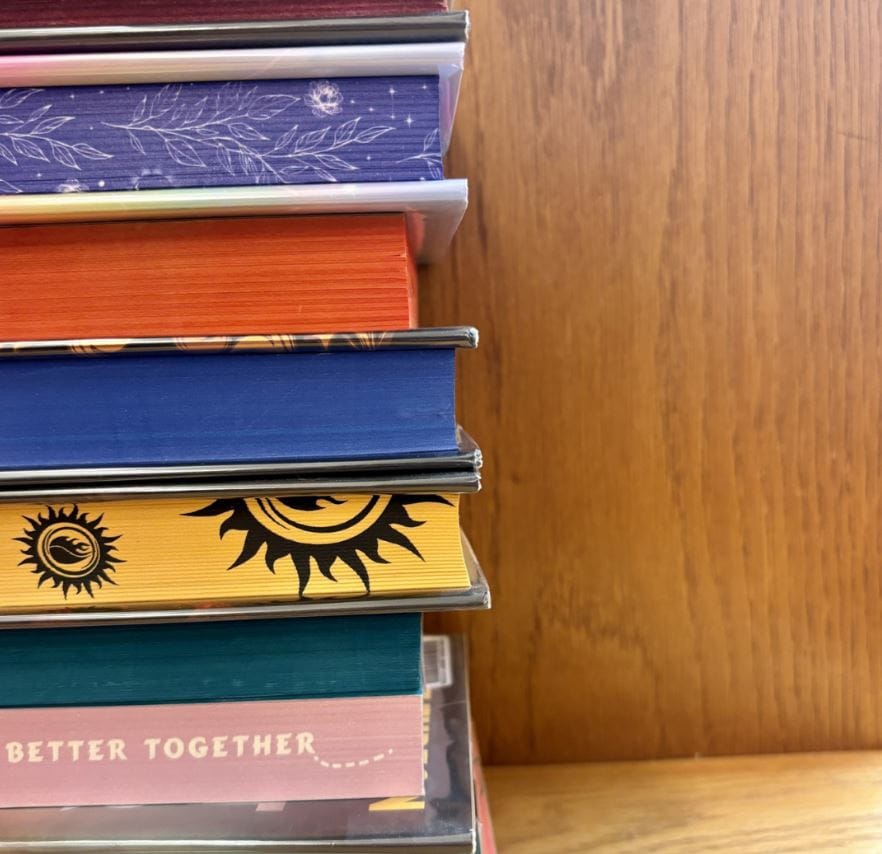
There’s a special kind of magic in a used book. Each crease and smudge tells a story. However, when the story is accompanied by grimy, discolored page edges that transfer dirt to your hands, it can detract from the reading experience. Fear not, bibliophiles! Cleaning a book’s edges is a delicate but achievable task that can breathe new life into your beloved volumes.
This comprehensive guide will walk you through the safest methods to clean dirty book edges, preserving your books for years to come.
Why Do Book Edges Get Dirty?
Before diving into cleaning, it’s helpful to understand the enemy. The three common types of dirt on book edges are:
- Foxing: Red-brown spots caused by mold and metal impurities in the paper.
- General Grime: A combination of dust, skin oils, and environmental pollutants that create a gray or black film.
- Water Staining: Wavy, darkened lines or spots from moisture exposure.
Essential Tools & Materials: Your Book Cleaning Kit
Gather these supplies before you begin. Using the right tools is half the battle.
- Soft-Bristled Brush: A clean, soft paintbrush or makeup brush is perfect for loose dust.
- White Eraser: A white vinyl eraser is crucial as it’s non-abrasive and doesn’t leave colored streaks.
- Absorbent Paper: Blank newsprint or plain paper towels.
- Microfiber Cloths: For gentle wiping and polishing.
- Weights or a Book Press: Heavy, clean objects to keep the book firmly closed.
- Optional – Sandpaper: Very fine-grit (e.g., 400+ grit) for advanced, stubborn stains.
The Step-by-Step Cleaning Process: From Basic to Advanced
A Word of Caution: Always test any cleaning method on an inconspicuous area first, like the inside of the back cover or the top edge where it’s less visible. Patience is key.
Method 1: The Dry Clean (For Dust & Light Grime)
This is the safest and first method you should always attempt.
- Stabilize the Book: Place the book on a stable surface and use weights to hold the covers and textblock firmly in place. This prevents dust from falling into the pages.
- Brush Away Loose Dust: Using your soft-bristled brush, gently sweep the dust off the edges. Always brush away from the spine (from the center of the book outwards) to avoid pushing dirt into the gutter.
- Use the Eraser Technique: Take your white vinyl eraser and make gentle, short strokes along the dirty edge. Don’t press too hard. The goal is to abrade the grime away lightly.
- Brush Again: After erasing, use the soft brush to whisk away all the eraser crumbs and dislodged dirt.
Expert Insight: “The most common mistake people make is using too much force. With book repair, a gentle touch is always more effective and safer than aggressive scrubbing. Let the tools do the work.” – A professional book conservator’s advice.
Method 2: Addressing Stubborn Stains & Discoloration
If the dry method isn’t enough, you can proceed with caution.
- Follow Steps 1 & 2 from the Dry Clean method.
- The Sanding Technique (Use Sparingly): This is for advanced users only. Take a sheet of very fine-grit sandpaper (400-grit or higher). Holding it flat against the book edge, make a single, very light pass. Check your progress. The goal is to remove a microscopic layer of paper, taking the stain with it. Over-sanding will damage the book.
- Clean Up: Thoroughly brush away all sanding dust.
Comparison of Cleaning Methods
| Method | Best For | Tools Needed | Risk Level | Effectiveness |
|---|---|---|---|---|
| Dry Brushing | Loose dust, recent surface dirt | Soft-bristled brush | Very Low | Good for maintenance |
| Eraser Cleaning | Light to moderate grime, pencil marks | White vinyl eraser, brush | Low | Excellent for common dirt |
| Fine Sanding | Stubborn stains, foxing, darkened edges | 400+ grit sandpaper, brush | High (can damage paper) | High, but irreversible |
What NOT to Do: Avoiding Catastrophe
Knowing what to avoid is just as important as knowing what to do.
- NEVER use water or liquid cleaners. They will cause warping, spread stains, and promote mold growth.
- AVOID colored or abrasive erasers. They can leave streaks and grind pigment into the paper fibers.
- DON’T use household cleaning sprays. They contain chemicals that can degrade paper and break down adhesives in the spine.
- NEVER attempt these methods on valuable antiquarian books or books with fragile, brittle pages. For these, consult a professional book conservator.
Final Thoughts: Preservation is Key
Cleaning the edges of a book is a rewarding act of preservation. It not only makes the book more pleasant to handle but also helps protect it from future deterioration. By starting with the gentlest method and proceeding with care, you can successfully restore the clean, crisp look of your books and ensure their stories can be enjoyed for many more chapters to come.