Will Bleach Kill Carpenter Ants? The Unvarnished Truth
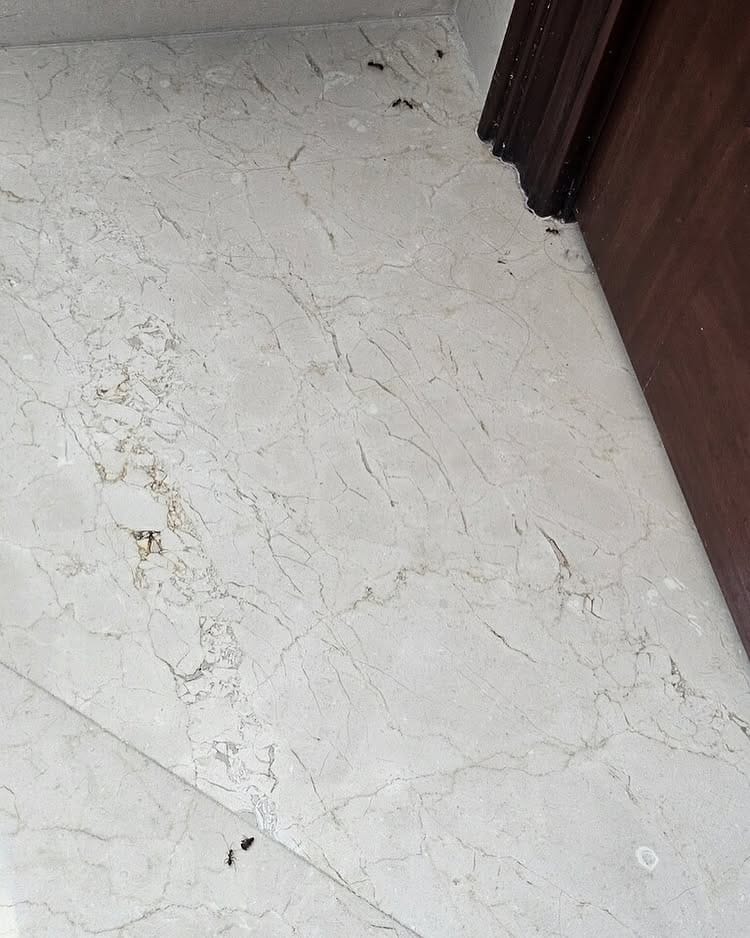
Finding a trail of large, black ants in your home can be alarming, especially if they’re carpenter ants. Your first instinct might be to reach for a powerful household cleaner like bleach. But does this common kitchen staple actually solve the problem?
The short answer is yes, direct contact with bleach can kill carpenter ants on the spot. However, using bleach as a carpenter ant treatment is like using a band-aid on a broken leg—it might cover a small symptom but does nothing to address the underlying damage.
This article will delve into the science of why bleach falls short, compare it with other methods, and provide a strategic plan to effectively eliminate a carpenter ant colony.
How Does Bleach Affect Carpenter Ants?
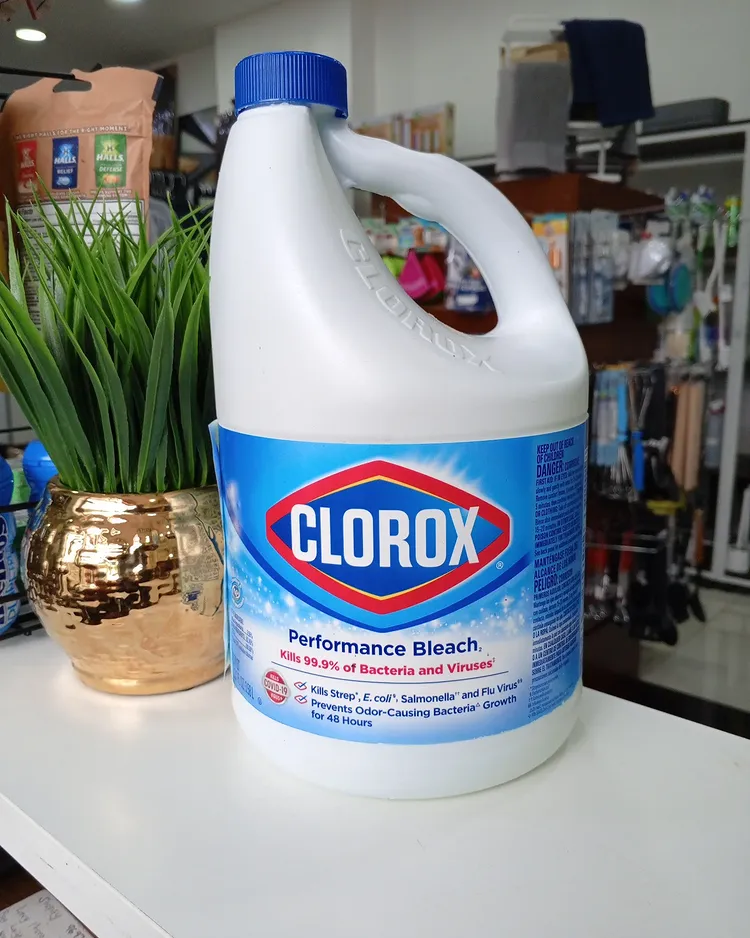
Bleach is a corrosive chemical (sodium hypochlorite) that acts as a powerful oxidizing agent. When sprayed directly onto an ant, it damages the exoskeleton and disrupts vital functions, leading to a quick death. This is what gives people the initial impression that it’s an effective pesticide.
However, this effect is purely superficial. Bleach lacks any residual or transferable toxicity. This means:
- It only kills the ants you directly hit.
- It leaves no lasting poison on surfaces for other ants to walk through and carry back to the nest.
- It does not act as a bait or attractant.
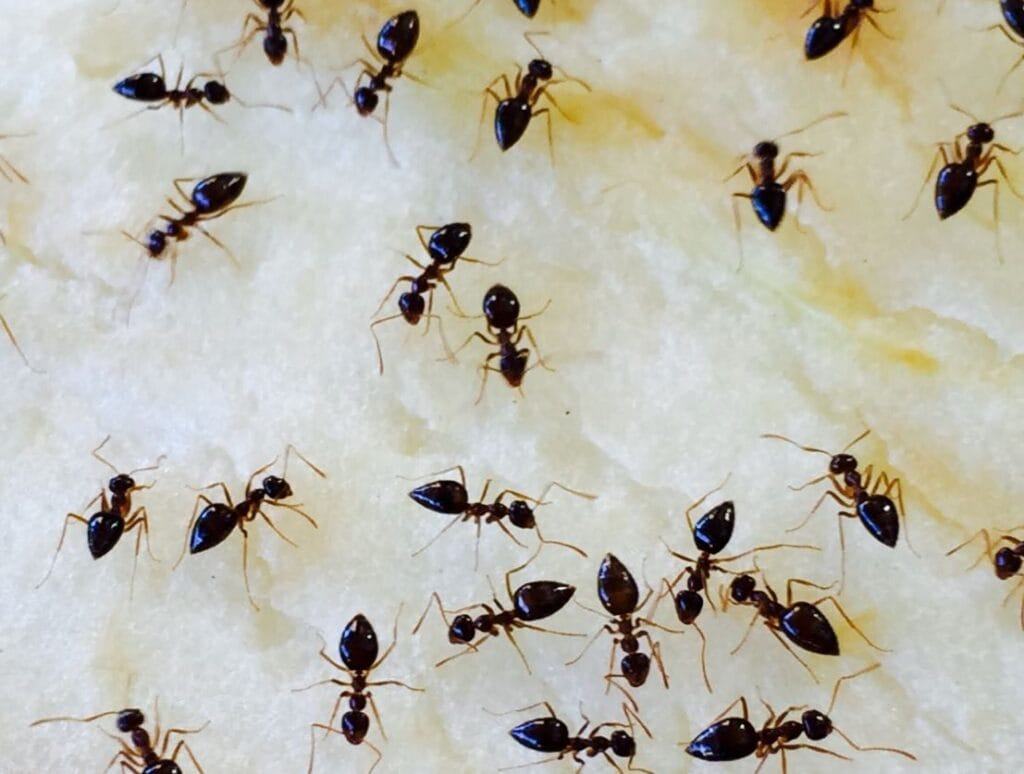
As entomologist Dr. Eleanor Reed explains, “Bleach is an ineffective insecticide for social insects like ants. You might win a battle by killing a few foragers, but you’ll lose the war because the hidden colony, including the egg-laying queen, remains completely unaffected and will continue to produce more workers.”
The Major Limitations of Using Bleach
Relying on bleach to handle a carpenter ant infestation comes with significant drawbacks.
- Fails to Eliminate the Colony: The core of a carpenter ant problem is the central nest, often hidden inside a wall void, attic, or damp wood. Bleach cannot reach this nest. Killing a few scout ants does nothing to stop the thousands of others, including the queen, that are safe inside.
- No Residual Action: Unlike professional insecticides, bleach quickly evaporates and breaks down. Once the surface is dry, it poses no further threat to ants, allowing them to travel the same path minutes later.
- Damages Wood and Surfaces: Bleach is corrosive. Spraying it on wood can break down the fibers, strip finishes, and cause discoloration. Ironically, moisture-damaged wood is exactly what attracts carpenter ants in the first place, so you could be making your home more appealing to future colonies.
- Health and Safety Risks: Bleach fumes are hazardous to inhale, especially in enclosed spaces. It can also cause skin and eye irritation and is highly dangerous if mixed with other common cleaners like ammonia.
Bleach vs. Professional Ant Control Methods
The table below clearly illustrates why bleach is not a suitable stand-alone solution compared to proven ant control methods.
| Feature | Bleach | Ant Baits (Gels/Granules) | Insecticide Dusts | Borate Wood Treatments |
|---|---|---|---|---|
| Kills on Contact? | Yes | No (Delayed) | Yes | No |
| Eliminates Hidden Colony? | No | Yes (Primary Method) | Yes (Secondary Method) | Yes (Preventative) |
| Residual Action? | No | Yes (as bait) | Yes (Long-lasting) | Yes (Very Long-lasting) |
| Targets the Queen? | No | Yes | Possible | Yes |
| Safe for Wood? | No (Corrosive) | Yes | Yes | Yes (Preserves wood) |
| Primary Function | Disinfectant | Colony Elimination | Nest Elimination & Barrier | Prevention & Colony Elimination |
As you can see, professional methods are designed around the biology and social structure of ants, specifically to target the entire colony, not just individual foragers.
A Better Strategy: How to Actually Get Rid of Carpenter Ants
Instead of reaching for the bleach bottle, follow this integrated pest management (IPM) approach.
Step 1: Locate the Nest
Carpenter ants need moisture. Look for nests near water-damaged wood, windows, door frames, roofs, and crawl spaces. A key sign is frass—a pile of sawdust-like material (mixed with insect parts) that the ants push out of their galleries.
Step 2: Use Targeted, Effective Treatments
- Ant Baits: This is the most effective DIY method. Forager ants are attracted to the bait, consume it, and carry the slow-acting poison back to the nest to share with the queen and larvae, eventually eradicating the entire colony.
- Insecticide Dusts: Products containing diatomaceous earth or boric acid can be puffed into wall voids and nest openings. The dust clings to the ants’ bodies and is ingested during grooming.
- Direct Nest Treatment: If you can physically locate the nest, applying a targeted insecticide spray or dust directly into the cavity can be highly effective.
Step 3: Prevent Future Infestations
- Eliminate Moisture: Fix leaky pipes, ensure proper drainage, and improve ventilation in crawl spaces and attics.
- Remove Food Sources: Keep kitchen surfaces clean, store food in airtight containers, and manage outdoor trash.
- Seal Entry Points: Caulk cracks and crevices in the foundation and around utility lines where ants can enter.
- Store Firewood Properly: Keep firewood piles away from your home’s foundation and elevate them off the ground.
The Final Verdict
So, will bleach kill carpenter ants? Yes, but only on direct contact, making it a woefully inadequate solution for a full-blown infestation.
While it may be tempting for a quick fix, bleach does nothing to protect your home from the structural damage a carpenter ant colony can cause. For the sake of your home’s integrity, invest in proven solutions like ant baits and professional pest control services. These methods are scientifically formulated to not just kill the ants you see, but to destroy the colony you don’t.