Will Clorox Kill Poison Ivy? The Surprising Truth and Safer Alternatives

Dealing with poison ivy (Toxicodendron radicans) in your yard can be a nerve-wracking experience. This notorious plant, with its infamous “leaves of three,” contains an oily resin called urushiol that causes an intensely itchy rash for most people. In the quest for a quick solution, many homeowners reach for a powerful chemical already under their sink: Clorox bleach.
But is dousing poison ivy in Clorox a smart, effective solution, or a dangerous garden myth? This article separates fact from fiction and provides a clear, safe roadmap for dealing with this pesky plant.
The Short Answer: Yes, But You Shouldn’t
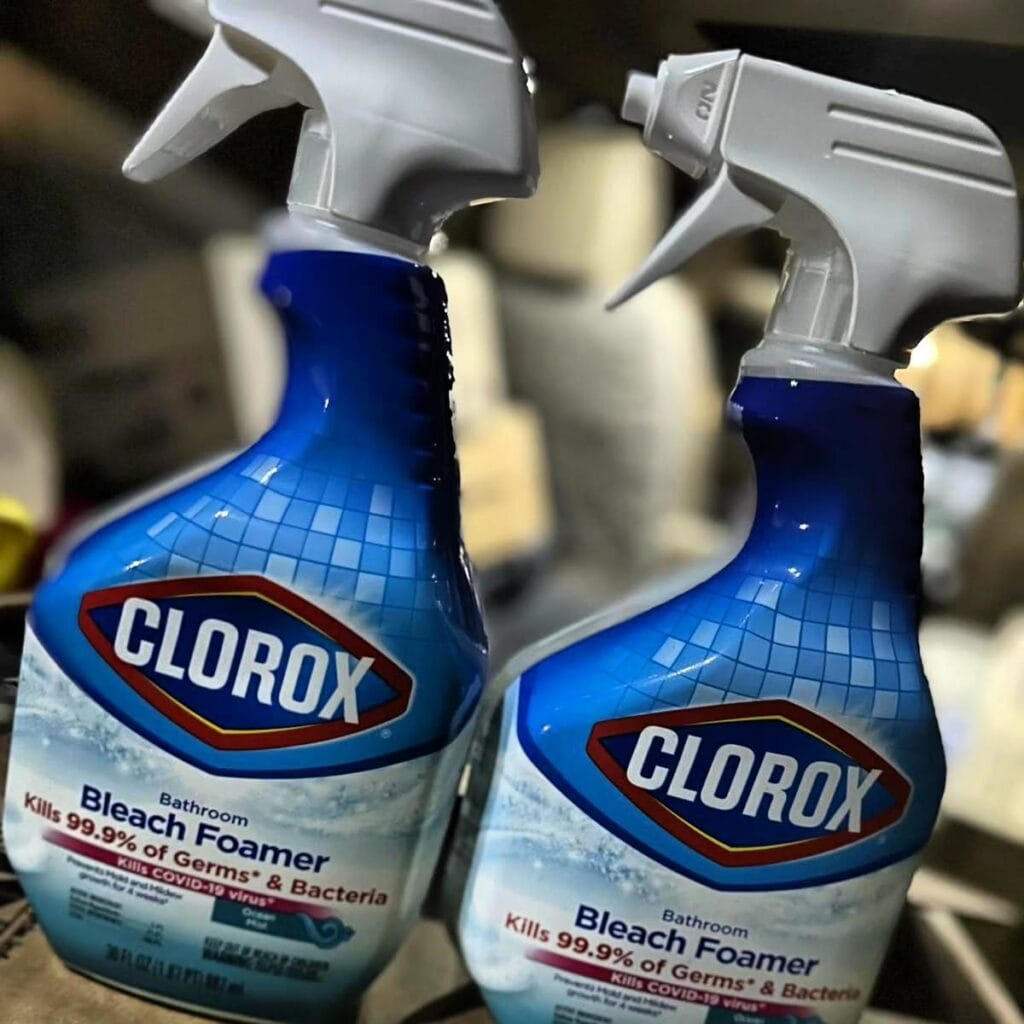
Yes, a strong solution of Clorox bleach can appear to kill poison ivy. The corrosive nature of bleach will desiccate the leaves and stems, causing them to wilt, turn brown, and die back quickly. It acts as a contact herbicide, burning the foliage it touches.
However, this “success” is superficial and comes with significant risks that make it an ill-advised method. Using Clorox to kill poison ivy is not recommended by horticulturists or safety experts.
Why Using Clorox Bleach is a Bad Idea
While the sight of a withered poison ivy vine might be satisfying, using bleach creates more problems than it solves.
1. It Doesn’t Kill the Roots
This is the most critical point. Bleach is a non-selective contact killer. It only destroys the plant tissue it directly contacts. The extensive root system (rhizomes) of poison ivy remains protected underground. A plant with a healthy root system will simply use its stored energy to send up new, vigorous shoots, often within just a few weeks.
Expert Insight: “Bleach might burn the leaves, giving you a false sense of security, but it’s a cosmetic fix. The plant’s survival mechanism is in the roots. Without targeting those, you’re just pruning with chemicals.” – Horticulture Specialist
2. It Harms Your Soil Ecosystem
Bleach is a biocide. When poured onto soil, it doesn’t just target poison ivy; it indiscriminately kills beneficial bacteria, fungi, earthworms, and other microorganisms crucial for healthy soil. This can leave your soil sterile and unable to support other plants you might want to grow in that area later.
3. It Poses Serious Health and Safety Risks
- Dangerous Fumes: Mixing or spraying bleach, especially on a sunny day, can release harmful chlorine gas, which is dangerous to inhale.
- Skin and Eye Damage: Concentrated bleach is highly corrosive and can cause severe chemical burns to your skin and eyes. This risk is compounded when you’re working near a plant that already causes a rash.
- Environmental Contamination: Bleach runoff can contaminate groundwater and harm nearby desirable plants.
4. It Doesn’t Neutralize Urushiol Oil
The bleach does nothing to break down the urushiol oil on the plant’s surface. The dead, brown leaves and stems remain just as toxic and capable of causing a rash for up to five years. Handling the dead vines during cleanup is still extremely risky.
Safer and More Effective Methods for Eradicating Poison Ivy
For a permanent solution, you need methods that target the entire plant, especially the roots. Here are the recommended approaches:
- Manual Removal (With Extreme Caution): For small patches, carefully dig out the entire plant, including all roots. Wear long sleeves, pants, gloves, and eye protection. Dispose of the plant material in a sealed trash bag—do not compost or burn it.
- Commercial Herbicides: Look for products containing glyphosate (e.g., Roundup) or triclopyr (e.g., Ortho Poison Ivy Killer). These are systemic herbicides, meaning the plant absorbs them and transports them to the roots, ensuring a complete kill.
- Natural/Organic Alternatives: While often requiring multiple applications, you can use a strong vinegar solution (horticultural vinegar, 20-30% acetic acid), a concentrated salt solution, or boiling water. These have similar contact-kill limitations as bleach but are less harmful to the soil’s long-term health.
Comparison Table: Clorox vs. Recommended Methods
| Method | How It Works | Kills the Roots? | Impact on Soil | Health & Safety Risks | Overall Effectiveness |
|---|---|---|---|---|---|
| Clorox Bleach | Contact killer; burns foliage | No | High – Sterilizes soil | High – Fumes, chemical burns | Low – Temporary, plant regrows |
| Systemic Herbicide | Systemic; absorbed into roots | Yes | Low when used as directed | Moderate – Follow label instructions | High – Permanent eradication |
| Manual Removal | Physical removal of plant | Yes, if done thoroughly | None | Moderate – Risk of urushiol exposure | High – Immediate and permanent |
| Boiling Water | Contact killer; scalds plant | No | Low – Can harm soil life briefly | High – Risk of burns from water | Low – Temporary, plant regrows |
The Final Verdict
While Clorox bleach will kill the visible parts of poison ivy, it is an ineffective and hazardous control method. It fails to address the root system, damages your soil ecosystem, and poses serious health risks—all while leaving behind toxic, dead plant matter.
For a truly effective and lasting solution, opt for a targeted systemic herbicide or careful manual removal. These methods require a bit more patience but will save you time, protect your health, and ensure the poison ivy doesn’t make an unwelcome comeback in your garden.