Insecticidal Soap for Woolly Aphids: Expert Advice for a Healthy Garden

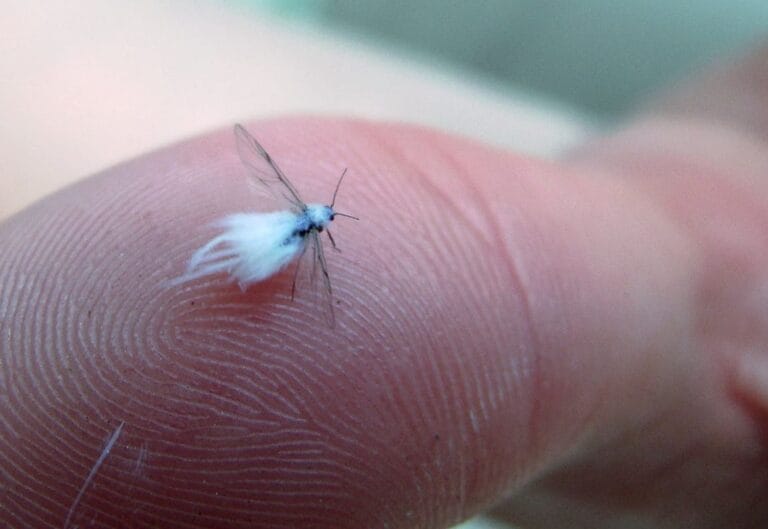
Woolly aphids are among the most peculiar and persistent pests a gardener can face. That fluffy, white, cotton-like substance on your apple tree, pyracantha, or ornamental trees is actually a colony of sap-sucking insects hiding in plain sight. While they might look harmless, they can weaken plants, cause galls, and lead to sooty mold.
The good news? One of the safest and most effective solutions is likely already in your kitchen cupboard. This guide will walk you through creating and using a powerful DIY insecticidal soap to tackle your woolly aphid problem, complete with expert insights to ensure you do it right.
What Are Woolly Aphids and Why Are They a Problem?
Before reaching for the spray bottle, it’s crucial to understand your adversary. Woolly aphids get their name from the white, waxy, wool-like filaments they secrete to protect themselves from predators and environmental elements. This “wool” makes them highly resistant to many pesticides, as the spray often can’t penetrate the coating to reach the insect underneath.
“Many gardeners make the mistake of using a harsh chemical insecticide on woolly aphids, only to see the colony bounce back a week later,” says Dr. Eleanor Vane, an integrated pest management (IPM) specialist. “The woolly coating acts like a tiny raincoat. Contact insecticides like soaps and oils are far more effective because they work by suffocating the pest, bypassing the need to penetrate the wax internally.”
The damage they cause includes:
- Stunted Growth: By sucking sap from stems and branches, they deprive the plant of vital nutrients.
- Galls: Their feeding can cause unsightly, woody swellings on branches.
- Sooty Mold: Woolly aphids excrete a sticky substance called honeydew, which attracts ants and encourages the growth of black sooty mold, further inhibiting photosynthesis.
Why Insecticidal Soap is the Perfect Solution
Insecticidal soap is a contact insecticide, meaning it must coat the insect’s body to be effective. It works by breaking down the insect’s protective outer cuticle and disrupting cell membranes, leading to dehydration and death. For woolly aphids, this is a double win: the soapy solution helps break down the waxy “wool,” allowing the active ingredients to reach the soft-bodied aphid beneath.
Benefits of DIY Insecticidal Soap:
- Highly Effective: Direct contact leads to quick aphid mortality.
- Low Toxicity: Safe for humans, pets, and beneficial insects like ladybugs and lacewings once the spray has dried.
- Biodegradable: Breaks down quickly in the environment.
- Cost-Effective: A fraction of the cost of commercial preparations.
The Expert-Approved DIY Insecticidal Soap Recipe
Not all soaps are created equal. It’s vital to use a pure soap without degreasers, fragrances, or moisturizers, as these can harm your plants.
Ingredients:
- 1 tablespoon of pure liquid castile soap (e.g., Dr. Bronner’s) or a pure liquid soap without additives.
- 1 quart (4 cups) of lukewarm water.
- (Optional) 1 teaspoon of neem oil or horticultural oil to enhance efficacy and provide residual action.
Equipment:
- A clean spray bottle (1-quart capacity is ideal)
- A funnel
Instructions:
- Pour the water into your spray bottle, leaving a little room at the top.
- Add the pure liquid soap (and the optional neem oil, if using).
- Gently swirl or invert the bottle to mix. Avoid shaking vigorously, as this will create too many suds that can clog your sprayer.
- Your DIY insecticidal soap is ready for immediate use. Do not store for more than 24 hours, as the mixture can separate and become less effective.
How to Apply Your DIY Spray for Maximum Effect: A Step-by-Step Guide
Application is just as important as the mixture itself. Follow these steps for the best results.
- Test on a Small Area First: Spray a small, inconspicuous part of the plant and wait 24-48 hours to check for any signs of leaf burn (wilting, yellowing, or browning). Some sensitive plants (e.g., ferns, succulents, some tomatoes) may be damaged.
- Time It Right: Apply the spray early in the morning or late in the evening to prevent the sun from magnifying through the water droplets and burning the leaves.
- Get Up Close and Personal: The key to defeating woolly aphids is thorough coverage. You must drench the colonies. The “wool” will appear to melt away upon contact.
- Target the Undersides: Aphids love to hide on the undersides of branches and in leaf axils. Ensure you spray all infested areas.
- Repeat as Necessary: Insecticidal soap has no residual effect. You will likely need to reapply every 4-7 days for 2-3 weeks to eliminate newly hatched nymphs and any survivors you missed.

DIY vs. Commercial Insecticidal Soaps: A Quick Comparison
| Feature | DIY Insecticidal Soap | Commercial Insecticidal Soap |
|---|---|---|
| Cost | Very low (pennies per batch) | Moderate to high |
| Customization | High (can add oils, adjust strength) | Low (fixed formula) |
| Convenience | Requires mixing | Ready-to-use |
| Ingredient Control | Full control; you know exactly what’s in it | May contain undisclosed surfactants or additives |
| Shelf Life | Short (use immediately) | Long (stable for seasons) |
| Efficacy | High when mixed and applied correctly | Consistently high and reliable |
Expert Verdict: “For the home gardener with a light to moderate infestation, a properly mixed DIY soap is perfectly adequate and wonderfully economical,” says Dr. Vane. “For larger-scale problems or for those who prefer convenience, a high-quality commercial product is a great alternative.”
Proactive Prevention: Keeping Woolly Aphids at Bay
An ounce of prevention is worth a pound of cure. Incorporate these practices to avoid future infestations.
- Encourage Beneficial Insects: Ladybugs, lacewings, and hoverfly larvae are voracious predators of aphids. Plant a variety of flowering plants to attract them to your garden.
- Prune Strategically: During dormancy, prune out any old galls or heavily infested wood to remove overwintering eggs.
- Monitor Regularly: Check your susceptible plants weekly during the growing season. Catching a small colony early makes control much easier.
- Avoid Over-Fertilizing: Excess nitrogen promotes the tender, succulent new growth that aphids love.
Conclusion
Woolly aphids don’t have to spell disaster for your prized plants. With this expert-backed guide to DIY insecticidal soap, you have a safe, effective, and inexpensive weapon at your disposal. By understanding the pest, mixing the solution correctly, and applying it with precision, you can reclaim your garden and enjoy a healthy, thriving landscape.