Borax and Silverfish: An Expert Guide to Effective Elimination
Silverfish—those swift, silvery, darting pests—are a common and unsettling sight in many homes. They thrive in damp, dark places and have a voracious appetite for carbohydrates, particularly glue, book bindings, wallpaper paste, and clothing. If you’re looking for a proven, cost-effective solution, borax is often at the top of the list. But does it really work, and how should you use it safely?
As a pest management expert, I can confirm that borax is a highly effective and lethal substance for silverfish when used correctly. This article will serve as your comprehensive guide, detailing the science behind its effectiveness, step-by-step application methods, and crucial safety considerations.
How Does Borax Actually Kill Silverfish?
Borax (sodium tetraborate decahydrate) is a naturally occurring mineral that acts as a stomach poison and an abrasive desiccant to insects with soft exoskeletons, like silverfish.
The process is two-fold:
- Ingestion and Digestion: Silverfish are not smart feeders; they don’t recognize borax as a threat. When they walk through it, the powder sticks to their bodies and legs. Through their natural grooming behavior, they ingest the borax. Once inside their digestive system, it disrupts their metabolism and acts as a stomach poison, leading to death.
- Cutting and Drying: On a microscopic level, borax crystals are sharp and abrasive. As silverfish traverse a layer of borax, these crystals scrape and cut their waxy outer cuticle. This damages their exoskeleton, causing them to lose moisture rapidly and die from dehydration.
Expert Insight: “Many people expect instant results with insecticides, but borax works on a delay, which is actually its greatest strength,” explains Dr. Eleanor Vance, an urban entomologist. “The foraging silverfish carries the powder back to its hiding places, potentially contaminating the nest and affecting other silverfish through contact and grooming. This secondary transfer is key to controlling the population.”
Step-by-Step: How to Use Borax Against Silverfish
Effectiveness hinges on proper application. Simply sprinkling borax randomly will yield poor results.
What You’ll Need:
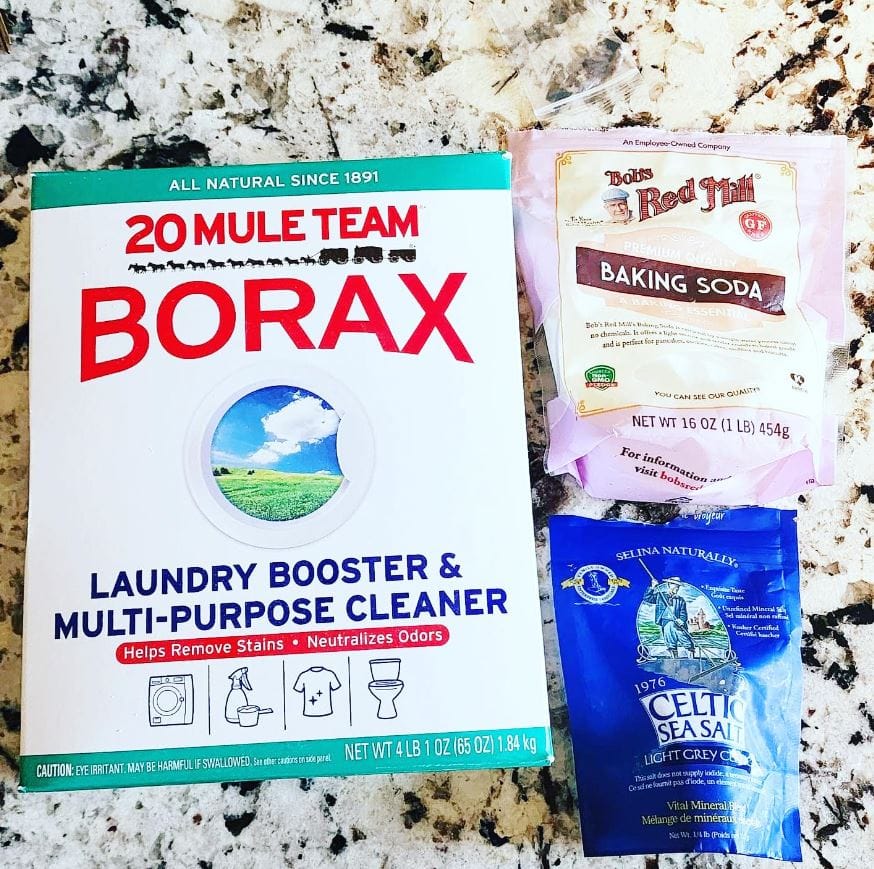
- Borax Powder (20 Mule Team is a common, widely available brand)
- A small, shallow container (bottle caps, jar lids, or commercial bait stations)
- Optional bait: cornstarch, powdered sugar, or flour.

The Application Process:
- Identify Hotspots: First, locate where silverfish are active. Common areas include:
- Under sinks in kitchens and bathrooms
- In dark cabinets and closets
- Along baseboards in damp basements and attics
- In bookcases and behind stored boxes
- Near door and window frames
- Prepare Borax Baits (The Most Effective Method):
- Mix equal parts borax and a bait attractant like cornstarch or powdered sugar. The bait lures the silverfish in, ensuring they make direct contact with and ingest the borax.
- Example Recipe: 2 tablespoons borax + 2 tablespoons cornstarch. Mix thoroughly.
- Place small amounts of this mixture into your shallow containers.
- Strategic Placement:
- Position these bait stations in the identified hotspots. Focus on areas where you’ve seen silverfish, their droppings (look like black pepper flakes), or their yellowish stains.
- For a broader approach, you can also lightly dust a thin, barely visible layer of pure borax powder in out-of-the-way areas, such as under appliances, along the back of cabinets, and in crawl spaces.
- Patience and Monitoring:
- Borax is not an instant-kill solution. It can take several days to a week to see a significant reduction in silverfish activity.
- Check your bait stations weekly. Replenish them if the powder has been disturbed or absorbed moisture and clumped.
Borax vs. Other Common Silverfish Solutions
How does borax stack up against other popular methods? The table below provides a clear comparison.
| Method | How It Works | Pros | Cons |
|---|---|---|---|
| Borax | Stomach poison & desiccant. Kills on ingestion and contact. | – Highly effective & lethal – Very inexpensive – Long-lasting when dry – Low toxicity to mammals (when used correctly) | – Works on a delay – Can be messy if applied improperly – Requires safety precautions around kids/pets |
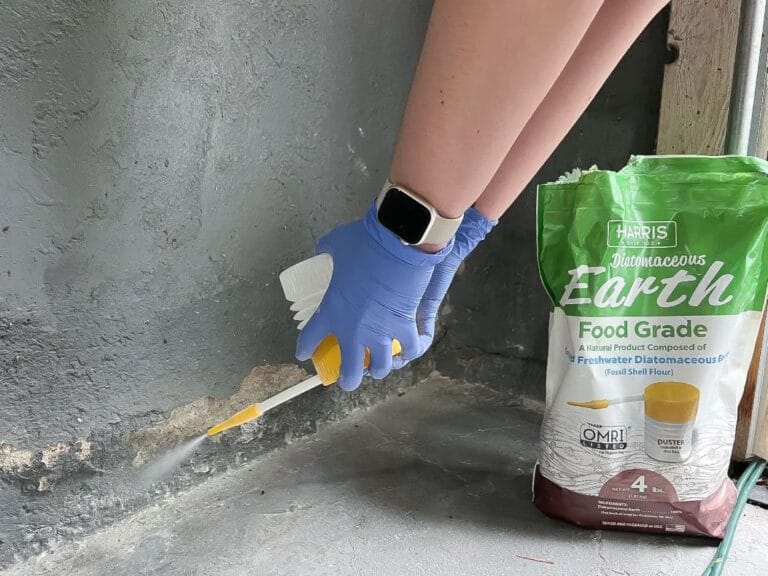
| Diatomaceous Earth (DE) | Abrasive powder that scratches the exoskeleton, causing dehydration. | – Natural and non-toxic – Safe around children and pets (food-grade) – Effective against many pests | – Can be less effective in humid environments – May take longer to work than borax |
| Commercial Insecticide Sprays | Chemical neurotoxins that kill on contact. | – Fast-acting “knockdown” effect – Can create a residual barrier | – Often contains strong chemicals – Silverfish can develop resistance – Only affects insects that directly contact the spray |
| Cedar Oil & Lavender | Repellent; silverfish dislike the strong scent. | – Natural and pleasant-smelling – Non-toxic and safe | – Does not kill silverfish; only repels them – Needs frequent reapplication – Not a solution for an existing infestation |
Crucial Safety Precautions: An Expert’s Warning
While borax is a natural mineral, it is not harmless. The National Pesticide Information Center (NPIC) classifies it as a low-toxicity substance for humans but cautions that it can cause irritation and more serious issues if misused.
- Pets and Children: This is the primary concern. Ingesting large amounts of borax can be harmful to both children and pets. Always place baits in areas completely inaccessible to them, such as behind heavy appliances or inside secured cabinets. Using enclosed commercial bait stations is highly recommended.
- Inhalation: Avoid creating dust clouds when applying. Wear a dust mask if you are sensitive to particulates.
- Skin and Eyes: Wear gloves when handling to prevent skin irritation, and avoid contact with eyes.
The Final Verdict
Borax remains one of the most reliable and economical solutions for a silverfish problem. Its dual-action mode of attack and potential for nest-level impact make it superior to mere repellents and competitive with harsher chemical alternatives.
The key to success is a combination of methods: use borax baits to eliminate the core population while simultaneously making your home less inviting by reducing humidity with dehumidifiers, fixing leaks, and storing paper products in sealed plastic containers. By following this expert advice, you can reclaim your home from these ancient, unwelcome guests.