How to Clean Swedish Dishcloths: The Ultimate Guide to Longevity & Hygiene
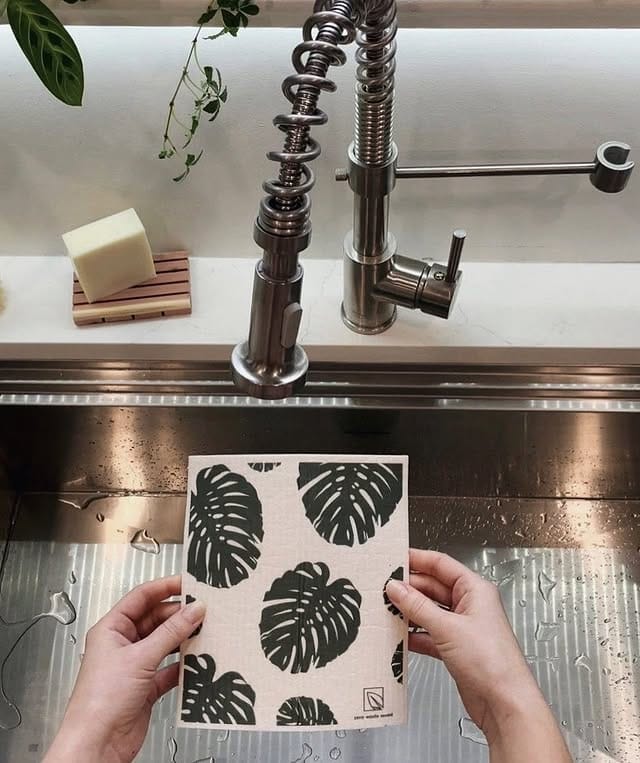
Swedish dishcloths are the darlings of the eco-friendly kitchen, brilliantly replacing rolls of paper towels. But a common question arises: how do you keep these reusable wonders clean and fresh? Proper cleaning is the secret to maximizing their lifespan and effectiveness.
This ultimate guide will walk you through everything from daily rinses to deep-cleaning methods, ensuring your sustainable swap stays hygienic and functional for months.
Why Proper Cleaning is Non-Negotiable
A clean dishcloth is an effective dishcloth. Swedish dishcloths are made from a cellulose and cotton blend, making them highly absorbent. However, this same quality means they can trap food particles and bacteria if not cared for correctly.
“Think of your Swedish dishcloth as a high-performance kitchen tool. Just as you wouldn’t leave food residue on a good knife, you shouldn’t let it fester in your cloth. A 30-second clean can extend its life for months.” – Sustainable Kitchen Expert
Regular cleaning prevents:
- Odor Buildup: The dreaded mildew smell.
- Bacterial Growth: Keeping your kitchen surfaces safe.
- Staining: Maintaining that bright, clean look.
- Reduced Absorbency: A clogged cloth won’t work well.
Your Daily & Weekly Cleaning Routine
For day-to-day maintenance, a simple routine is all you need.
The Daily Rinse & Squeeze
After each use, simply rinse your dishcloth under warm running water and wring it out thoroughly. This flushes out the majority of food residues and prevents them from setting in.
The Weekly Deep Clean
At least once a week, or more often if you use it heavily, give your dishcloth a proper wash.
1. The Soapy Soak Method:
* Fill a bowl or sink with warm water and a squirt of mild dish soap.
* Submerge the dishcloth and let it soak for 15-30 minutes.
* Rinse thoroughly until the water runs clear and wring it out.
2. The Microwave Sanitization Method:
* Ensure the cloth is fully wet and clean of large debris.
* Place it on a microwave-safe plate and microwave on high for 1 minute.
* Caution: The cloth and plate will be very hot! Let it cool before handling.
* This method uses steam to kill over 99% of bacteria and germs.
Tackling Tough Stains, Odors, and Mildew
If your dishcloth has been neglected and developed stains or a funky smell, don’t despair! These powerful methods can often bring it back from the brink.
The Vinegar Soak for Odor Removal
For persistent odors, vinegar is your best friend.
- Soak the dishcloth in a 50/50 solution of white vinegar and warm water for at least 30 minutes.
- Rinse well and wring it out. The vinegar smell will dissipate as it dries.
The Bleach Solution for Stains & Disinfection
For whitening and disinfecting a cloth that has mildew or deep stains, a mild bleach solution is effective.
- Mix 1 part household bleach with 10 parts cold water.
- Soak the cloth for no more than 5-10 minutes.
- Rinse the cloth extremely thoroughly until you can no longer smell any bleach.
- Important: Bleach can break down the cellulose fibers over time, so use this method sparingly.
Can You Machine Wash Swedish Dishcloths?
Yes, but with major caveats. They are durable, but the agitation of a washing machine can cause them to fray or break down faster.
If you choose to machine wash:
- Place them in a delicates bag or pillowcase.
- Use a gentle, cold water cycle.
- Do NOT use fabric softener as it clogs the fibers.
- Air dry only – never put them in the dryer.
How to Dry Your Swedish Dishcloth Correctly
Proper drying is just as important as washing. A damp, bunched-up cloth is a breeding ground for bacteria.
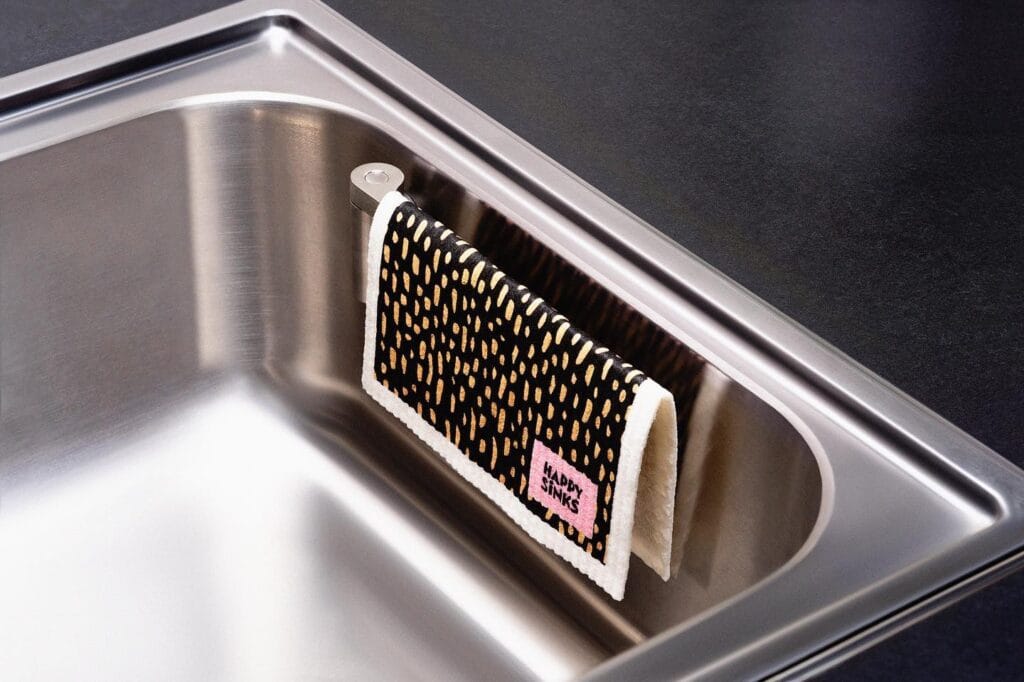
Always air dry your dishcloth flat or draped over a rack. Avoid leaving it in a soggy heap in the sink. The beauty of Swedish dishcloths is that they dry surprisingly quickly when given adequate air circulation.
Cleaning Method Comparison Table
This table provides a quick, at-a-glance guide to choose the right method for your needs.
| Method | Best For | Frequency | Key Consideration |
|---|---|---|---|
| Rinse & Squeeze | Daily maintenance after use | After every use | Prevents residue buildup; takes 30 seconds. |
| Soapy Soak | Weekly deep clean | Once a week | Gentle and effective for general cleaning. |
| Microwave | Sanitizing & killing germs | Once a week or as needed | Very effective, but ensure cloth is wet to avoid fire risk. |
| Vinegar Soak | Eliminating odors | As needed (e.g., monthly) | Natural deodorizer; safe for the cloth’s fibers. |
| Bleach Soak | Removing mildew & stains | Sparingly, for rescue missions | Can degrade fibers; requires extensive rinsing. |
| Machine Wash | A full load of cloths | Occasionally, if at all | Highest risk of wear and tear; use a gentle cycle. |
Knowing When to Say Goodbye
Even the best-cared-for Swedish dishcloth has a finite lifespan. Typically, they last between 3 to 6 months with proper care.
It’s time to compost your dishcloth when it:
- Becomes permanently stiff and doesn’t soften when wet.
- Starts to fall apart or develop holes.
- Holds onto unremovable odors even after cleaning.
- Loses its absorbency.
The best part? Since they are made from natural materials, they are fully compostable. Simply cut it into small strips and add it to your compost bin, where it will break down within a few weeks.
Final Pro-Tips for a Pristine Dishcloth
- Rotate Your Cloths: Have two or three in rotation. This allows each one to dry completely between uses.
- Designate by Task: Consider using different colors for different tasks (e.g., one for counters, one for dishes) to minimize cross-contamination.
- Avoid Harsh Chemicals: While bleach is useful for rescue missions, daily use of harsh cleaners can break down the fibers faster.
By following these simple cleaning guidelines, you can ensure your Swedish dishcloths remain a hygienic, effective, and truly sustainable powerhouse in your kitchen for their entire lifespan.