The Ultimate Guide: How to Clean Your Hydrogen Water Bottle for Peak Performance
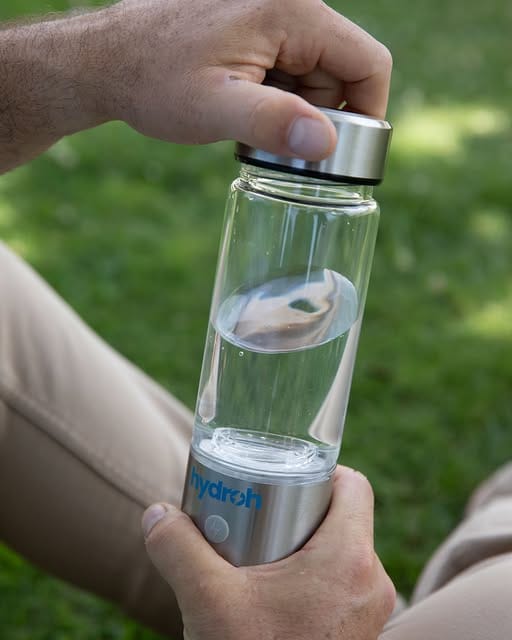
Hydrogen water bottles are fantastic for enjoying the potential benefits of molecular hydrogen anywhere, anytime. However, like any premium wellness device, their performance and longevity depend on one critical habit: proper cleaning.
Neglecting this not only affects the taste of your water but can also compromise the machine’s hydrogen-generating efficiency and lead to bacterial growth. This comprehensive guide will walk you through the simple steps to keep your bottle clean, safe, and effective.
Why Regular Cleaning is Non-Negotiable
Before we dive into the “how,” it’s crucial to understand the “why.” A hydrogen water bottle has two main components that require attention: the water reservoir (the bottle itself) and the electrolysis plate (the part that creates the hydrogen).
“Think of the electrolysis plate as the engine of your hydrogen bottle. Mineral scale and biofilm are like sludge for that engine. Regular cleaning isn’t just about hygiene; it’s about maintaining optimal performance and protecting your investment.”
— Wellness Device Maintenance Specialist
Failing to clean these parts can lead to:
- Limescale Buildup: Minerals in water (calcium, magnesium) can coat the electrolysis plate, reducing its ability to produce hydrogen.
- Biofilm Formation: A slimy layer of bacteria can develop inside the bottle and on components, affecting taste and water safety.
- Reduced Hydrogen Output: A dirty electrode cannot generate hydrogen gas efficiently.
- Unpleasant Odors and Tastes: Stagnant water and bacteria lead to a musty or metallic taste.
Your Step-by-Step Guide to Daily and Deep Cleaning
A consistent cleaning routine involves both quick daily maintenance and a more thorough weekly deep clean.

Part 1: The Daily Rinse (After Each Use)
This is your first line of defense and takes less than a minute.
- Empty Completely: Pour out any remaining hydrogen water.
- Rinse Thoroughly: Rinse the inside of the bottle with fresh, clean water. Swirl it around to reach all surfaces.
- Air Dry: Leave the lid off and allow the bottle to air dry completely upside down on a drying rack.
Part 2: The Weekly Deep Clean
This process removes mineral scale and ensures the electrolysis plate stays in top condition.
What You’ll Need:
- White vinegar or fresh lemon juice (a natural acid alternative)
- Warm water
- A soft-bristled brush (a clean toothbrush works perfectly)
The Process:
- Create the Cleaning Solution: Mix a solution of one part white vinegar (or lemon juice) with two parts warm water. Fill the bottle to its maximum water line.
- Pro Tip: Always refer to your manufacturer’s manual. Some may recommend specific cleaning solutions or ratios.
- Activate the Hydrogen Generation: Place the bottle on its base and turn it on. Let it run a full cycle (typically 5-10 minutes) with the cleaning solution inside. This ensures the vinegar solution is electrolyzed, actively cleaning the plate.
- Soak and Scrub: After the cycle, let the solution sit in the bottle for 15-20 minutes. Then, pour it out and use the soft brush to gently scrub the inside of the bottle and the electrolysis plate at the bottom. Be very gentle with the plate to avoid scratching it.
- The Final Rinse: Rinse the bottle 2-3 times with clean water to ensure all traces of vinegar are gone.
- Perform a “Water-Only” Cycle: For absolute peace of mind, fill the bottle with clean water and run one final hydrogen cycle. Discard this water. This purges any residual cleaning solution.
Cleaning Solutions Comparison Table
Choosing the right cleaning agent is key. Here’s a quick comparison to help you decide.
| Cleaning Agent | Pros | Cons | Best For |
|---|---|---|---|
| White Vinegar | Highly effective at dissolving mineral scale, inexpensive, readily available. | Can leave a slight odor if not rinsed thoroughly. | Regular deep cleaning, especially in areas with hard water. |
| Lemon Juice | Natural, pleasant smell, effective at cutting through light scale. | Can be slightly less effective on heavy buildup, more expensive than vinegar. | Users who dislike the smell of vinegar and for light maintenance. |
| Citric Acid Powder | Very effective, no lingering odor, food-safe. | Requires purchase of a specific product (may not be on hand). | All levels of scale buildup, a highly recommended alternative. |
| Manufacturer’s Cleaner | Specifically formulated for the device, guaranteed to be safe. | Often the most expensive option. | Users who want the utmost assurance and have a compatible model. |
Common Cleaning Mistakes to Avoid
A little care goes a long way. Steer clear of these common pitfalls:
- Using Harsh Abrasives: Steel wool or harsh scrub pads can permanently scratch the stainless steel interior and damage the sensitive electrolysis plate. Always use a soft brush or cloth.
- Submerging the Base Unit: The main body of the bottle containing the electronics should never be immersed in water. Only the detachable cap (if applicable) and the main bottle are submersible.
- Neglecting the Drying Process: Storing the bottle with the lid on while it’s still damp creates a perfect environment for mold and mildew. Always air dry completely.
- Using Bleach or Soap: These chemicals can damage the electrolysis plate and are very difficult to rinse out completely, leaving behind harmful residues.
Maintaining Your Bottle Between Cleans
Good habits extend the time between deep cleans.
- Use Filtered or Demineralized Water: This is the single best practice. It significantly reduces mineral content, slowing down scale formation.
- Empty When Not in Use: Don’t leave water sitting in the bottle for extended periods (e.g., overnight).
- Wipe the Exterior: Regularly wipe down the base unit and bottle exterior with a damp cloth to prevent dust buildup.
Cleaning your hydrogen water bottle is a simple, quick process that pays massive dividends. By incorporating a consistent routine of daily rinses and weekly deep cleans with the right solutions, you ensure that every sip of hydrogen water is fresh, safe, and maximally effective. Your bottle—and your wellness journey—will thank you for it.