
How to Clean Your Night Guard for Hygiene and Longevity
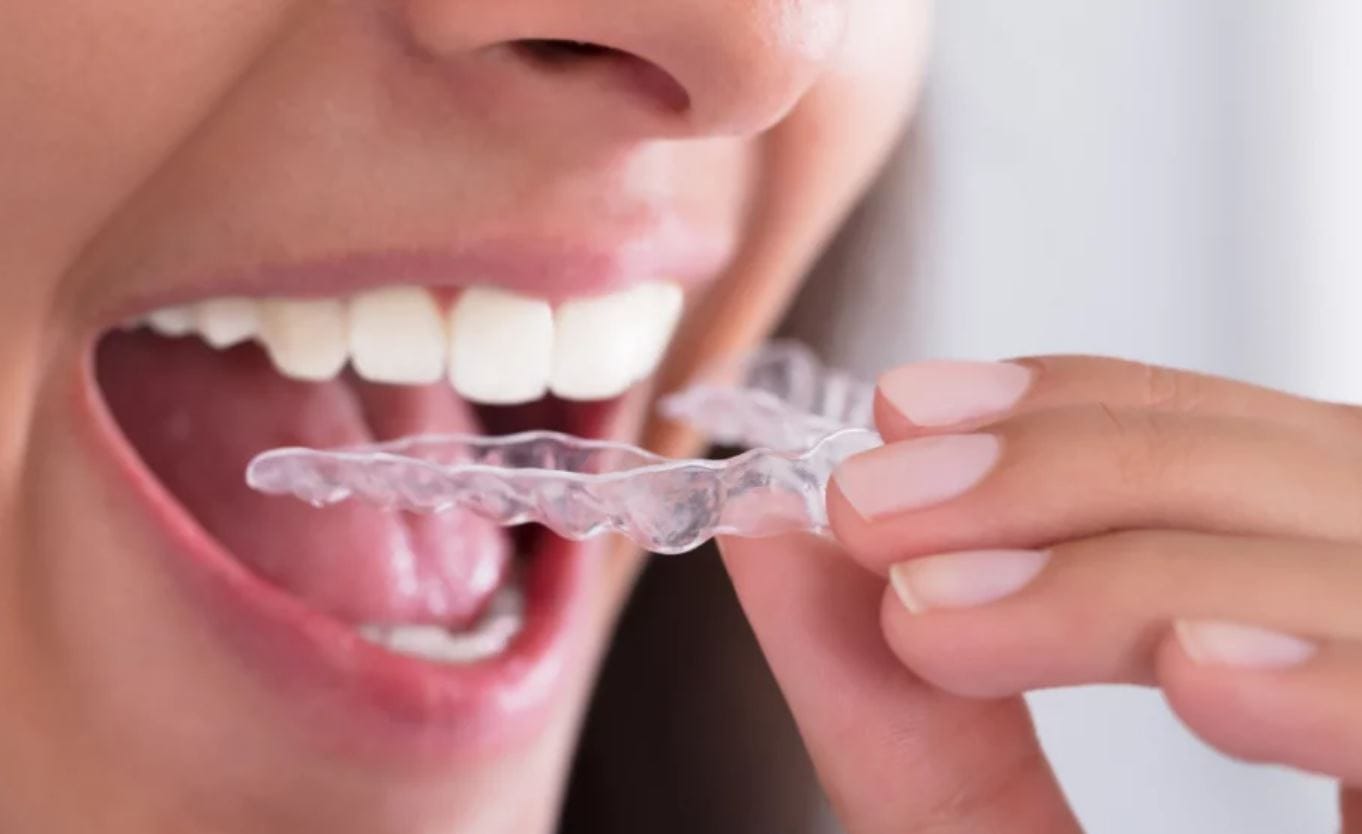
Your night guard is a crucial investment in your oral health, protecting you from the damaging effects of grinding and clenching (bruxism). But just like your teeth, it needs a consistent and proper cleaning routine. Neglecting it can lead to a buildup of bacteria, plaque, and unpleasant odors, potentially harming your teeth and gums.
This definitive guide will walk you through the daily and weekly cleaning routines, what to avoid, and how to keep your guard fresh and clear for years to come.
Why Cleaning Your Night Guard is Non-Negotiable
Think of your night guard as a dish that you eat off of every night, but never put in the dishwasher. Throughout the night, it collects:
- Bacteria and Plaque: Your mouth is home to millions of bacteria, which readily transfer to your guard.
- Saliva and Proteins: These can create a cloudy, sticky film on the surface.
- Food Particles: Tiny debris can get trapped, even if you brush before bed.
A dirty night guard doesn’t just look unappealing; it can reintroduce harmful bacteria into your mouth, leading to bad breath, gum inflammation, and even cavities on the teeth it’s meant to protect.
Dr. Emily Watson, DDS, explains: “A clean night guard is a safe night guard. When patients complain of a sudden onset of gingivitis or unexplained bad breath, one of the first things I inspect is the cleanliness of their oral appliance. It’s often the culprit.”

Your Daily Cleaning Routine: The 2-Minute Habit
A quick clean every morning is your first line of defense. This routine removes the fresh biofilm before it hardens and becomes difficult to eliminate.
Step-by-Step Daily Cleaning
- Rinse Immediately: As soon as you remove your night guard, rinse it thoroughly under cool or lukewarm running water. Avoid hot water, as it can warp the plastic material, especially for boil-and-bite guards.
- Brush Gently: Using a soft-bristled toothbrush (dedicated to this purpose, not your regular toothbrush), gently scrub all surfaces of the guard. You can use a small amount of mild, antibacterial soap or the toothpaste you use for sensitive teeth (as it’s less abrasive).
- Rinse Again: Make sure all cleaning residue is completely washed off.
- Dry Thoroughly: Pat your night guard dry with a clean, lint-free cloth and let it air dry completely in its ventilated case before closing it. Trapping moisture creates a breeding ground for bacteria.
The Deep Cleaning Weekly Soak
While daily brushing handles the surface, a weekly deep clean is essential for sanitization and stain removal. Here are the most effective and recommended methods.
Recommended Deep Cleaning Methods
1. White Vinegar Soak (Natural & Effective)
- Method: Mix one part white vinegar with one part cool water in a container. Soak your night guard for 15-30 minutes.
- Why it Works: Vinegar is a natural disinfectant that kills bacteria and breaks down tartar and stains without damaging the plastic.
- Aftercare: Rinse the guard thoroughly under running water to remove the vinegar taste and odor.
2. Denture Cleanser Tablets (Convenient & Trusted)
- Method: Follow the package directions. Typically, you dissolve one effervescent tablet in a glass of lukewarm water and soak your guard for the specified time.
- Why it Works: These tablets are specifically formulated to clean dental appliances, effectively killing bacteria and eliminating odors.
- Pro Tip: This is the method most dentists recommend for its ease and efficacy.
Cleaning Methods to Avoid at All Costs
Being aggressive with your cleaning can do more harm than good. Certain products can degrade, scratch, or discolor your guard.
The “Do Not Use” List
- Toothpaste (Abrasive kinds): Most toothpastes are mildly abrasive to scrub teeth clean. On the softer plastic of a night guard, they can create micro-scratches that harbor more bacteria.
- Bleach or Hydrogen Peroxide (in high concentrations): These can weaken the plastic over time, cause discoloration (yes, bleaching can make some plastics yellow!), and are harsh chemicals you don’t want in your mouth.
- Boiling Water: Extreme heat will warp and melt your night guard, rendering it useless.
- Alcohol-Based Mouthwashes: Alcohol can dry out and crack the plastic, reducing its lifespan.
To make it easy, here is a quick comparison:
Cleaning Solutions Comparison Table
| Method | Best For | Pros | Cons |
|---|---|---|---|
| White Vinegar Soak | Deep cleaning, descaling | Natural, inexpensive, effective | Leaves a temporary odor that must be rinsed well |
| Denture Cleanser | Weekly sanitization, odor removal | Convenient, specifically designed, fresh taste | Ongoing cost of purchasing tablets |
| Mild Soap & Water | Daily cleaning | Safe, readily available, doesn’t damage guard | Not a strong disinfectant on its own |
| Abrasive Toothpaste | Avoid | – | Creates scratches, dulls the surface, harbors bacteria |
| Bleach | Avoid | – | Weakens plastic, causes discoloration, toxic residue |
FAQ: Your Night Guard Cleaning Questions Answered
How often should I replace my night guard?
With proper care, a custom-made guard from your dentist can last 2-5 years. Over-the-counter boil-and-bite guards typically last 6-12 months. Replace yours if it becomes loose, damaged, overly stained, or difficult to clean.
Why does my night guard smell bad?
A persistent bad smell is a clear sign of bacterial buildup. This often happens due to inadequate cleaning or storing the guard while it’s still wet. Revive it with a vinegar or denture tablet soak and ensure it is bone-dry before storage.
Can I use an ultrasonic cleaner?
Yes! An ultrasonic cleaner is an excellent, low-effort way to keep your guard pristine. It uses high-frequency sound waves to create tiny bubbles that scrub every crevice. Use it with water or a gentle cleaning solution recommended by the manufacturer.
Mark, a long-time night guard user, shares: “I struggled with keeping my guard clean until I bought a small ultrasonic cleaner on Amazon. I drop it in for a 5-minute cycle every morning, and it looks and feels like new. It’s been a game-changer.”
Your Simple Cleaning Checklist
Stick to this routine to ensure your night guard remains clean, clear, and protective.
- ✅ Daily: Rinse, brush with mild soap, dry thoroughly.
- ✅ Weekly: Soak in vinegar solution or denture cleanser.
- ✅ Storage: Always store in a ventilated case, not in a sealed bag or container.
- ❌ Avoid: Abrasive toothpaste, harsh chemicals, and hot water.
By following these steps, you’re not just cleaning a piece of plastic—you’re actively protecting your oral health and ensuring your investment lasts for years to come. A clean guard is a healthy smile!


