What to Expect From a Routine Electrical Maintenance Visit
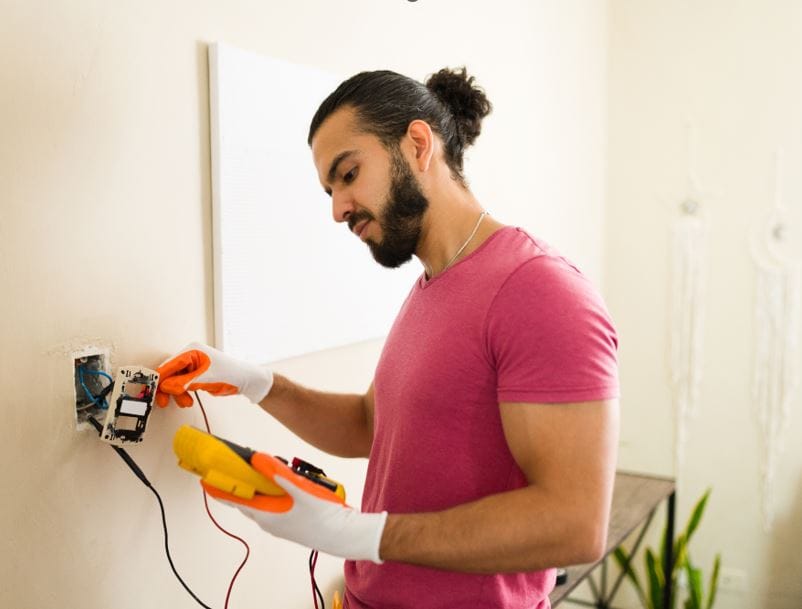
Your home’s overall functionality and livability heavily rely on its electrical system. It’s what keeps the lights and heating, ventilation, and air conditioning (HVAC) system on. It’s also that very power behind your gadgets and appliances. It’s just right to always make sure it’s working as it should and that issues are dealt with straight away. This is so the electrical components stay efficient and your home continues to be a safe, hazard-free haven for you and your family.
The role of a routine maintenance visit from an expert electrician can’t be undermined in this context. It’s a proactive step that will give you peace of mind. It removes any worries of your electrical system malfunctioning when you need it most and minimizes hazards that might put one’s safety at risk. But what can you expect from this visit? Here are the details you need to know:
Pre-Inspection
Your hired electrician won’t jump right into inspection as soon as they arrive. They’ll first gather all the information they could concerning your electrical system.
They’ll ask you about any concerns you may have, such as weird noises coming out of the outlets, malfunctioning appliances, flickering lights, faulty wiring, or circuit breakers that frequently trip. This is the time to be as honest as possible. Never withhold any detail, no matter how insignificant it may be to you. Expect the electrician to ask for records of past works done on your electrical system, including upgrades and repairs, so they can fully understand its history.
Also, as early as this stage, the electrician should already have an idea whether your electrical system is fully compliant with safety standards. If you want this level of expertise, it’s best to hire a local electrician who’s fully knowledgeable of your area’s existing regulations.
Initial Walk-Through and Safety Checks
A visual inspection will come right after. The technician will check if circuit breakers are properly labeled. They’ll scan all the accessible electrical components and take note of signs of damage like frayed wires or burn marks.
This, too, is the time to conduct safety checks to identify hazards such as worn-out outlet covers and water leaks near electrical equipment. The electrician will also make sure that nothing is obstructing wiring, switches, and outlets for a smooth workflow.
Afterwards, the technician will be marking off their entire work area and preparing all the tools they need. Certain parts of the system will then be powered down prior to the assessment and servicing to prevent accidents such as electric shocks.
Comprehensive Inspection
This is the part where the technician will conduct a detailed examination of your home’s electrical components.
Checking your wiring for damage will be first in line. They’ll look for issues such as loose connections and frayed insulation, as well as signs of overheating that can indicate loose terminals and overloaded circuits.
Inspecting your electrical panel or breaker box will be the next order of business, checking for corrosion and signs of overheating. The technician will also assess if the breakers’ sizes match their respective circuits. Bonding and grounding systems are to be checked as well, making sure they can effectively divert electrical failures and prevent electric shocks.
Your hired technician will go over your switches, outlets, and fixtures too for wear or any loose fittings. Their inspection checklist also includes arc-fault circuit interrupters (AFCIs) ground-fault circuit interrupters (GFCIs), and smoke and carbon monoxide detectors.

Advanced Testing and Diagnostics
At this stage, the technician will be going deeper into your electrical system. Expect them to carry out the following:
- They’ll conduct continuity testing to confirm unbroken (or broken) electrical paths within circuits.
- They’ll do insulation resistance testing on motors and feeders to check the wiring insulation’s integrity. If these aren’t functioning as they should, your home could be at risk from short circuits or electric shock.
- Voltage levels will be tested, making sure they’re within safe limits. Electrical load balance within circuits will also be checked to prevent overloads.
- Your electrical panel will go through thermal imaging, which uses infrared camera, to check for hot spots or changes in temperature. These indicate issues such as overloaded circuits and failing components.
Outdated systems will also be identified at this juncture, particularly if you’re living in an old property. Aluminum or knob-and-tube wiring that has served your home for decades may need to be upgraded to prevent hazards.
Servicing and Repairs
The electrician will now do the necessary fixes on issues discovered during the inspection and testing. These include addressing minor faults and replacing damaged, worn-out components. They’ll make sure your electrical system is working efficiently before they leave your premises.
Cleaning
First, they’ll do some cleanup to get rid of the dust and dirt that have accumulated in your electrical panels and fixtures. This prevents heat dissipation and nuisance tripping of circuit breakers. It also helps prolong your electrical equipment’s lifespan.
Tightening
Any loose connections will be tightened as these can easily lead to overheating and, worse, fires. Also, expect to see less of those flickering lights and unusual buzzing noises stemming from outlets or switches after these issues have been addressed.
Lubricating
Lubrication of switchgear and electric motors will also be part of the process. This prevents wear and friction, as well as reduces noise and even energy consumption.
Replacing
Lastly, outdated and faulty parts will be replaced so these won’t exacerbate into bigger, more expensive problems in the future. Cracked or loose outlets and switches will be swapped in favor of safer and more grounded alternatives. Circuit breakers that constantly fail also have to go, as well as smoke detectors, GFCIs, and AFCIs that aren’t working efficiently anymore.
A Detailed Report
At the end of the inspection and servicing, the electrician will provide you with a comprehensive report containing their findings and every single work they’ve done on your electrical equipment. It also includes recommendations, particularly on major repairs that have to be done to ensure the utmost efficiency and adherence to modern safety standards. This document will come in handy for future maintenance works.
Final Thoughts
One of the best ways to take care of your beloved home is to have it undergo a routine electrical maintenance check at least once a year. This way, you’ll know exactly whether your electrical system is working properly or if it’s in dire need of repairs. This will give you peace of mind, knowing that your home is as functional and safe as you want it to be.