Pool Cleaning Los Angeles: Proven Strategies for Spotless Water
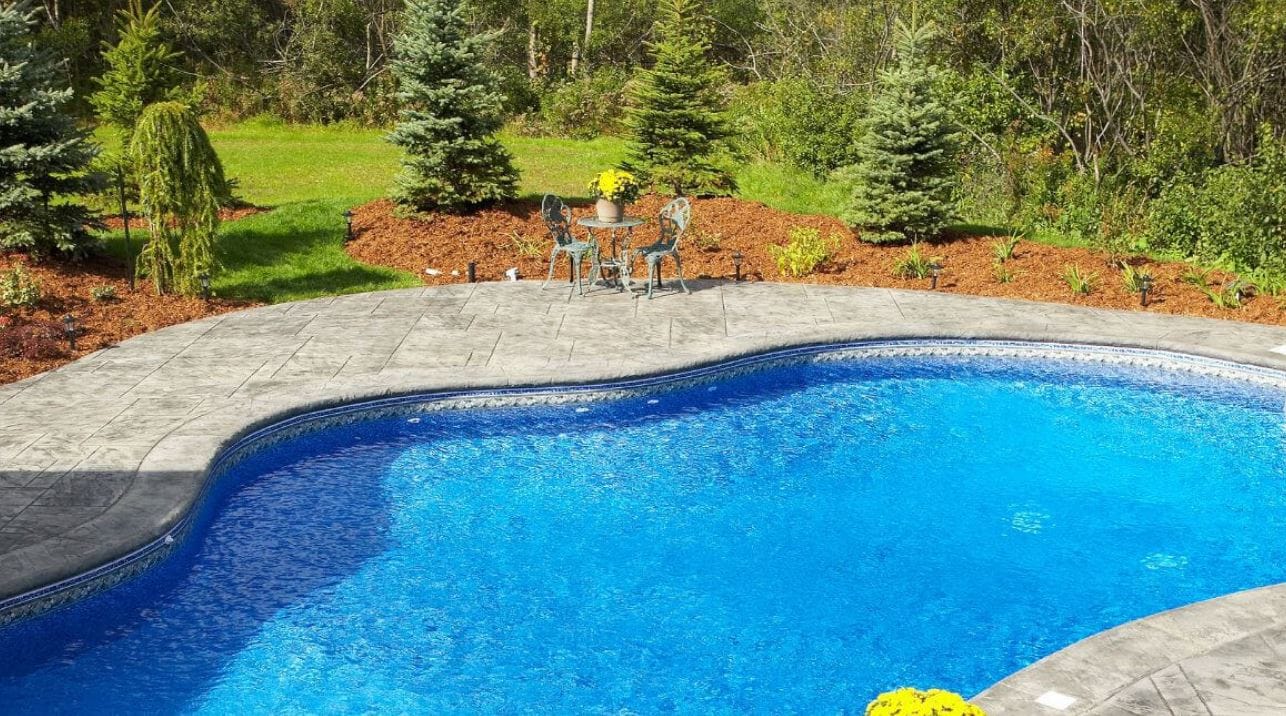
Sunny days make pools shine in L.A., but they also stress your water. Heat, wind, and dust work against a clean pool. If you want reliable pool cleaning Los Angeles results, focus on simple, steady steps that guard your water day after day.
Why Los Angeles Pools Need Special Care
Los Angeles has long, hot summers and dry winds. Dust and leaves fall into pools. Sunlight eats up chlorine fast. AC Pools teams see this every week across the city, from the Valley to the Westside. The fix is not a mystery. It is a clear plan you follow all year.
- Sunlight breaks down chlorine. On bright days, chlorine can fall below safe levels in hours.
- Santa Ana winds push dirt and ash into pools. That feeds algae if you do not brush and filter.
- Hard water is common. Calcium can leave white scale on tile and inside equipment.
Pool Cleaning Los Angeles Basics: Chemistry First
Clean water starts with basic chemistry. Keep these target ranges to stop algae, protect gear, and keep swimmers safe.
- Free chlorine: 1–3 ppm
- pH: 7.2–7.8
- Total alkalinity: 80–120 ppm
- Calcium hardness: 200–400 ppm
- Cyanuric acid (stabilizer): 30–50 ppm for tablet pools, 60–80 ppm for salt pools
Small, steady changes are best. Big swings cause cloudy water and stains.
Simple 5-Minute Test Routine
- Test free chlorine and pH 2–3 times per week in summer, weekly in cooler months.
- If pH is high, add a little acid. If it is low, add soda ash or baking soda as needed.
- If chlorine is low, add liquid chlorine or run the salt system longer.
- Log your readings so you can see trends, not just single days.
How to Balance in the Right Order
- Adjust total alkalinity first so pH stops bouncing.
- Set pH into the 7.4–7.6 sweet spot.
- Set free chlorine to 2–3 ppm.
- Check stabilizer. If too low, the sun will burn off the chlorine. If too high, chlorine works more slowly.
- Keep calcium in range to prevent scale and etching.
Skimming, Brushing, and Vacuuming That Works
Debris and algae start on surfaces. If you remove them early, your filter and chlorine can do the rest.
- Skim daily when winds are strong.
- Brush walls, steps, tile line, and corners twice a week. Algae hides in shaded spots.
- Vacuum weekly. Do a quick pass more often after storms or parties.
Brushing Tips That Save Time
- Use a nylon brush for most finishes. Use a stainless combo brush for plaster with tough spots.
- Start at the shallow end and move toward the deep end so dirt goes to the main drain.
- Brush ladders, lights, and under rails. These areas get slime first.
Vacuum Choices for L.A. Homes
| Cleaner Type | Best For | Pros | Considerations |
| Manual vacuum | Small pools, tight budgets | Low cost, full control | Takes time and effort |
| Robotic cleaner | Most residential pools | Energy efficient, scrubs walls | Higher upfront cost |
| Pressure-side cleaner | Leafy yards | Great leaf pickup | Needs booster pump in many cases |
| Suction-side cleaner | Simple setups | Lower cost, easy install | Uses pump suction, may clog with leaves |
Beating Algae and Cloudy Water in L.A. Heat
Heat speeds algae growth. A simple response can turn things around fast.
- Brush the whole pool to break the algae shield.
- Raise chlorine with a shock dose. Run the pump 24 hours during cleanup.
- Clean or backwash the filter once pressure rises 8–10 psi over clean pressure.
- Vacuum to waste if there is a lot of dead algae on the floor.
- Check stabilizer. If cyanuric acid is above 80–90 ppm, consider a partial drain and refill to improve chlorine’s power.
Quick case example: After a September heat wave, a Valley Village homeowner saw green walls. They brushed, shocked to 10 ppm, ran the pump all day, and cleaned the cartridge the next morning. After two days of brushing and keeping chlorine at 5–7 ppm, the water turned clear. By day four, normal levels were held, and algae was gone.
Filters and Pumps: Quiet Workhorses
Filter Care by Type
- Cartridge: Rinse when pressure rises to 8–10 psi. Deep clean with a filter cleaner twice per season.
- Sand: Backwash when pressure rises 8–10 psi. Replace sand roughly every 3–5 years.
- D.E.: Backwash when pressure rises, recharge with fresh D.E. powder. Deep clean grids each season.
Pump Runtime and Turnover
Aim to turn over all pool water at least once a day. In summer, many L.A. pools need 8–12 hours. With a variable-speed pump, run longer at a lower speed to save energy. Split your schedule: a morning block for skimming and a later block for heat and swimmers.
Tile, Calcium, and Stain Control
Hard water leaves white lines on the tile. It can also build inside heaters and salt cells.
- Keep calcium hardness in the 200–400 ppm range.
- Use a stain and scale reducer if your source water is very hard.
- Wipe the tile line weekly while you brush so scale cannot grab on.
For heavy scale, hire a pro for bead blasting or safe descaling. Avoid harsh scraping that chips tile.
Metal stains look brown or teal and often show in patterns. Test with a vitamin C tablet on a small spot. If it lightens, it may be iron. Use a metal remover and improve water balance to prevent return.
Saltwater vs. Tablets in Los Angeles
Both systems can work in L.A. heat. The choice is about comfort, upkeep, and cost.
- Salt systems make chlorine on-site. Water feels soft. You still need to test and balance. Clean the salt cell every few months to remove scale.
- Tablet feeders are simple, but tablets add stabilizer. If the stabilizer climbs too high, chlorine loses punch. Mix in liquid chlorine to keep the stabilizer steady.
If your yard gets lots of leaves and dust, focus on strong filtration and brushing, no matter which sanitizer you use.
Smart Scheduling: Weekly and Seasonal Checklist
Weekly in summer:
- Test and balance chlorine and pH.
- Skim, brush, and vacuum.
- Empty skimmer and pump baskets.
- Check filter pressure.
Every 2–4 weeks:
- Check total alkalinity, calcium, and stabilizer.
- Clean cartridges or backwash as needed.
- Inspect the salt cell or chlorinator.
Seasonal:
- Spring: Deep clean filter, inspect seals and o-rings, check lights and GFCI.
- Fall: After wind events, run extra cycles and brush more often.
- Before vacations: Bring chlorine to the high end of the range, set the timer, and consider a floater.
Real-World L.A. Scenarios and Fixes
- After Santa Ana winds: Run the robot, skim twice, brush steps and walls, clean the filter the next day.
- After a big party: Shock to safe levels that night, run the pump, and test in the morning.
- During a heat wave: Raise chlorine target by one ppm and run the pump longer.
Safety, Energy, and Water Savings
- Keep the water level halfway up the skimmer mouth to avoid sucking air.
- Use a cover to cut evaporation and keep dust out. Covers also hold heat at night.
- Upgrade to a variable-speed pump to lower power use.
- Fix leaks fast. A small leak wastes water and throws off chemistry.
When to Call a Pro
Sometimes it pays to bring in help. If you face recurring algae, stubborn scale, cloudy water that will not clear, or a filter that clogs right away, a pro can solve the root cause. For deep cleans, complex stains, heater issues, or automation errors, expert service saves time and money. If you are planning a schedule with work and school, a monthly service can lock in consistency. That is the key to pool cleaning Los Angeles homeowners can trust through summer and beyond.
How AC Pools Can Help
If you want a simple, steady plan, a clear log, and clean gear, a service team can set it up for you. AC Pools can build a weekly or biweekly routine, balance your water, and keep the filter and salt system in shape. They can also tune your pump settings for comfort and energy savings. You can then glide into the weekend with a pool that is ready to swim.
Conclusion
Los Angeles pools face heat, wind, and hard water. The winning plan is simple: test often, keep chlorine and pH in range, brush twice a week, vacuum weekly, and care for your filter. Handle algae fast with brushing, shock, and strong circulation. Watch stabilizer so the sun does not eat your chlorine. Use tools that fit your yard and schedule. When problems stack up, bring in a pro to reset the system. With steady steps and smart gear, your pool stays clear, safe, and inviting all year.