Transform Your Home with Smart Kitchen and Outdoor Upgrades
Your home is more than just four walls—it’s your sanctuary, your comfort zone, and the place where life’s most precious moments unfold. Whether you’re preparing a family dinner in the kitchen or hosting friends on your deck, every space in your home plays a vital role in creating memories that last a lifetime.
In today’s world, homeowners are increasingly focused on creating spaces that blend functionality with style. The good news is that you don’t need to undertake a complete renovation to make a significant impact. Strategic upgrades to key areas like your kitchen and outdoor spaces can dramatically enhance both your daily living experience and your property’s value.
The kitchen, often called the heart of the home, deserves special attention. It’s where you start your mornings with that first cup of coffee, where you experiment with new recipes, and where family naturally gathers during busy weekdays. Similarly, your outdoor spaces—whether it’s a deck, patio, or backyard area—serve as extensions of your indoor living, providing the perfect backdrop for relaxation and entertainment.

Why Kitchen Upgrades Matter More Than Ever
Your kitchen sees more action than any other room in your house. From quick breakfast preparations to elaborate holiday feasts, this space needs to work efficiently while looking great. Modern kitchen upgrades focus on three key elements: efficiency, safety, and aesthetics.
Consider how your cooking habits have evolved over the years. You might find yourself preparing more meals at home, experimenting with different cuisines, or hosting dinner parties more frequently. These changing needs require cooking appliances that can keep up with your lifestyle while providing the precision and control you need for culinary success.
Energy efficiency has become a crucial factor in kitchen planning. Today’s homeowners are more conscious about their environmental impact and monthly utility bills. This awareness has led to increased interest in appliances that deliver superior performance while consuming less energy.
Safety is another paramount concern, especially in busy households with children or elderly family members. Modern cooking technology has evolved to include features that minimize risks while maximizing convenience. From automatic shut-off functions to cool-touch surfaces, today’s appliances prioritize user safety without compromising on performance.
The Revolution of Induction Cooking Technology
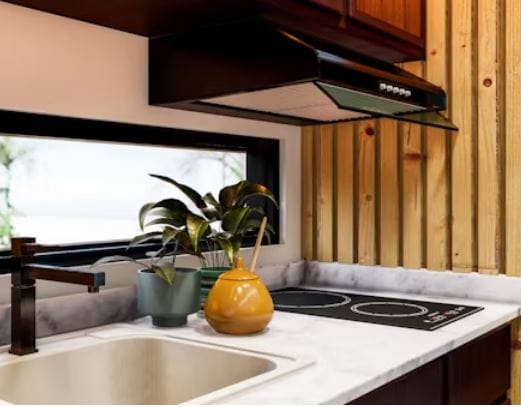
When it comes to upgrading your cooking experience, few innovations have been as game-changing as induction technology. Unlike traditional gas or electric cooktops, induction cooktop systems use electromagnetic fields to heat cookware directly, resulting in faster cooking times, precise temperature control, and enhanced safety features.
The benefits of induction cooking extend far beyond speed and efficiency. You’ll notice immediate improvements in your cooking precision, as temperature adjustments happen instantaneously. This responsiveness allows you to have complete control over delicate processes like melting chocolate or simmering sauces, ensuring consistent results every time you cook.
From a safety perspective, induction cooktops remain relatively cool to the touch since they heat the cookware rather than the surface. This feature significantly reduces the risk of accidental burns, making them an excellent choice for households with young children or elderly family members. Additionally, most induction units include automatic pan detection and shut-off features, providing an extra layer of safety and peace of mind.
Energy efficiency is another compelling reason to consider induction technology. These systems convert approximately 90% of the energy they consume into heat, compared to about 40-50% for traditional gas cooktops. This efficiency translates into lower energy bills and a reduced environmental footprint—benefits that become more significant over time.
The sleek, modern appearance of induction cooktops also contributes to a kitchen’s overall aesthetic appeal. Their flat, easy-to-clean surfaces integrate seamlessly with contemporary kitchen designs, creating a streamlined look that many homeowners find appealing.
Creating Seamless Indoor-Outdoor Living
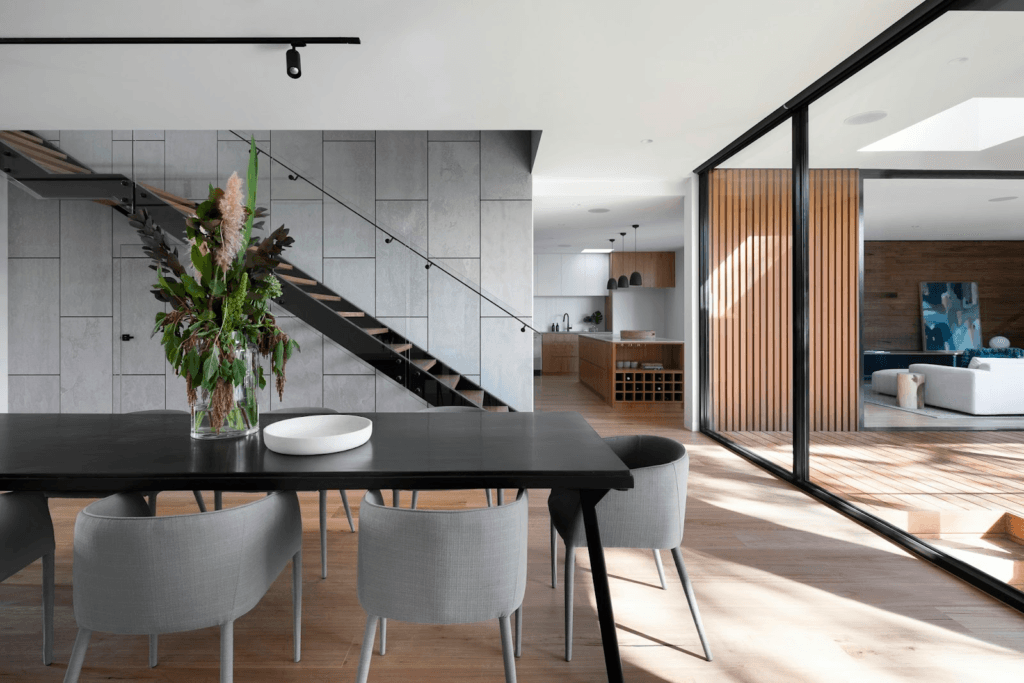
While kitchen improvements enhance your indoor experience, don’t overlook the potential of your outdoor spaces. The concept of indoor-outdoor living has gained tremendous popularity, and for good reason. These spaces serve as natural extensions of your home, providing areas for relaxation, entertainment, and connection with nature.
Your outdoor areas can serve multiple purposes throughout the year. During warmer months, they become outdoor dining rooms, reading nooks, and entertainment zones. Even in cooler weather, well-designed outdoor spaces can provide peaceful retreats where you can enjoy fresh air and natural light.
The key to successful outdoor living spaces lies in choosing materials and designs that can withstand the elements while maintaining their beauty and functionality. Weather resistance, durability, and low maintenance requirements are essential factors to consider when planning outdoor improvements.
Consider how you currently use your outdoor space and how you’d like to use it in the future. Do you envision hosting barbecues and dinner parties? Would you prefer a quiet space for morning coffee and evening reflection? Or perhaps you need a combination of both? Understanding your goals will help guide your decision-making process.
The Benefits of Composite Decking Solutions
When it comes to outdoor flooring, composite decking has emerged as a superior alternative to traditional wood decking. This innovative material combines the natural beauty of wood with the durability and low maintenance requirements of synthetic materials, creating an ideal solution for modern outdoor living.
Composite decking offers numerous advantages that make it an attractive choice for homeowners seeking long-term value. Unlike traditional wood, composite materials resist fading, staining, and weathering, maintaining their appearance year after year with minimal maintenance. This durability means you can spend more time enjoying your outdoor space and less time maintaining it.
The safety features of composite decking are particularly noteworthy. Many composite products include slip-resistant surfaces and splinter-free finishes, making them safer for barefoot walking and more comfortable for children at play. These safety features don’t compromise the material’s aesthetic appeal, as modern composite decking comes in various colors and textures that closely mimic natural wood.
From an environmental perspective, many composite decking products incorporate recycled materials, making them an eco-friendly choice for environmentally conscious homeowners. This sustainability aspect, combined with their longevity, makes composite decking a responsible choice for long-term outdoor living solutions.
Installation flexibility is another advantage of composite decking systems. These materials can be used to create various outdoor features, from simple deck replacements to elaborate multi-level outdoor living areas. The versatility of composite materials allows for creative designs that complement your home’s architecture and your personal style preferences.
Planning Your Home Improvement Timeline
Successful home improvements require careful planning and realistic timelines. Rather than attempting to upgrade everything at once, consider prioritizing improvements based on your immediate needs, available budget, and long-term goals. This strategic approach allows you to spread costs over time while ensuring that each upgrade receives proper attention and planning.
Start by assessing your current spaces and identifying the areas that would benefit most from immediate attention. Consider factors such as safety concerns, daily inconveniences, and spaces that no longer meet your family’s needs. This assessment will help you prioritize improvements that will have the greatest impact on your daily life.
Budget considerations play a crucial role in timing your improvements. While some upgrades require significant upfront investment, they often provide substantial long-term savings through improved energy efficiency, reduced maintenance costs, and increased property value. Understanding these long-term benefits can help you make informed decisions about where to invest your improvement dollars.
Seasonal factors also influence improvement timing. Some projects are best undertaken during specific times of the year due to weather conditions, contractor availability, and material costs. Planning improvements around these seasonal considerations can help you achieve better results while potentially saving money.
Maximizing Return on Investment
Home improvements should be viewed as investments in your daily quality of life and your property’s long-term value. The most successful improvements are those that provide immediate benefits while also contributing to your home’s overall appeal and marketability.
Kitchen improvements typically offer excellent returns on investment, especially when they focus on functionality and energy efficiency. Modern appliances, improved storage solutions, and updated finishes can significantly enhance your daily cooking experience while appealing to potential future buyers.
Outdoor improvements also provide strong returns, particularly in regions where outdoor living is valued. Quality decking and outdoor living spaces extend your home’s usable area and create additional entertainment opportunities, features that many homebuyers actively seek.

Maintenance and Long-Term Care
Investing in quality improvements is only the first step—proper maintenance ensures that your upgrades continue to provide value for years to come. Understanding the maintenance requirements of your chosen improvements helps you plan for long-term care and preserve your investment.
Modern appliances and materials are designed to minimize maintenance requirements, but they still benefit from regular care and attention. Establishing maintenance routines early helps prevent minor issues from becoming major problems and extends the useful life of your improvements.
Consider creating maintenance schedules that align with seasonal changes and your family’s routine. Regular cleaning, periodic inspections, and prompt attention to minor issues can prevent costly repairs and keep your improvements looking and functioning like new.
Documentation is also important for long-term maintenance success. Keep records of warranties, installation details, and maintenance activities. This information proves valuable for future repairs, warranty claims, and when it comes time to sell your home.
The Environmental Impact of Smart Home Choices
Today’s homeowners are increasingly conscious of their environmental impact, and home improvements provide excellent opportunities to make environmentally responsible choices. Energy-efficient appliances, sustainable materials, and thoughtful design decisions can significantly reduce your home’s environmental footprint while providing superior performance and comfort.
Consider the lifecycle impact of your improvement choices. While some options may have higher upfront costs, their long-term environmental benefits and reduced operating costs often make them more attractive over time. This perspective helps you make decisions that benefit both your family and the environment.
Water conservation is another important consideration, particularly for outdoor improvements. Choose materials and designs that work with natural drainage patterns and consider incorporating features that help manage rainwater runoff effectively.
Making It All Come Together
The most successful home improvements are those that work together to create cohesive, functional living spaces. Rather than viewing kitchen and outdoor improvements as separate projects, consider how they can complement each other to enhance your overall living experience.
For example, efficient indoor cooking capabilities can be complemented by outdoor entertaining spaces, creating opportunities for seamless indoor-outdoor entertaining. Similarly, the easy maintenance features of modern appliances and composite materials can reduce your overall home maintenance burden, giving you more time to enjoy your improved spaces.
Your home improvements should reflect your family’s lifestyle and preferences while providing practical benefits that enhance daily living. By choosing quality materials, planning carefully, and considering long-term benefits, you can create spaces that serve your family well for years to come.
The journey of home improvement is ongoing, with each upgrade building upon previous improvements to create increasingly comfortable, efficient, and beautiful living spaces. Whether you’re starting with a single room or planning comprehensive improvements, the key is to make thoughtful choices that align with your goals and provide lasting value.
Remember that home improvement is a personal journey, and the best improvements are those that make your daily life more comfortable, convenient, and enjoyable. Take time to plan carefully, choose quality materials and products, and don’t hesitate to seek professional guidance when needed. Your home is worth the investment, and thoughtful improvements will provide benefits that extend far beyond their initial cost.