Key Considerations for Choosing the Right Air Conditioner
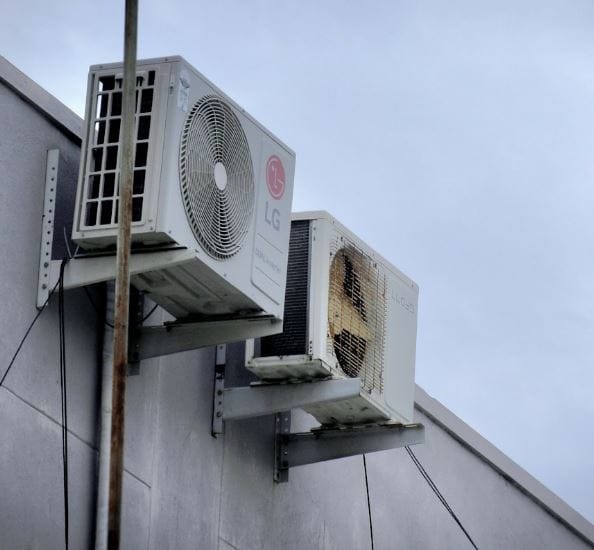
Selecting an air conditioner is a decision that can have long-lasting effects on your lifestyle, energy bills, and indoor air quality. With various types of air conditioners available, ranging from window units to central systems, understand your unique needs before committing. Here, we will highlight some key considerations to make an informed choice and keep your home cool and energy-efficient.
Assess Your Cooling Needs
Before diving into the specifics of different air conditioning systems, evaluate your cooling requirements. Determine the size of the area you want to cool: it will influence the type of air conditioner you choose and its efficiency. Residential cooling needs can vary depending on local climate, insulation quality, room orientation, and the number of windows. A well-insulated room may require less cooling power compared to a poorly insulated one.
Consult a cooling load calculator or a professional to accurately gauge your needs. Remember, a unit that is too small will struggle to cool your space efficiently, leading to higher energy costs and increased wear and tear. An oversized AC can lead to short cycling, which can decrease efficiency and lifespan. A professional assessment will help you find the right balance.
Installation and Maintenance
The installation process and maintenance regimens maintain your air conditioner’s performance over the years. Hiring the right professionals to get your AC installed properly will maximize the efficiency and effectiveness of the unit. Experienced technicians understand how to implement units to avoid future problems and can help you set up a schedule for effective maintenance.
Routine maintenance keeps your air conditioning unit functioning optimally. You should change or clean air filters regularly, as dirty filters obstruct airflow and force the unit to work harder and consume more energy. Annual inspections by a licensed technician can detect any potential issues before they escalate. Setting up a maintenance contract with your installer could relieve you of many responsibilities, and your system remains in top shape.
Types of Air Conditioners
Air conditioners come in various types, each designed to meet specific needs. Central air conditioning systems are ideal for cooling large areas and can be quite effective for entire homes. They circulate cool air through ducts and can improve indoor air quality through filtration. Installation can be expensive and requires a significant upfront investment.
Window units are a more economical option for cooling individual rooms. They are easy to install and can be energy-efficient, but their cooling capacity is limited to a single room. Split air conditioning systems provide the benefits of both central and window units, offering flexibility and efficiency without the need for ductwork. Understanding your preferences and budget will guide your choice so that you pick the most suitable type for your living environment.
Energy Efficiency Ratings
Energy efficiency ratings are worth paying attention to. The SEER (Seasonal Energy Efficiency Ratio) rating indicates how much cooling output an air conditioner provides relative to the amount of energy it consumes. Higher SEER values signify better energy efficiency, which translates to lower electricity bills. Models with high ratings might involve a higher initial cost, but they save you money by reducing energy consumption over their operational lifespan.
Energy Star-rated units comply with strict guidelines set by the U.S. Environmental Protection Agency, knowing that you’re investing in a greener option. This reduces your carbon footprint and contributes to long-term savings on utility bills. Evaluate these ratings when selecting your air conditioner to gauge its efficiency in meeting your needs.
Cost Considerations
The urgency to stay cool might lead you to rush the purchasing process. Know that the financial implications should be a driving factor behind your decision-making. The initial cost of the air conditioning unit itself is just part of the overall expenditure. Installation costs can add to your budget, with central systems that require ductwork and professional setup.
More expensive units with higher energy efficiency ratings may lead to lower utility costs, making them more cost-effective in the long run. Factor in maintenance and repair costs, too. Some models require more upkeep than others. Investing in quality can save you headaches. Carrying out thorough research against your budget assures you of finding a balance between quality and affordability.
Noise Levels and Comfort Features
Many modern air conditioning units are designed with noise reduction technologies for bedroom and living areas, where excessive noise can be disruptive. Look for models that advertise their low noise levels during operation.
Most units come with features designed to improve comfort, such as programmable thermostats, humidity control, and air purification systems. Humidity can impact comfort levels, so opt for a unit with dehumidifying capabilities that can improve the feel of your space. Integrating technology into your air conditioning can automate temperature adjustments according to your routine. Exploring these features can increase your satisfaction and add to your home experience.
Once you weigh these considerations carefully, you can make an informed decision when choosing an air conditioner that suits your needs, lifestyle, and budget. Both the immediate comfort and long-term efficiency of your cooling system will contribute positively to your home environment.