When Your Signature Isn’t Enough: Documents That Need Extra Proof
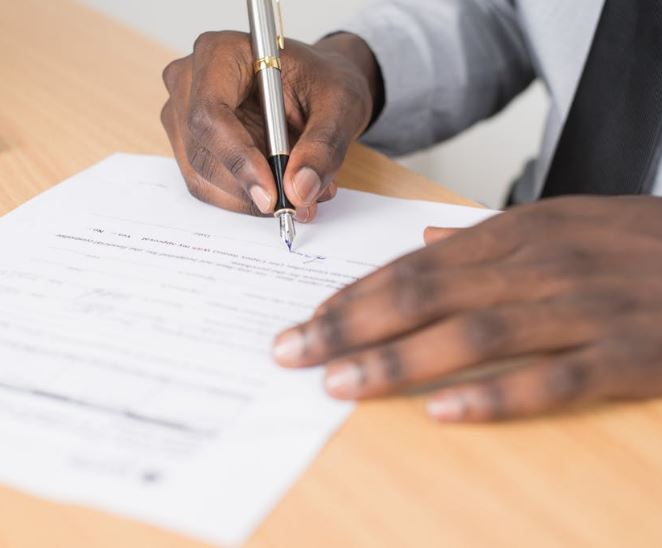
Most people think their signature is enough to make any document official. They grab a pen, scribble their name, and assume everything is legally binding. But here’s the thing – some papers need way more than just your regular signature to actually mean something in the eyes of the law.
Think about it this way: anyone can forge a signature. Your neighbor could probably copy your name pretty well if they practiced for a few minutes. That’s exactly why certain documents require extra steps to prove they’re real and that you actually signed them willingly.
What Makes Some Documents Special
The reason some papers need extra proof comes down to how important they are and what could happen if someone faked them. When you’re signing something that could transfer ownership of your house, give someone control over your money, or make major legal decisions for you, the stakes are incredibly high.
Regular contracts for everyday things don’t usually need this extra step. But when documents involve serious money, property, or legal powers, that’s when your simple signature stops being enough. The law requires these papers to go through a special process to make sure nobody’s trying to pull a fast one.
Property Documents That Need the Extra Step
Anything involving real estate almost always requires notarization. When you buy or sell a house, the deed that transfers ownership must be notarized. Same goes for mortgage papers – banks won’t accept them without that official stamp and signature from a notary.
Property documents are serious business because houses and land are usually people’s most valuable possessions. If someone could easily fake these papers, they could literally steal someone’s home. For professional help with these important documents in South Australia, services through BSG Notary Public Adelaide can ensure everything is handled correctly and legally.
Rental agreements for commercial properties also typically need notarization, especially when they involve large amounts of money or long-term commitments. The extra verification protects both landlords and tenants from potential fraud.
Legal Powers and Medical Decisions
Power of attorney documents are another big category that requires notarization. These papers give someone else the legal right to make decisions for you, whether it’s about your money, your property, or your medical care. Since these documents hand over serious control to another person, they absolutely must be notarized to prevent abuse.
Medical directives and living wills also need this extra verification. These papers tell doctors and hospitals what you want done if you can’t speak for yourself during a medical emergency. Because these decisions can literally be life or death, the law requires proof that you really did sign these documents and understood what they meant.
Guardianship papers for children or elderly relatives need notarization too. When someone becomes legally responsible for another person, there’s no room for fake documents or forged signatures.
Financial Documents and Major Contracts
Bank documents often require notarization, especially when large amounts of money are involved. Loan applications, certain account changes, and documents that give someone access to your accounts typically need this extra step.
Insurance claims over certain amounts usually need notarized statements. When someone’s claiming thousands of dollars in damages, insurance companies want to make sure the claim is legitimate and that the person filing it is really who they say they are.
Business partnership agreements and corporate documents almost always require notarization. When people are going into business together or making major changes to how a company operates, these papers need to be ironclad to prevent disputes later.
Court Documents and Legal Proceedings
Anything filed with a court typically needs to be notarized. Affidavits, which are sworn statements used as evidence in legal cases, must have a notary’s seal to be accepted. These documents often contain testimony or facts that could determine the outcome of a lawsuit, so their authenticity is crucial.
Adoption papers, divorce agreements, and custody arrangements all require notarization. These documents change people’s legal relationships and family structures, so there’s no room for uncertainty about whether they’re genuine.
Bankruptcy filings and other major legal proceedings also need notarized documents. When someone’s entire financial future is at stake, every piece of paperwork must be verified and official.
International Documents
Papers that will be used in other countries almost always need notarization, and often require additional steps beyond that. Birth certificates, marriage licenses, and educational transcripts typically need to be notarized before they can be used abroad for things such as visa applications or international business.
These international requirements exist because different countries need to trust that foreign documents are legitimate. A notary’s seal provides that first level of verification that other governments will recognize.
Why This Extra Step Matters
The main point of requiring notarization is to prevent fraud and protect everyone involved. When a notary verifies your identity and watches you sign a document, it becomes much harder for someone to claim later that the signature was forged or that you didn’t understand what you were signing.
This process also creates a clear record of when and where the document was signed, which can be important if there are ever legal questions about it. The notary keeps records of everything they witness, providing an extra layer of protection for everyone.
Understanding when your regular signature isn’t enough can save you time, money, and major headaches down the road. Whether you’re buying property, making medical decisions, or handling important business matters, knowing which documents need that extra official touch helps ensure everything goes smoothly and stays legally sound.