Effects of Screen Time on Children’s Development and Behavior
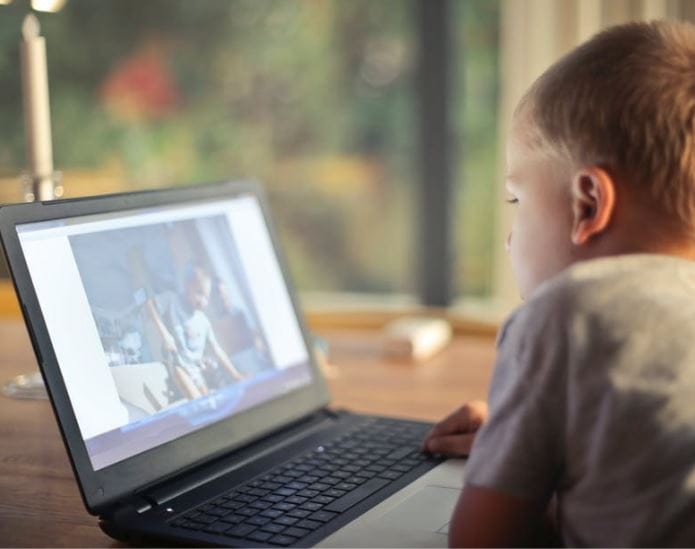
The prevalence of technology in children’s lives continues to increase dramatically, raising concerns among parents and educators. As tablets, smartphones, and computers become integral tools for education and entertainment, the question arises: how does increased screen time impact children’s development and behavior?
Screens provide opportunities to learn and connect, yet there is a growing body of research suggesting that excessive exposure may hinder a child’s cognitive, physical, and emotional growth. Parents strive to find a balance between the benefits of technology and the risks associated with it.
Physical Effects of Screen Time
Many children today are spending hours in front of screens, which can contribute to a sedentary lifestyle. Physical inactivity among children can cause obesity, heart disease, and even diabetes. Prolonged screen time results in poor posture and musculoskeletal problems. These physical effects can deter participation in sports or outdoor activities, compounding the risks of a sedentary lifestyle.
Know that reducing screen time may boost physical activity levels and counter the risks mentioned. Encouraging structured recreational activities that get kids moving will help counterbalance the excessive screen exposure prevalent today. Integrate physical fitness into daily routines for healthy growth.
Physical Protectiveness Against Screen Time Effects
To mitigate the negative impacts of screen time, invest in protective tools for children. The most useful option may be kids’ screen safety glasses, which are designed to filter out harmful blue light emitted by screens. Blue light can disrupt a child’s sleep cycle and cause eye strain, impacting well-being. Employing such protective measures can help parents safeguard their children from the adverse effects of prolonged screen exposure.
Awareness about taking frequent breaks during screen sessions can combat eye-related issues. Simple rules like the 20-20-20 rule, where kids take a 20-second break to look at something 20 feet away every 20 minutes, can improve eye health. Making mindful choices regarding screen use can help children enjoy technology and avoid compromising their health.
The Cognitive Impact of Excessive Screen Time
Cognitive development is heavily affected by screen time. Children who spend too much time in front of screens may struggle with attention issues and impaired learning abilities. Excessive screen exposure can limit a child’s ability to engage in reading, creative play, and hands-on learning.
Early exposure to screens may result in poor academic performance. As parents take note of these findings, setting appropriate screen time limits that promote healthier developmental outcomes is a necessary measure.
Emotional and Social Development
Screen time has been linked to emotional and social development challenges. Engaging in screen-based activities can make it difficult for children to manage emotions. Social skills can decline, as screen-based interactions do not provide the same depth of communication and understanding as face-to-face encounters.
Research shows that teens who spend plenty of hours on screens are at a higher risk for mental health issues compared to their peers who do not. Parents must create an environment where children can engage in social interactions not mediated by screens, encouraging communication and emotional intelligence. Shared activities, whether in person or through hobbies, can greatly add to a child’s emotional resilience.
The Role of Quality Content
The quantity of screen time is a worrying aspect, and even the quality of the screen time consumed. Parents must be vigilant about monitoring what their children are accessing online and check if they are engaging with quality programming that can benefit their learning. Interactive games that promote problem-solving and critical thinking skills can be beneficial.
Unmonitored exposure to violent or inappropriate content can have lasting negative effects on children’s behavior and attitudes. Choosing appropriate programming that is developmentally suitable can help reduce some harmful effects of screen time and maximize learning potential. Encouraging children to use screens as tools for creativity and exploration can cultivate a positive relationship with technology.
Setting Boundaries and Guidelines
Setting specific time limits for recreational and educational screen use aids in creating balance. Flexible rules regarding technology usage during family meals can encourage meaningful conversations and build connections. For younger children, parents might consider technologies like parental controls and monitoring tools to track screen usage.
Engaging children in the discussion about these limits can help them take responsibility for their technology use. Encouraging children to pursue reading or outdoor play can boost their developmental experience. Creating a family technology plan can open the way for healthy screen habits and take advantage of what technology provides.
Reducing screen time and improving screen habits can have far-reaching effects on children’s development and behavior. As technology continues to play a significant role in their lives, education about proper use is a must. By remaining informed and proactive, parents can help their children navigate a technology-rich world to support their development.