How the Sound of Rain Can Warn You About Home Issues
Rain is often associated with comfort—a soothing backdrop for relaxation, sleep, or quiet reflection. The rhythmic patter against the roof, the gentle trickle down gutters, and the distant drumming on windows can create a sense of peace. However, not all rain sounds are created equal. If you listen closely, the noises produced during a storm can reveal hidden problems in your home. From leaky roofs to failing gutters, the sound of rain can serve as an early warning system, alerting you to issues before they escalate into costly repairs.
The Different Sounds of Rain and What They Mean
1. A Steady Drip Inside: The Obvious Red Flag
According to one of gutter cleaning in Moon Township company the most alarming sound during rainfall is the unmistakable plink of water dripping inside your home. Whether it’s landing on a hardwood floor, a carpet, or—worse—an electrical fixture, an indoor drip signals an active leak. The location of the sound can help pinpoint the problem:
- Ceiling Drips → Likely a roof leak or damaged flashing around chimneys or vents.
- Wall Drips → Could indicate compromised siding or a failing seal around windows.
- Basement Drips → Often a sign of foundation cracks or poor drainage outside.
Ignoring these sounds can lead to mold growth, structural damage, and even electrical hazards.
2. A Hollow Drumming on the Roof: Worn or Missing Shingles
A healthy roof should produce a consistent, muffled thud as rain hits it. If you notice a sharper, almost hollow drumming sound in certain spots, it may mean that shingles are damaged, loose, or missing. Over time, exposed underlayment or decking absorbs water, leading to rot and leaks.
What to do: After the storm, inspect your roof (or hire a professional) for curled, cracked, or absent shingles.
3. Loud Gurgling in Gutters: Clogs or Improper Slope
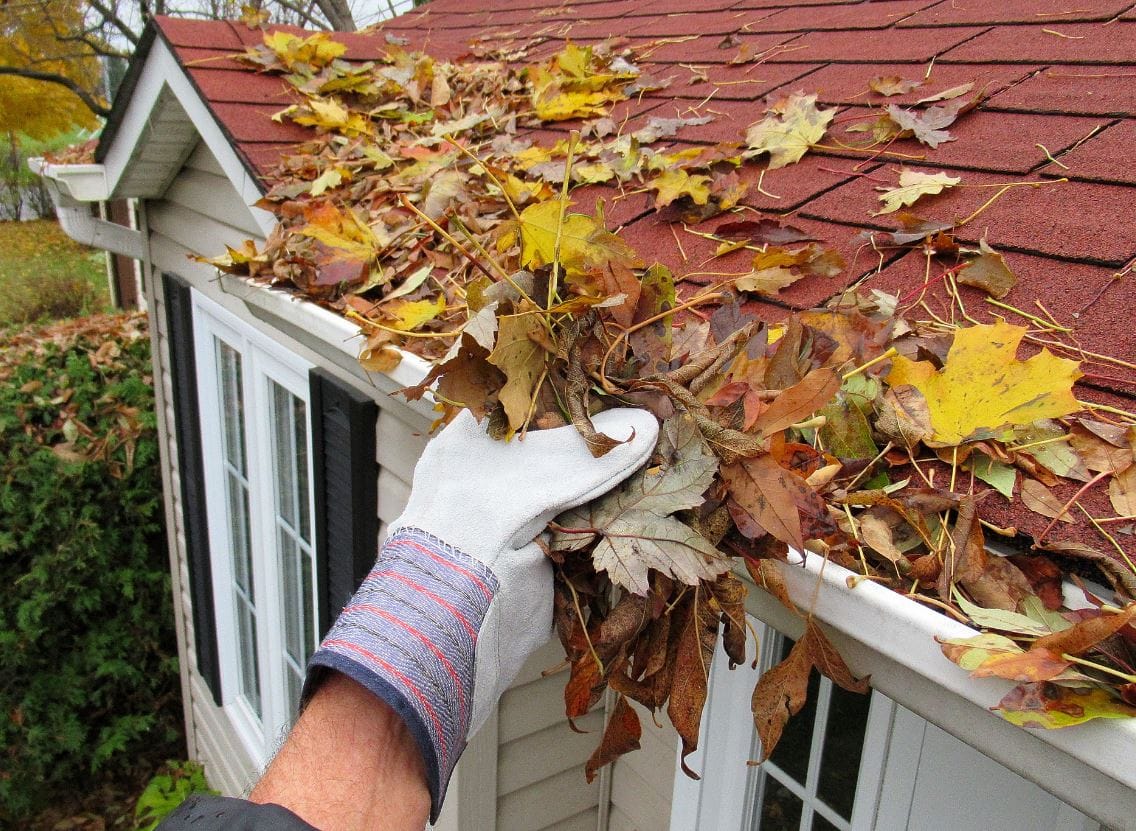
Gutters are designed to channel water away from your home, but when they’re clogged with leaves or debris, rainwater has nowhere to go. Instead of a smooth flow, you’ll hear erratic gurgling or even splashing as water spills over the sides. This can lead to:
- Fascia board rot from constant water exposure.
- Foundation erosion due to improper drainage.
- Ice dams in winter, which worsen roof damage.
Solution: Clean gutters regularly and ensure they’re pitched correctly toward downspouts.
4. A High-Pitched Whistling: Gaps in Windows or Doors
If you hear a faint whistling during wind-driven rain, it’s likely air and moisture seeping through gaps in window frames or door seals. Over time, this moisture can warp wood, encourage mold, and drive up energy bills by letting conditioned air escape.
Fix: Reapply weatherstripping or caulk around problem areas to improve insulation.
5. A Sudden, Loud Crack: Falling Branches or Structural Stress
While not directly caused by rain, the sound of a sharp crack during a storm could signal:
- A tree limb weakened by saturation, about to fall on your roof.
- Structural strain from waterlogged materials (common in older homes).
Action: After severe weather, check for debris on your roof and inspect your attic for signs of stress, like sagging beams.
Why Ignoring These Sounds Is a Mistake
Many homeowners dismiss unusual rain noises as “normal,” but early detection is key to preventing major damage. A small leak can escalate into:
- Mold infestations (costing thousands in remediation).
- Rotting framing (compromising structural integrity).
- Foundation cracks (leading to basement flooding).
How to Proactively Listen for Problems
- Walk your home during rain. Note where sounds are loudest.
- Use a flashlight to inspect attics and basements for moisture.
- Record unusual noises to help contractors diagnose issues.
Final Thoughts
Rain shouldn’t sound like a threat—it should be a calming, natural melody. If your home’s “rain soundtrack” includes drips, gurgles, or whistles, take action. Addressing these sounds early can save you from expensive repairs and keep your home safe and dry for years to come.
Next time it rains, don’t just listen for relaxation—listen for warning signs. Your house might be telling you something important.