The Importance of Quality Flooring: A Guide for Homeowners
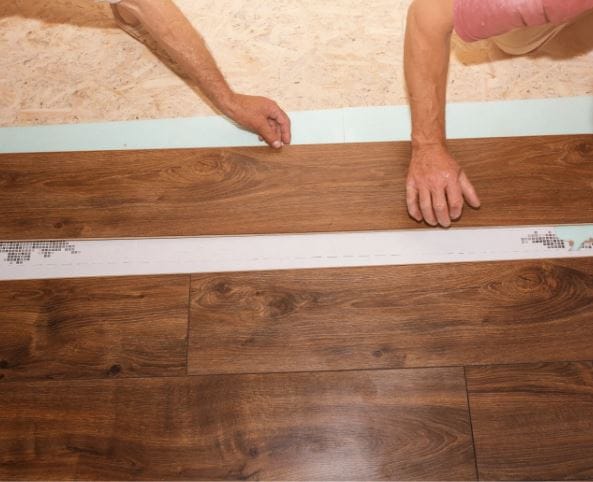
From comfort underfoot to the visual impact of design, the type and quality of flooring influence how homeowners experience and maintain their space. Making the right choice adds beauty and increases property value, improves functionality, and reduces long-term maintenance needs.
While design trends evolve, the fundamentals of quality remain consistent. Durability, ease of care, and compatibility with a household’s lifestyle should guide the selection process. Homeowners who understand how flooring affects their home’s daily livability and long-term performance are more likely to make smart investments that pay off.
The Role of Flooring in Daily Comfort
Flooring plays a direct role in the way people feel at home. Whether it’s the warmth of carpet in a bedroom, the cool smoothness of tile in a kitchen, or the resilience of luxury vinyl in a hallway, different materials offer unique sensory experiences. These tactile qualities can influence comfort, relaxation, and even energy efficiency.
For example, homes in colder climates benefit from flooring that retains warmth, such as hardwood with area rugs or plush carpet. Warmer regions may prioritize tiles that stay cool to the touch and resist heat buildup. Choosing the right flooring for climate and lifestyle enhances the home’s usability and makes it more inviting throughout the year.
Sound absorption is another consideration. Soft materials like cork and carpet dampen noise and are ideal in high-traffic or multi-level homes. This helps create a peaceful environment, particularly in bedrooms, nurseries, or offices.
Durability and Longevity
High-quality flooring stands up to wear and tear, making it a smart long-term investment. Scratches, dents, fading, and moisture damage can all shorten a floor’s lifespan. Choosing materials rated for a home’s specific use case can prevent the need for costly repairs or replacements.
Families with children or pets often benefit from water-resistant laminate or engineered hardwood. Kitchens and entryways, where spills and heavy foot traffic are common, require strong materials like porcelain tile or luxury vinyl. Even in less-used spaces, investing in resilient flooring protects the home’s structure and ensures aesthetic consistency.
Proper installation and ongoing care contribute significantly to a floor’s durability. Materials like hardwood need periodic refinishing, while tile requires attention to grout maintenance. Understanding these needs before selecting a floor ensures that homeowners can commit to the upkeep their choice requires.
Matching Flooring to Lifestyle and Budget
No two households have the same needs, and the best flooring solution takes daily routines into account. For example, homes with active children, indoor pets, or frequent gatherings require scratch-resistant and low-maintenance surfaces. Seniors or individuals with mobility issues may benefit from slip-resistant flooring and cushioned underlayment.
Budget is another major factor, but affordability doesn’t have to mean low quality. Many homeowners turn to discount flooring options that balance performance and aesthetics. Materials like engineered wood or luxury vinyl provide the appearance of more expensive finishes without the price tag or maintenance concerns. Homeowners exploring these alternatives can find a wide range of choices by researching trusted suppliers of flooring and asking the right questions about wear ratings and warranties. These steps ensure that the chosen product aligns with their expectations and lifestyle needs.
Visual Impact and Design Cohesion
Flooring creates continuity throughout a home and significantly influences its visual flow. A consistent palette of materials can make smaller spaces appear larger, while contrasting textures add dimension and character. Whether aiming for a rustic, modern, traditional, or eclectic aesthetic, flooring serves as the foundation for all other design choices.
Color, plank width, and material patterning contribute to a space’s mood. Lighter floors brighten rooms and reflect natural light, which works well in compact or dark spaces. Darker tones offer richness and sophistication, often complementing traditional decor or large open layouts.
Many homeowners explore options like herringbone patterns, wide planks, or eco-friendly finishes to enhance visual appeal. These stylistic choices not only reflect personality but can also elevate the home’s market appeal if reselling is a future goal.
Health and Air Quality Considerations
The impact of flooring on indoor air quality is often underestimated. Some materials release volatile organic compounds (VOCs), particularly when new or treated with certain adhesives. Choosing low-VOC products helps reduce airborne toxins and supports healthier indoor environments.
Hypoallergenic flooring, such as tile, wood, or vinyl, resists dust and allergen buildup, making it suitable for households with respiratory sensitivities. Regular maintenance, such as vacuuming and mopping, helps further minimize health risks.
Seamless or well-installed flooring reduces the chance of mold or mildew growth by preventing moisture from seeping underneath. This makes proper material selection and installation particularly important in bathrooms, kitchens, and basements.
Eco-Friendly Flooring Choices
Sustainable flooring options are growing in popularity among environmentally conscious homeowners. Bamboo, cork, and reclaimed wood are renewable resources that provide unique aesthetics while minimizing environmental impact. These materials often come with certifications that indicate ethical sourcing and low emissions.
Recycled content and efficient manufacturing processes further reduce a floor’s carbon footprint. For those aiming to build or remodel with sustainability in mind, understanding the life cycle of flooring products, from production to disposal, can guide better decisions.
Incorporating sustainable flooring is not just good for the environment; it reflects a broader commitment to healthy living and responsible choices. It aligns home design with personal values and contributes to a more ethical home-building industry.
Planning for Maintenance and Repairs
Even the best flooring will eventually require care. Planning ahead for maintenance needs ensures that homeowners can preserve appearance and function without unnecessary stress. Some materials need sealing or refinishing, while others simply require routine cleaning.
Tile and stone may need grout resealing every few years. Hardwood benefits from occasional polishing or sanding. Carpeting requires deep cleaning to remove dirt and allergens. Knowing these expectations upfront prevents surprises and keeps floors looking their best.
Repairs should also be considered during the selection process. Are replacement planks or tiles available if damage occurs? Can small areas be patched without replacing an entire floor? These practical questions affect the long-term convenience and cost of maintaining any flooring investment.
Flooring is a functional and aesthetic cornerstone of every home. By prioritizing quality, considering daily habits, and planning for long-term care, homeowners can choose flooring that enhances comfort, supports health, and reflects personal style. Informed decisions lead to better results, turning each room into a space that feels as good as it looks.