Seasonal Pest Activity in Birmingham: Effective Preparation and Prevention
Birmingham, with its humid subtropical climate, experiences distinct seasonal changes that influence pest activity throughout the year. From ants and mosquitoes in the summer to rodents and spiders in the fall, homeowners and businesses must stay vigilant to prevent infestations. Understanding seasonal pest patterns and implementing proactive measures can save you from costly extermination services and health risks associated with pests.
This comprehensive guide will explore:
- Common pests in Birmingham by season
- Why seasonal pest control matters
- Effective prevention strategies
- When to call a professional
By the end of this article, you’ll have a clear action plan to keep your property pest-free year-round.
Chapter 1: Understanding Birmingham’s Pest Seasons
Spring (March – May): The Awakening of Pests
As temperatures rise, dormant pests become active, seeking food, water, and shelter. Common spring pests in Birmingham include:
- Ants – Odorous house ants and carpenter ants invade homes in search of food.
- Termites – Swarming season begins, with subterranean termites causing structural damage.
- Mosquitoes – Standing water from spring rains creates breeding grounds.
- Spiders – As insects emerge, spiders follow, often entering homes.
Prevention Tips for Spring:
✔ Seal cracks around windows and doors.
✔ Eliminate standing water to deter mosquitoes.
✔ Store firewood away from the house to prevent termites.
✔ Schedule a termite inspection if you notice mud tubes or discarded wings.
Summer (June – August): Peak Pest Activity
Birmingham’s hot, humid summers create ideal conditions for pests to thrive. Key summer pests include:
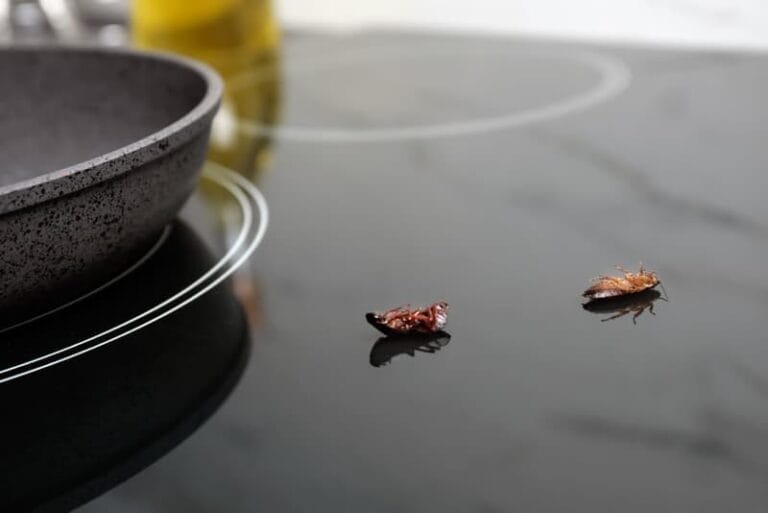
- Cockroaches – German and American cockroaches spread bacteria and trigger allergies.
- Bed Bugs – Travel increases, leading to infestations in homes and hotels.
- Fleas & Ticks – Pets and wildlife bring these pests indoors.
- Wasps & Bees – Nests become aggressive if disturbed.
Prevention Tips for Summer:
✔ Keep kitchens clean and store food in airtight containers.
✔ Wash bedding frequently and inspect luggage after traveling.
✔ Treat pets with flea and tick preventatives.
✔ Remove wasp nests early in the season before they grow.
Fall (September – November): Pests Seek Shelter
As temperatures drop, pests move indoors for warmth. Common fall invaders include:
- Rodents (Mice & Rats) – They enter through small gaps, contaminating food and chewing wires.
- Spiders – Wolf spiders and brown recluses seek refuge in basements and attics.
- Stink Bugs – These nuisance pests cluster on walls and windows.
Prevention Tips for Fall:
✔ Install door sweeps and repair damaged screens.
✔ Store firewood at least 20 feet from the house.
✔ Use weather stripping to seal gaps around pipes and vents.
Winter (December – February): Indoor Infestations Rise
While some pests hibernate, others remain active indoors:
- Cockroaches – Thrive in warm, damp areas like basements.
- Rodents – Mice and rats nest in walls and attics.
- Silverfish – Feed on paper and fabrics in humid areas.
Prevention Tips for Winter:
✔ Dehumidify basements and crawl spaces.
✔ Inspect attics for rodent droppings.
✔ Keep storage areas clutter-free.
Chapter 2: Why Seasonal Pest Control Matters
Ignoring seasonal pest patterns can lead to:
- Property Damage – Termites and rodents cause costly structural issues.
- Health Risks – Mosquitoes carry West Nile virus; cockroaches trigger asthma.
- Increased Infestations – A small problem can escalate quickly.
Proactive vs. Reactive Pest Control:
- Proactive (preventative measures) saves money and stress.
- Reactive (emergency extermination) is often more expensive.
Chapter 3: Effective Prevention Strategies
1. Exclusion Techniques
- Seal cracks with silicone caulk.
- Install chimney caps and mesh screens on vents.
2. Sanitation Practices
- Take out trash regularly.
- Clean spills immediately to avoid attracting ants and roaches.
3. Landscaping Adjustments
- Trim bushes away from the house.
- Keep gutters clean to prevent standing water.
4. Natural & Chemical Solutions
- Use diatomaceous earth for crawling insects.
- Apply EPA-approved insecticides in problem areas.
Chapter 4: When to Call a Professional
While DIY methods help, some situations require expert intervention:
✅ Termite infestations – Professionals use specialized treatments.
✅ Large rodent populations – Traps may not be enough.
✅ Recurring bed bug problems – Heat treatments are often necessary.
Choosing a Pest Control Company:
✔ Look for licensed, insured providers.
✔ Read reviews and ask for guarantees.
Conclusion: Stay Ahead of Pests Year-Round
By understanding Birmingham’s seasonal pest activity and implementing preventative measures, you can protect your home and family from infestations. Regular inspections, proper sanitation, and timely professional help will ensure a pest-free environment in every season.
Take Action Today:
- Inspect your home for entry points.
- Schedule a seasonal pest control service.
- Educate your family on pest prevention habits.
With the right approach, you can enjoy a comfortable, pest-free home all year long!