Why Commercial Kitchens Must Prioritize Routine Grease Trap Maintenance
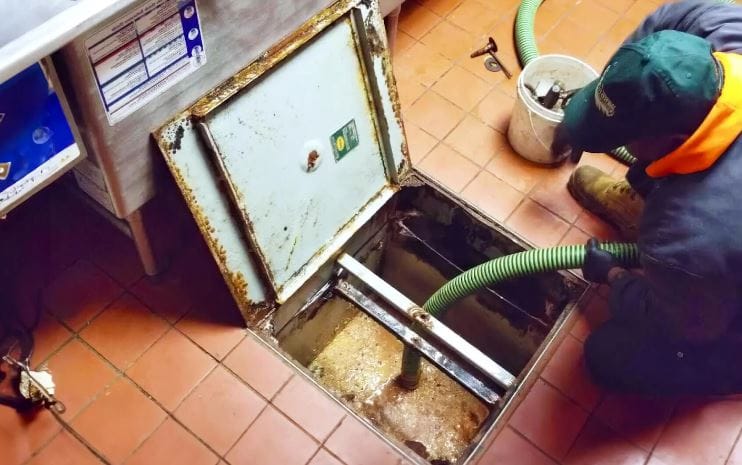
The day-to-day business of restaurant owners and the operators of commercial kitchens is all about the preparation of food, service, and management of the staff. The grease tap is however one critical system that is ignored until issues arise. Fats, oils, and grease (FOG) are unavoidable products of cooking processes, and the adequate control of these substances by implementing regular maintenance is the key to keeping the operational processes efficient, regulatory, and eco-friendly and financially sound. Failure to maintain grease pits results in trickle down effects that can bring a business to a standstill and create a bad image of a restaurant.
Knowledge of the Consequences of FOG Accumulation
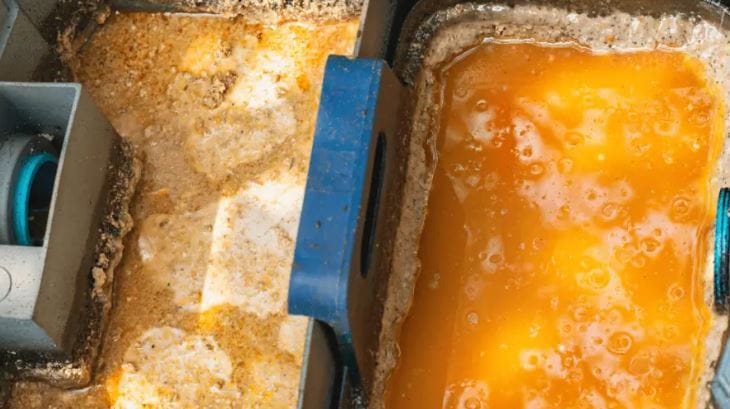
The untreated grease-contaminated wastewater that flows into the kitchen plumbing system will solidify at the lower temperatures of the refrigeration system covering the inside walls of the pipes and sewerage lines. This accumulation inhibits water flow which ultimately leads to total blockages. Once the blocks develop, the kitchen processes come to a standstill, sinks reverse, the dishwashers run out of capacity, and the bathrooms become unusable. Such operational hiccups translate to lost revenues, possible loss of customers and emergency repair costs which are way beyond the cost of maintenance prevention.
In addition to operational interruption, untended grease build up poses imminent health and safety risks. FOG collected turns into a breeding site to bacteria, emits bad smells which spread throughout the restaurant, and draws pests like rodents and cockroaches. The inspection of the health department is especially strict when it comes to food service establishments and lack of proper FOG management may lead to citations, fines, or even close-down-which is disastrous to the business processes and customer confidence.
Financial Penalties and Regulatory Compliance
Greece traps are required in commercial kitchens and installed and maintained by most jurisdictions, including Miami-Dade County where the regulations are the most rigorous. These rules are in place to ensure that municipal sewer systems and the environment are not damaged and polluted by FOGs. The operators must secure FOG permits, engage in frequent cleaning schedules and must have numerous records of all maintenance operations.
Violation of these regulations attracts hefty financial fines. Some jurisdictions impose non-compliance fines that are between $100 and 1,000 dollar per day, depending on the severity of the violation. In the case of restaurant owners these accumulating penalties would soon run out of thousands of dollars per month. There is also the possibility of permit suspension and shutdown of business, in case of recurrent violation. Restaurants invest in compliance protection when investing in proper grease tap cleaning and prevent these disastrous financial repercussions. A grease trap cleaning done by professional companies are also guaranteed to address all regulatory standards, maintain proper records, and adhere to the cleaning schedules as per the local laws.
Infrastructure and Environmental Health Protection
Plumbing in commercial kitchen is a big capital project and FOG destruction poses a direct threat to the capital investment. Grease corrosion causes pipes to be weak, lack structural integrity and they require expensive replacement of kitchen fixtures and sewer lines. Also, when FOG gets into municipal sewer pipes, it contaminates water bodies, damages aquatic eco systems, and pollutes ground water. Environmentally friendly kitchen practices and upkeep of grease pits in a responsible manner ensure the safety of their own infrastructures as well as the environment.
Maintenance of Grease Taps Best Practices
To manage FOG, it is necessary to create a standard cleaning plan based on the size of the kitchen and the level of its working activity. Pumping and pressure washing of most commercial kitchens should be done after one to three months. Professional service providers are aware of local regulations, have specialized equipment and provide complete cleaning which the owner-operated maintenance is not able to do. Professional maintenance is complemented by training of the staff on appropriate practices when disposing grease like scraping the plates to the washing machine and not pouring grease down the drain.
Conclusion
The regular maintenance of the grease pits is not a luxury, it is one of the basic operation costs of the responsible and law-abiding commercial kitchens. The focus on the regular professional service allows owners of restaurants to secure their operations, keep their customers healthy and safe, meet the regulations, and prevent emergency repairs. The relatively low price of preventative maintenance is averted by the much higher prices of system failure, fines and reputation loss. In commercial kitchens that are committed to achieving success in the long-term, grease tap care should be a planned operational expense.