How to Remove Gun Powder from Clothes: A Comprehensive Technical Guide
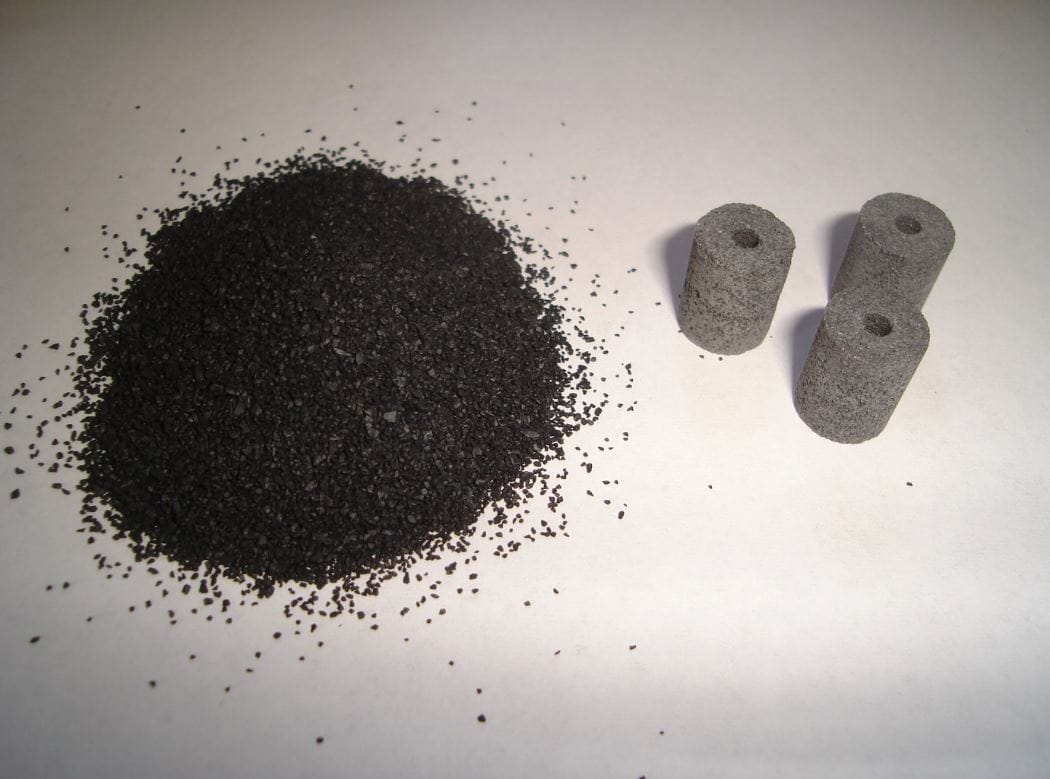
Gunpowder residue on clothing presents a unique cleaning challenge due to its complex chemical composition and the stubborn nature of its adhesion to fabric fibers. Unlike everyday stains, gunpowder residue contains a mixture of burned and unburned propellant particles, primer residues containing heavy metals such as lead, barium, and antimony, and combustion byproducts that can penetrate deep into textile structures . This guide provides a detailed, scientifically-grounded approach to effectively removing gunpowder residues while maintaining fabric integrity and ensuring personal safety.
Understanding the Nature of Gunpowder Residue
Before addressing removal methods, it is essential to understand what you are dealing with. Gunshot residue is not a single substance but a complex matrix of particles formed during firearm discharge.
Chemical Composition of Gunshot Residue (GSR)
| Component Category | Common Compounds | Source |
|---|---|---|
| Primer Residues | Lead, Barium, Antimony, Calcium | Primer compound |
| Propellant Residues | Nitroglycerin, Carbazole, Glycine, Trimethylbenzene isomers, Benzaldehyde, 2-Furaldehyde | Burned/unburned gunpowder |
| Metallic Particles | Copper, Brass, Nickel | Bullet jacketing |
| Combustion Byproducts | Potassium, Sulfur compounds | Propellant combustion |
These particles are extremely small—typically measuring 1 to 10 microns—and can embed themselves in fabric fibers, making removal significantly more challenging than surface-level contamination .
Health and Safety Considerations
Removing gunpowder residue is not merely a cosmetic concern; it is a matter of personal safety. The lead, barium, and antimony present in primer residue are toxic heavy metals. The CDC recommends that individuals who handle firearms regularly monitor blood lead levels, with a surveillance threshold of 5 micrograms per deciliter (µg/dL) .
Essential Safety Protocols:
- Wear nitrile gloves during all cleaning procedures
- Work in a well-ventilated area to avoid inhaling particles
- Wash contaminated clothing separately from other laundry to prevent cross-contamination
- Consider professional cleaning for heavily contaminated garments
Immediate Actions: First Steps After Exposure
Act quickly—the longer residue sits, the more it penetrates fabric fibers and becomes difficult to remove .
- Do Not Rub: Rubbing forces particles deeper into the fabric .
- Vacuum Loose Particles: Using a vacuum cleaner with a HEPA filter and brush attachment, carefully remove surface particles. Professional forensic methods also utilize vacuum collection for residue sampling .
- Isolate the Garment: Place the contaminated clothing in a sealed plastic bag to prevent cross-contamination.
Primary Removal Methods
Method 1: Washing Soda (Sodium Carbonate) Solution
Washing soda is considered one of the most effective agents for dissolving gunpowder residue compounds due to its high alkalinity .
Procedure:
- Prepare Solution: Dissolve 1–2 tablespoons of washing soda (sodium carbonate) in 1 gallon of warm water (100°F–120°F / 38°C–49°C) .
- Application: Apply the solution directly to the affected area and allow it to penetrate for 3–5 minutes .
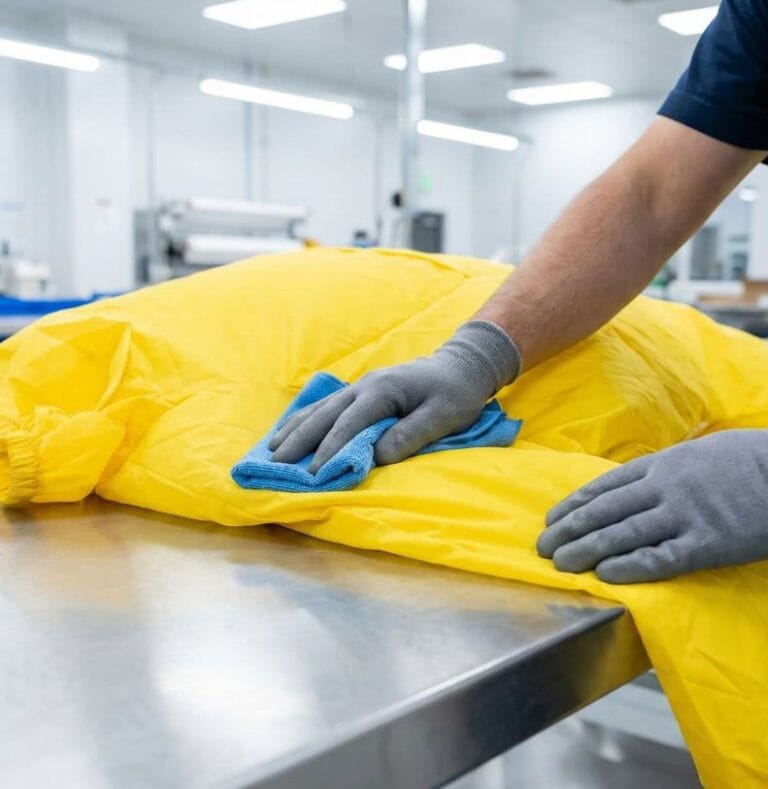
- Agitation: Gently scrub the treated area with a clean cloth using firm, circular motions.
- Rinse: Flush thoroughly with clean water to remove dissolved residue.
- Launder: Wash the garment separately in a complete washing machine cycle with an additional rinse cycle to ensure all lead particles are removed .
Note: Washing soda has a pH of approximately 11.5 and can potentially affect some dyes. Test on an inconspicuous area first .
Method 2: Enzyme-Based Detergent Pre-Treatment
For stubborn residues, enzyme-based laundry detergents can break down organic components of the residue .
Procedure:
- Apply a small amount of enzyme-based detergent directly to the stain
- Allow it to sit for 15–30 minutes
- Launder in cold water—avoid hot water which can set the stain
Method 3: Vinegar Solution for Acid-Sensitive Residues
White vinegar (5% acetic acid) can help break down certain mineral components of residue .
Procedure:
- Mix one part white vinegar with three parts water
- Apply to the stain with a clean cloth
- Blot gently—do not rub
- Rinse thoroughly with water
- Launder as usual
Comparison of Cleaning Methods
| Method | Active Ingredient | pH Level | Effectiveness | Best Suited For | Potential Drawbacks |
|---|---|---|---|---|---|
| Washing Soda Solution | Sodium Carbonate | 11.5 | High | Heavy residues, lead compounds | May affect some dyes |
| Enzyme Detergent | Proteolytic enzymes | Neutral | Moderate-High | Organic residue components | Requires longer soak time |
| White Vinegar | Acetic Acid | 2.4 | Moderate | Mineral deposits | May not fully remove all components |
| Standard Laundry Detergent | Surfactants | 9-10 | Low | Minimal contamination | Inadequate for heavy residues |
| Professional Dry Cleaning | Multiple solvents | Varies | High | Delicate fabrics, all residue types | Cost, chemical exposure |
Specialized Applications and Advanced Techniques
Vacuum Collection Method
Forensic laboratories utilize sophisticated vacuum collection techniques for residue analysis. A portable vacuum sampler with fiberglass or Teflon filters can collect propellant residues from clothing. Extracts are then analyzed using techniques such as Gas Chromatography/Mass Spectrometry (GC/MS) or Ion Mobility Spectrometry (IMS) .
For home use, HEPA-filtered vacuums can effectively remove loose surface particles without specialized laboratory equipment .
Thermal Desorption GC/MS Analysis
Professional forensic analysis uses thermal desorption GC/MS to detect organic GSR compounds including nitroglycerin, carbazole, and various stabilizers. This solvent-free method offers enhanced sensitivity for diverse organic constituents .
Fabric-Specific Considerations
Cotton and Natural Fibers
- More porous, absorb residue deeply
- Washing soda method is generally effective
- May require multiple treatments
Synthetics (Polyester, Nylon)
- Can hold residue more tenaciously
- May require enzyme-based pre-treatment
- Dry cleaning may be more effective
Delicate Fabrics (Silk, Wool)
- Avoid harsh alkaline solutions
- Professional dry cleaning recommended
- Inform the cleaner about GSR presence for appropriate handling
Post-Cleaning Verification
After cleaning, inspect the garment carefully:
- Visual Inspection: Look for any remaining discoloration
- Repeat if Necessary: If residue remains, repeat the pre-treatment and washing process
- Professional Assessment: For forensic or evidentiary purposes, the absence of visible residue does not guarantee complete removal—laboratory analysis would be required for definitive confirmation
When to Seek Professional Help
Consider professional dry cleaning when:
- Multiple home attempts have failed
- The garment is delicate or dry-clean only
- The contamination is extensive
- Legal or evidentiary preservation is required
Inform the professional cleaner about the presence of gunpowder residue so they can use appropriate handling procedures .
Conclusion
Removing gunpowder residue from clothing requires a methodical, scientifically-informed approach. The most effective home method involves using a washing soda solution at the appropriate concentration and temperature, followed by thorough laundering . However, the persistence of these residues—which forensic scientists can detect even after cleaning using advanced analytical techniques—means that complete removal cannot always be guaranteed .
For individuals who regularly handle firearms, implementing proper safety protocols, including prompt cleaning and separate handling of contaminated clothing, is essential for minimizing health risks associated with heavy metal exposure. When in doubt, professional cleaning services provide the most reliable option for ensuring thorough residue removal while preserving fabric integrity.