The Definitive Guide to Removing Oil Stains from Quartz Countertops
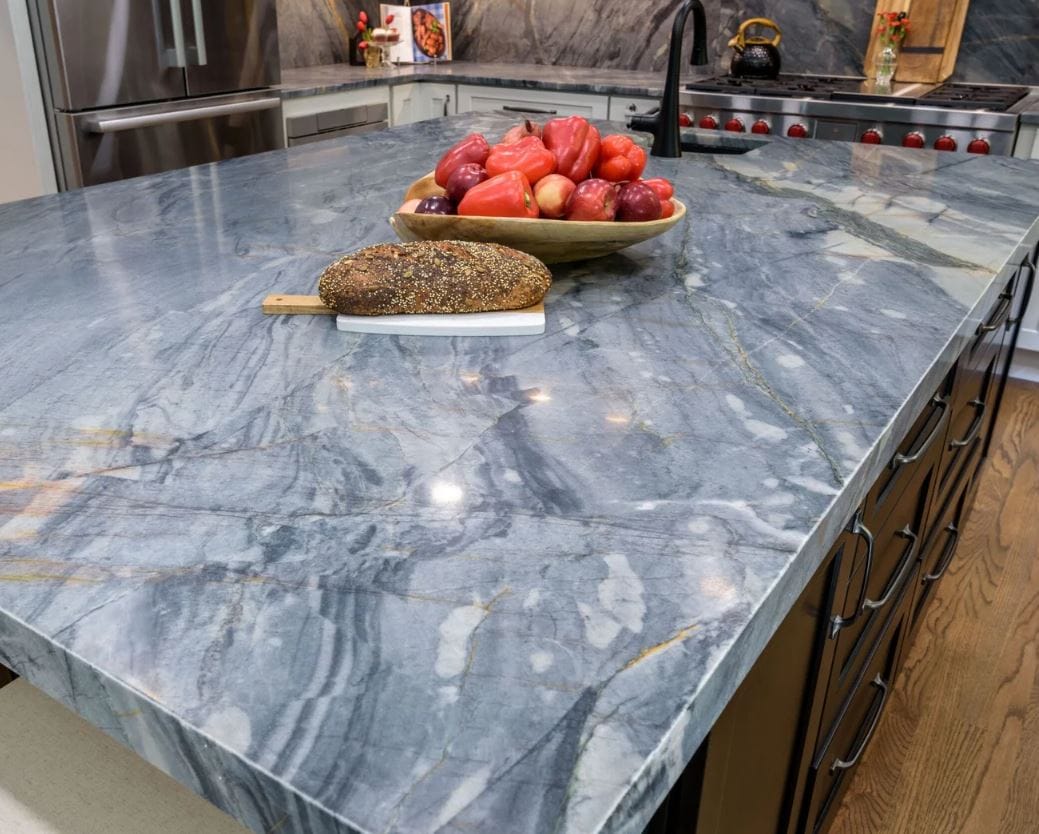
Quartz countertops are a cornerstone of modern kitchen design, prized for their durability, aesthetic appeal, and impressive stain resistance. As an engineered stone composed of approximately 90-95% natural quartz aggregates combined with polymer resins and pigments, quartz is non-porous. This composition means that, unlike natural stone such as granite or marble, liquids generally cannot penetrate the surface . Consequently, an oil stain on quartz is fundamentally a surface issue—oil sits on top or forms a film rather than soaking into the material.
However, this does not mean quartz is entirely stain-proof. Prolonged contact with grease, cooking oils, or oily substances can leave a dull mark or film that is stubborn to remove with simple wiping. Furthermore, using the wrong cleaning agents or tools can cause more damage than the stain itself . This guide provides a professional, methodical approach to removing oil stains from quartz countertops safely and effectively, drawing upon industry expertise and best practices.
Understanding Why Oil Stains Occur on Quartz
The Fundamental Principle: Oil stains on quartz are surface-level phenomena. The resin binders in engineered quartz create a non-porous barrier, preventing oil from penetrating the stone . Instead, the oil leaves a hydrophobic film or residue that dulls the quartz’s polished finish.
Despite this non-porous nature, oil can still cause a persistent mark for two main reasons:
- Polymerized Grease: Cooking oils that have been heated can polymerize (harden) into a plastic-like film, especially around stovetops. This film is chemically different from the original oil and requires a degreaser to break down .
- Residue Buildup: Over time, micro-splashes of oil accumulate in areas near cooking zones, forming an invisible layer that eventually becomes noticeable .
Given that the stain is on the surface, the cleaning strategy should focus on dissolving, emulsifying, and lifting the grease film without damaging the surface finish.
Step-by-Step Guide to Removing Oil Stains
The approach to removing an oil stain from a quartz countertop is progressive. Always start with the mildest method and escalate only if necessary.
Phase 1: Immediate Response & Light Cleaning
This method is effective for fresh oil splashes that have been sitting for less than a few hours.
Method: Mild Dish Soap and Warm Water.
- Supplies: Gentle liquid dish soap (e.g., Dawn, known for its degreasing properties), warm water, and a soft microfiber cloth or non-abrasive sponge .
- Procedure:
- Apply a small amount of dish soap directly to the stain or to a damp microfiber cloth .
- Gently wipe the affected area in a circular motion.
- Critical: Rinse the area thoroughly with clean water. Soap residue can leave a dull film, mimicking a stain .
- Dry the countertop completely with a clean, soft cloth to prevent water spots.
Why this works: Dish soap contains surfactants that break the bond between the grease and the surface, allowing it to be lifted away. Since oil does not penetrate quartz, this is often sufficient for fresh, light stains.
Phase 2: Tackling Dried or Stubborn Grease Film
If the oil has dried or formed a stubborn film, it’s time to use an absorbent powder or a mild abrasive paste.
Method A: Absorbent Powder (Cornstarch or Talcum Powder).
This method is ideal for drawing out greasy residue that has become tacky or has dried on the surface .
- Procedure:
- Ensure the countertop is completely dry.
- Sprinkle a generous mound (anthill-style) of cornstarch or talcum powder directly onto the oil stain .
- Let it sit for at least an hour, or ideally overnight. The powder will slowly absorb the oil from the surface.
- Brush the powder into a trash can. Do not wipe it across the countertop, as this could spread the residue.
- Wipe the area clean with a damp cloth and dry thoroughly.
Method B: Baking Soda Paste.
Baking soda is a mild alkali and a gentle abrasive. It is effective at cutting through light grease films without scratching the polished surface .
- Procedure:
- Mix baking soda with a small amount of water to form a thick paste (consistency of toothpaste) .
- Apply the paste directly to the stain, covering it completely.
- Allow the paste to sit for 10-15 minutes to break down the grease .
- Gently scrub the area in a circular motion with a soft cloth or non-abrasive sponge.
- Rinse thoroughly with clean water and dry.
Phase 3: Heavy-Duty Residue & Polymerized Oil
For oil that has baked on or polymerized, you may need a mild chemical cleaner.
Method: Non-Abrasive Liquid Cleaner.
Some liquid cleansers like Soft Scrub Liquid Gel, Bar Keepers Friend Soft Cleanser, Simple Green, or Mr. Clean are considered safe for quartz when used correctly . These are effective at breaking down hardened grease.
- Procedure:
- Apply a small amount of the cleanser to a damp sponge or cloth. Never pour the product directly onto the countertop, as this can cause localized damage .
- Gently rub the stained area using a circular motion .
- Critical: Limit contact time to no more than a few minutes .
- Rinse the area extremely thoroughly with clean water.
- Wipe dry immediately with a soft towel. It is vital to ensure no residue remains, as it can dull the surface.
What NOT to Do: A Critical Warning
Many well-intentioned homeowners damage their quartz countertops while trying to clean them. The following products and tools are strictly forbidden for use on quartz and can cause permanent etching, discoloration, or dulling .
Comparison of Oil Stain Removal Methods
To provide clarity, the following table summarizes the most common methods for removing oil stains from quartz, ranking them by effectiveness and risk.
| Method | Best For | Process | Risk Level | Effectiveness |
|---|---|---|---|---|
| Mild Dish Soap & Water | Fresh, light spills. | Wipe, rinse, and dry. | None | High (for fresh stains) |
| Cornstarch Poultice | Dried residue; absorbing oil film. | Apply powder, sit overnight, brush off. | Low | Medium |
| Baking Soda & Water Paste | Sticky grease film; light stains. | Apply paste, sit 15 mins, scrub gently. | Low | Medium-High |
| Non-Abrasive Liquid Cleanser | Polymerized/hardened oil residue. | Apply to cloth, scrub gently, rinse thoroughly. | Moderate | High |
| Abrasive Cleaners (e.g., Comet) | DO NOT USE | – | Extremely High | Causes Permanent Damage |
| Acids (e.g., Vinegar) | DO NOT USE | – | Extremely High | Causes Permanent Damage |
Essential Quartz Maintenance for Prevention
Prevention is always superior to correction. Maintaining your quartz countertop properly ensures it remains in pristine condition.
Daily Care
- Wipe up spills immediately, especially those involving oil, acidic substances (wine, citrus, vinegar), or strongly pigmented foods (coffee, turmeric).
- For daily cleaning, use a simple solution of mild dish soap and warm water .
- Use trivets and cutting boards. Despite its durability, quartz can be damaged by extreme heat and sharp knives .
Important Note on Sealing
- Do not seal quartz. Engineered quartz is non-porous and does not require sealing. Applying a sealant is unnecessary for the surface and can create a cloudy film .
Frequently Asked Questions (FAQs)
Q: Can oil permanently stain my quartz countertop?
A: Permanent staining from oil on quartz is uncommon. Because the material is non-porous, the oil sits on the surface. With the correct cleaning methods, almost any oil residue can be removed .
Q: What if the stain is still there after trying all these methods?
A: If you have followed all the steps and the mark remains, it is possible the stain is not oil but a different issue such as a water spot, or the surface has been etched by a prohibited chemical. Contact a professional stone restoration expert. They have specialized poultices and equipment that can safely resurface the area without replacing the slab .
Q: Is it safe to use a Magic Eraser on quartz?
A: Yes, a damp Magic Eraser (melamine sponge) can be used as a very mild abrasive to remove stubborn marks like water spots or scuffs. However, use it sparingly and gently. Overuse can dull the polished finish .
Q: My countertop is dull after cleaning. What happened?
A: This is usually caused by soap residue or mineral deposits. Ensure you are rinsing with clean water thoroughly and drying with a soft towel. If the problem persists, you may have used an acid or abrasive that has etched the resin. A professional may be needed to restore the polish.