How to Get Mildew Smell Out of Towels: A Comprehensive Guide
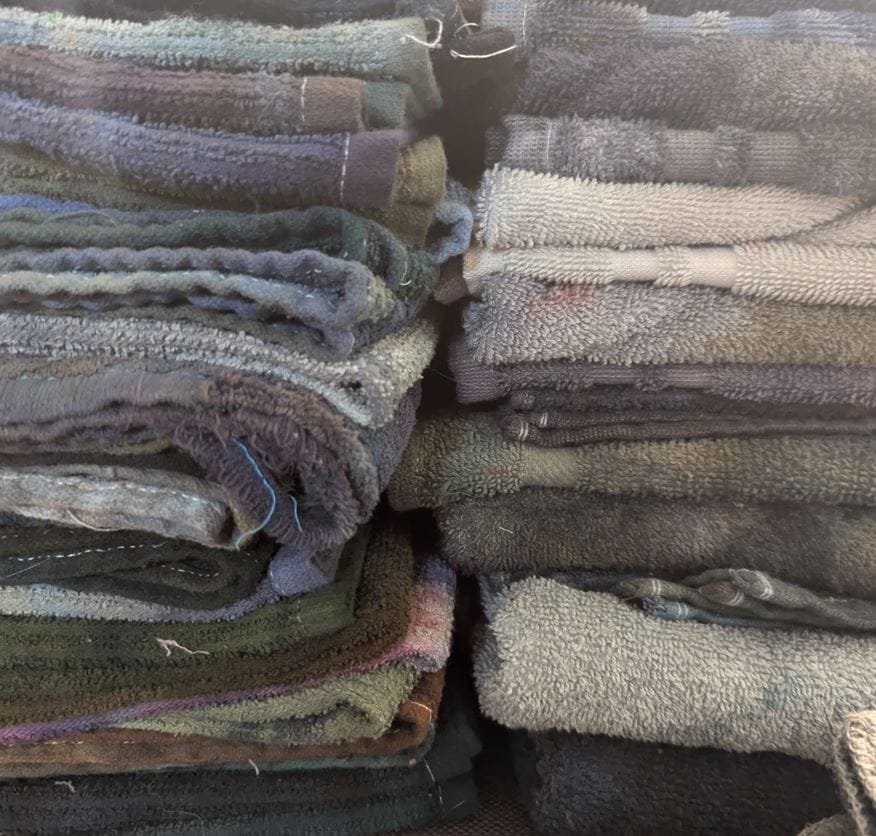
Mildew smell in towels is a pervasive problem caused by bacteria and mold thriving in damp fabric. The odor is not merely unpleasant; it indicates that organic matter—body oils, dead skin cells, and sweat—has become trapped in the towel fibers and is actively decomposing. Regular detergent alone often fails to eliminate the smell because it masks the odor rather than killing the bacteria causing it . This guide provides a structured, professional approach to removing mildew odor permanently and preventing its return.
Understanding the Root Causes
Before treating the symptom, it is essential to identify why towels develop mildew odor in the first place. The primary culprits fall into three categories.
Moisture Retention. Towels are designed to absorb water rapidly. When they remain damp for extended periods—whether bunched on a hook, left on the bathroom floor, or sitting in a washing machine—they create an ideal environment for mildew growth. Mildew can begin developing within 24 to 48 hours of consistent dampness . The most common reason for musty towels is improper drying, either after use or after washing .
Product Buildup. Excessive detergent and fabric softener leave a waxy residue on towel fibers. This coating traps moisture and organic matter, creating a breeding ground for bacteria. Fabric softener is particularly problematic because it reduces absorbency while simultaneously trapping odor-causing particles inside the fabric . Overloading the washing machine compounds this issue by preventing proper rinsing.
Washing Machine Contamination. Front-loading and high-efficiency washing machines are especially susceptible to mold and mildew growth around door seals, detergent dispensers, and internal components. If the machine itself harbors bacteria, it can transfer odors to every load of laundry, regardless of how thoroughly the towels were washed .
Treatment Methods: A Comparative Analysis
Several treatment protocols exist for eliminating mildew odor from towels. The following table compares the most effective approaches based on active ingredients, mechanisms, and appropriate use cases.
Step-by-Step Treatment Protocol
Method 1: The Vinegar and Baking Soda Deep Clean
This method is the most widely recommended approach by cleaning professionals for its effectiveness and safety across all towel colors .
Step 1: Pre-Treatment (Optional for Severe Odors). For towels with a deeply entrenched mildew smell, presoak them in a solution of warm water and ½ cup of white vinegar for 30 minutes before washing . This gives the acid time to penetrate deep into the fibers and begin breaking down odor-causing bacteria.
Step 2: First Wash – Vinegar Cycle. Load the towels into the washing machine, ensuring the drum is no more than half full to allow proper agitation and rinsing. Add one cup of white distilled vinegar directly to the drum or detergent dispenser. Do not add detergent or fabric softener during this cycle. Wash on the hottest water setting permitted by the towel’s care label . The vinegar will kill bacteria, dissolve detergent residue, and naturally soften the fibers.
Step 3: Second Wash – Baking Soda Cycle. Without removing the towels, add ½ cup of baking soda directly to the drum. Again, skip detergent and fabric softener. Run a second full wash cycle on the hottest safe setting . Baking soda neutralizes any remaining acidic compounds and eliminates residual odors.
Step 4: Drying. Transfer towels to the dryer immediately after the final spin cycle. Tumble dry on low to medium heat until completely dry. Even slightly damp towels stored away will reintroduce the mildew problem . Line drying in direct sunlight is an excellent alternative, as ultraviolet light provides natural disinfection .
Critical Note: Never combine vinegar and baking soda in the same wash cycle. They neutralize each other upon contact, canceling out their respective cleaning benefits .
Method 2: Chlorine Bleach Treatment for White Towels
White cotton towels that have developed severe mildew odor or visible mildew stains can be treated with chlorine bleach.
Step 1: Verify Bleach Safety. Check the towel’s care label to confirm it is bleach-safe. Cotton and polyester blends are typically suitable. Avoid bleaching wool, silk, spandex, or any fabric with a “do not bleach” instruction .
Step 2: Wash with Bleach. Wash towels in hot water with detergent and ⅓ cup of chlorine bleach added according to the manufacturer’s instructions . For heavily contaminated towels, presoak in a solution of ¼ cup bleach per gallon of cool water for five minutes before washing.
Step 3: Extra Rinse and Dry. Select an extra rinse cycle to ensure all bleach residue is removed. Tumble dry on medium to high heat until fully dry.
Method 3: Commercial Laundry Sanitizers for Colored Towels
For colored towels that cannot be bleached, laundry sanitizers offer a practical alternative.
Step 1: Wash Normally. Add laundry detergent to the wash and load towels as usual.
Step 2: Add Sanitizer. Pour the recommended amount of laundry sanitizer into the fabric softener dispenser compartment. This ensures it is released during the rinse cycle, where it can kill 99% of odor-causing bacteria without damaging colors .
Step 3: Dry Thoroughly. Follow the towel’s care label for drying instructions, ensuring complete dryness before storage.
Prevention: Maintaining Freshness Between Deep Cleans
Eliminating existing mildew odor is only half the solution. Preventing recurrence requires consistent habits that address the conditions mildew needs to thrive.
Drying Practices
Washing Practices
Wash Frequency. Bath towels should be washed every three to four uses under normal conditions. In humid climates or bathrooms with poor ventilation, wash every two to three uses . Hand towels and kitchen towels may require more frequent washing, potentially daily.
Detergent Dosage. Use only the amount of detergent recommended by the manufacturer. More detergent does not mean cleaner towels; it means residue that traps moisture and feeds bacteria . High-efficiency machines require HE-specific detergent.
Avoid Fabric Softener. Fabric softener and dryer sheets coat towel fibers with a waxy film that reduces absorbency and traps odor-causing residue. Use wool dryer balls instead to soften towels naturally without chemical coatings .
Wash Towels Separately. Towels produce lint and require longer, more intense wash cycles than clothing. Washing them separately prevents lint transfer and allows for optimal water temperature and agitation .
Washing Machine Maintenance
Monthly Cleaning Cycle. Run an empty hot water cycle with two cups of white vinegar or a commercial washing machine cleaner once per month. This removes detergent residue and kills bacteria in the drum .
Clean Door Seals and Dispensers. For front-loading machines, wipe the rubber door seal and detergent dispenser regularly to prevent mold growth in these moisture-rich areas .
Leave Door Ajar. Between loads, leave the washing machine door open to allow the interior to dry completely.
When to Replace Towels
Even with proper care, towels have a finite lifespan. Consider replacement when towels exhibit persistent odor that returns immediately after washing, significant thinning or loss of absorbency, or visible mildew staining that cannot be removed. Frequent washing and drying cycles gradually break down cotton fibers, reducing their ability to dry efficiently and making them more susceptible to mildew .
Summary
Mildew odor in towels is a solvable problem that requires addressing both the existing contamination and the conditions that allow it to develop. The vinegar-and-baking-soda two-cycle wash is the most versatile and effective treatment for all towel types, while chlorine bleach remains appropriate for white towels with severe contamination. Prevention hinges on three principles: dry towels completely and quickly after every use, avoid product buildup by using correct detergent amounts and skipping fabric softener, and maintain a clean washing machine. Implementing these practices transforms towel care from a recurring frustration into a manageable routine.