How to Clean Door Knobs: A Professional Guide to Hygiene and Maintenance
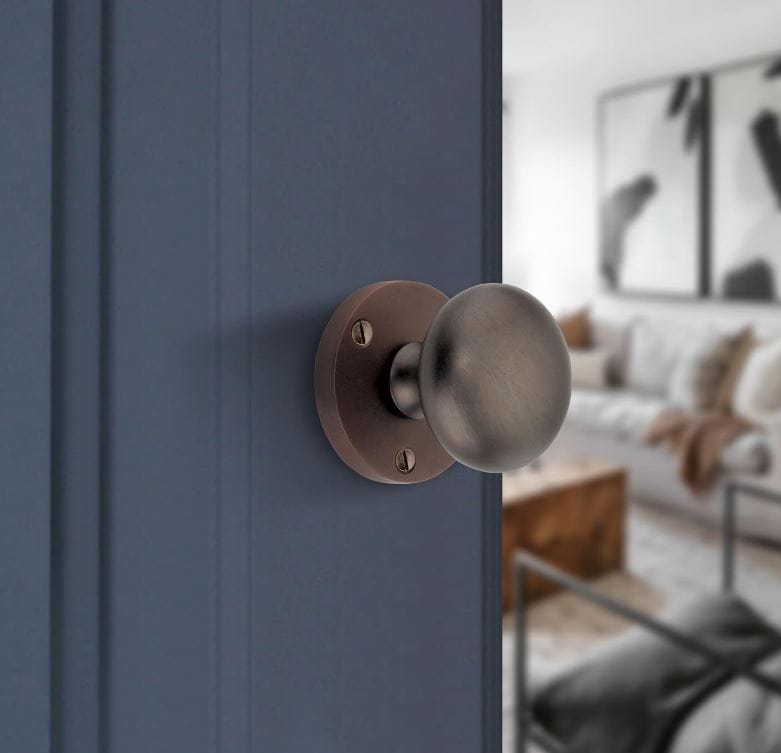
Door knobs and handles are among the most frequently touched surfaces in any home or commercial facility, yet they are often neglected during routine cleaning. Proper cleaning not only removes visible grime but also reduces the transmission of pathogens like influenza, norovirus, and SARS-CoV-2.
This guide provides evidence-based methods, material-specific precautions, and comparative effectiveness data to help you clean door knobs safely and effectively.
Why Standard Wipes May Not Be Enough
Many household cleaners are effective on flat surfaces but can damage or prove ineffective on contoured, high-touch hardware. The three primary goals of cleaning a door knob are:
- Soil removal (oil, skin cells, dirt)
- Disinfection (pathogen reduction)
- Surface preservation (preventing pitting, discoloration, or lock mechanism damage)
Professional Note: Always clean before disinfecting. Organic matter (finger oils, dust) neutralizes many disinfectants.
Step-by-Step: Universal Cleaning Protocol
Follow this sequence for any door knob type unless specified otherwise.
- Prep – Wash hands, put on disposable gloves. Ensure room is ventilated.
- Dust – Use a microfiber cloth to remove loose debris from crevices.
- Clean – Apply appropriate cleaner (see table below) to a cloth, never directly to the knob (prevents liquid ingress into lock).
- Agitate – Wipe all surfaces including the backplate, keyhole, and edges.
- Dwell (if disinfecting) – Leave the disinfectant on the surface for the required contact time (see table).
- Rinse (if required) – Wipe with a damp cloth to remove residue.
- Dry – Use a dry microfiber cloth to prevent moisture-related corrosion.
Material-Specific Cleaning Methods
Using the wrong chemical can permanently damage finishes. Refer to this table before selecting a cleaner.
| Material / Finish | Safe Cleaners | Unsafe Cleaners | Special Instructions |
|---|---|---|---|
| Brass (polished or antique) | Mild soap + water, 70% isopropyl alcohol | Ammonia, vinegar, bleach, citrus-based degreasers | Dry immediately; wax biannually to prevent tarnish |
| Stainless Steel | Glass cleaner, mild detergent, 70% alcohol | Abrasive pads, chlorine bleach (causes pitting) | Wipe with the grain of the metal |
| Chrome | Soap + water, vinegar (diluted 1:10), alcohol | Acidic toilet bowl cleaners, undiluted bleach | Rinse thoroughly; chrome resists corrosion but not acids |
| Nickel (satin/brushed) | Dish soap + water, ethanol (max 70%) | Any product containing hydrochloric or sulfuric acid | Avoid soaking; nickel is softer and more reactive than chrome |
| Glass / Crystal | White vinegar + water (1:1), isopropyl alcohol | Abrasive scrubs, strong alkalis (e.g., oven cleaner) | Use lint-free cloth to avoid streaks |
| Plastic / Composite | Bleach solution (see below), quaternary ammonium wipes | Solvents (acetone, toluene), undiluted pine oil | Check for cracks; porous plastics may require longer contact time |
| Unfinished Wood | Dry microfiber only, or slightly damp cloth with castile soap | Any liquid disinfectant, alcohol, bleach | Never saturate; dry immediately. Disinfection not recommended—use UV-C or replace with sealed knob |
Disinfecting Door Knobs: Contact Time Matters
Disinfection is not instant. For pathogens like influenza or SARS-CoV-2, the surface must remain wet with the disinfectant for a specific dwell time. Common mistakes include wiping too soon or using an insufficient concentration.
| Disinfectant | Concentration | Minimum Dwell Time | Post-Application Rinse Needed? | Efficacy Notes |
|---|---|---|---|---|
| 70% Isopropyl alcohol | 70% v/v (do not dilute further) | 30 seconds | No | Kills most bacteria and enveloped viruses rapidly. Flammable. |
| Household bleach solution | 1/3 cup bleach per gallon of water (≈ 1000 ppm) | 2 minutes | Yes (after 2 min, rinse with water) | Corrosive to metal if not rinsed. Fresh mix within 24 hrs. |
| Quaternary ammonium (Lysol, Clorox wipes) | As manufactured | 4 minutes (check label) | No | Less corrosive, but residue may build up. Not effective against all non-enveloped viruses. |
| Hydrogen peroxide (3%) | Ready-to-use | 5 minutes | No (breaks down into water/oxygen) | Good material compatibility; no toxic residue. |
| White vinegar (for cleaning only) | Undiluted or 1:1 with water | Not a disinfectant | N/A | Removes water spots and light soil. Does NOT kill COVID-19 or flu. |
Critical: For high-risk settings (healthcare, food prep), follow EPA or local health department list-N disinfectants. Household methods reduce risk but do not eliminate all pathogens.
When and How Often to Clean
Frequency depends on traffic and environment.
| Setting | Cleaning (soil removal) | Disinfection (pathogen kill) |
|---|---|---|
| Private home – low traffic (guest rooms, closets) | Monthly | After illness, or quarterly |
| Private home – high traffic (main entry, kitchen, bathroom) | Weekly | Every 2–3 days, or daily during flu season |
| Shared office or retail | Daily | After each busy period, or minimum twice daily |
| Healthcare facility | Multiple times per shift | Between every patient contact |
High-risk triggers: After someone in the house has been sick, after handling raw meat (kitchen knobs), or after a guest with known infection.
Common Mistakes to Avoid
- Using abrasive powders (e.g., Comet, Bar Keepers Friend on polished brass) – Removes protective lacquer within seconds.
- Submerging knobs in liquid – Water seeps into lock cylinders, leading to rust and mechanism failure.
- Mixing bleach with vinegar or ammonia – Produces toxic chlorine or chloramine gas.
- Wiping disinfectant immediately – No dwell time = no kill claim.
- Ignoring the backplate – The plate against the door accumulates just as much biofilm as the knob.
Final Professional Recommendation
For most households, the optimal routine is:
- Weekly: Clean with mild soap and water, dry thoroughly.
- As needed (illness, visible soil): Disinfect with 70% isopropyl alcohol or a hydrogen peroxide spray. Allow 1–5 minutes of wet contact, then wipe dry.
- Quarterly: Remove knobs (if possible) to clean behind rosettes/backplates. Lubricate lock cylinders with graphite—never oil.
By matching your cleaning agent to the knob material and respecting dwell times, you extend the life of your hardware while maintaining a genuinely hygienic environment.