How to Clean an Antique Mirror Without Damaging the Silver Backing
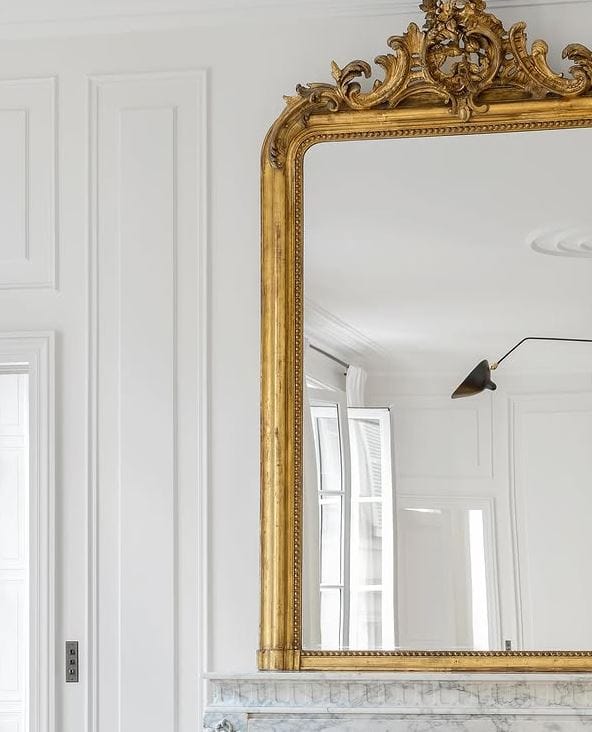
Antique mirrors (pre-1920s) differ fundamentally from modern mirrors. Their reflective silver backing is delicate, prone to oxidation, and easily destroyed by common household cleaners. Proper cleaning preserves both historical integrity and monetary value. Below is a professional, step-by-step methodology validated by conservation specialists.
Why Antique Mirrors Require Special Care
Modern mirrors use protected silver or aluminum layers sealed with copper and paint. Antique mirrors typically use a bare or minimally coated silver layer behind thin glass. Moisture, ammonia, vinegar, or abrasive scrubbing penetrates edge seals, causing desilvering—irreversible black spots where reflection is lost.
| Feature | Modern Mirror | Antique Mirror |
|---|---|---|
| Reflective layer | Aluminum or protected silver | Unsealed silver |
| Backing seal | Copper + epoxy paint | Often none or deteriorated shellac |
| Sensitivity to liquids | Low | High |
| Recovery from damage | Replaceable | Irreparable |
Materials Required: Professional Grade
- Microfiber cloths (3–4, lint-free)
- Distilled water (tap water contains minerals that etch glass)
- Isopropyl alcohol (70% or less, diluted further 1:4 with distilled water)
- Neutral-pH soap (e.g., conservation-grade Vulpex or mild Ivory liquid—no citric acid)
- Soft bristle brush (artist’s brush, size 4–6)
- Cotton balls or swabs (for spot cleaning)
- Spray bottle (mist setting only)
Step-by-Step Cleaning Protocol
Step 1: Dry Surface Decontamination
Lay the mirror flat on a padded table (never work vertically). Use a soft brush to gently sweep loose dust from front glass and edges. Do not blow dust—saliva particles accelerate corrosion.
Step 2: Prepare Cleaning Solution
In a small bowl, mix:
- 1 cup distilled water
- ¼ teaspoon neutral-pH soap
- Optional: 1 tablespoon diluted alcohol for oily residue
Do not use: Vinegar, Windex, bleach, baking soda, or citrus-based cleaners.
Step 3: Damp-Clean the Glass Face
Dampen a microfiber cloth with solution (never wet—wring thoroughly). Wipe in straight lines from top to bottom. Avoid circular motions that push moisture toward edges. Change cloth when soiled.
Step 4: Address Edges and Frame Joints
Dip a cotton swab in the solution, press it against another dry swab to remove excess liquid. Gently clean along frame edges. If wood frame is raw or unfinished, mask it with painter’s tape first.
Step 5: Dry Immediately
Buff with a dry microfiber cloth. Any standing liquid left for >5 seconds risks capillary action behind the glass.
What to Do If Desilvering Is Already Present
Do not attempt to clean black spots—they are missing silver. Instead, consider conservation stabilization:
| Symptom | Recommended Action |
|---|---|
| Light haze / minor oxidation | Dry brush only; do not wet |
| Small black edges (1–5mm) | Apply protective clear microcrystalline wax (Renaissance Wax) to frame edge only |
| Large black voids (>1cm) | Consult conservator; do not clean |
| Flaking glass fragments | Stop immediately; back removal required |
Comparison: DIY Methods vs. Professional Conservation
| Aspect | DIY Conventional (Not Recommended) | Professional Wet Cleaning | Professional Conservation |
|---|---|---|---|
| Cleaners used | Vinegar, ammonia, dish soap | Distilled water + neutral soap | Custom pH-buffered gels |
| Risk of desilvering | Very high | Low (if protocol followed) | None |
| Cost | $5–10 | $15–30 (materials) | $150–400+ |
| Outcome for value | Often reduces value | Preserves value | Restores structural integrity |
| Best for | Modern mirrors only | Late-period antique (1910–1940) | High-value 18th–19th century |
Long-Term Prevention: Storage & Display
- Humidity control: Keep at 40–50% RH. Above 60% accelerates silver sulfide tarnish.
- No direct ventilation: Do not hang above radiators, stoves, or bathroom vanities.
- Backing protection: If frame allows, add a archival corrugated backer (acid-free) to reduce moisture ingress.
- Inspection schedule: Check annually for edge darkening—early intervention prevents spread.
Verdict: When to Clean vs. When to Leave Alone
Clean only if the glass face is cloudy with dirt, not the silver.
Do not clean if you see: rainbow iridescence (silver oxidation), flaking edges, or black curling at the periphery.
For mirrors dating before 1850, the safest “cleaning” is dusting with a soft brush and leaving all other treatments to an accredited objects conservator (find via AIC’s Find a Conservator tool).