How to Clean an Outer Vest Carrier: A Professional’s Step‑by‑Step Guide
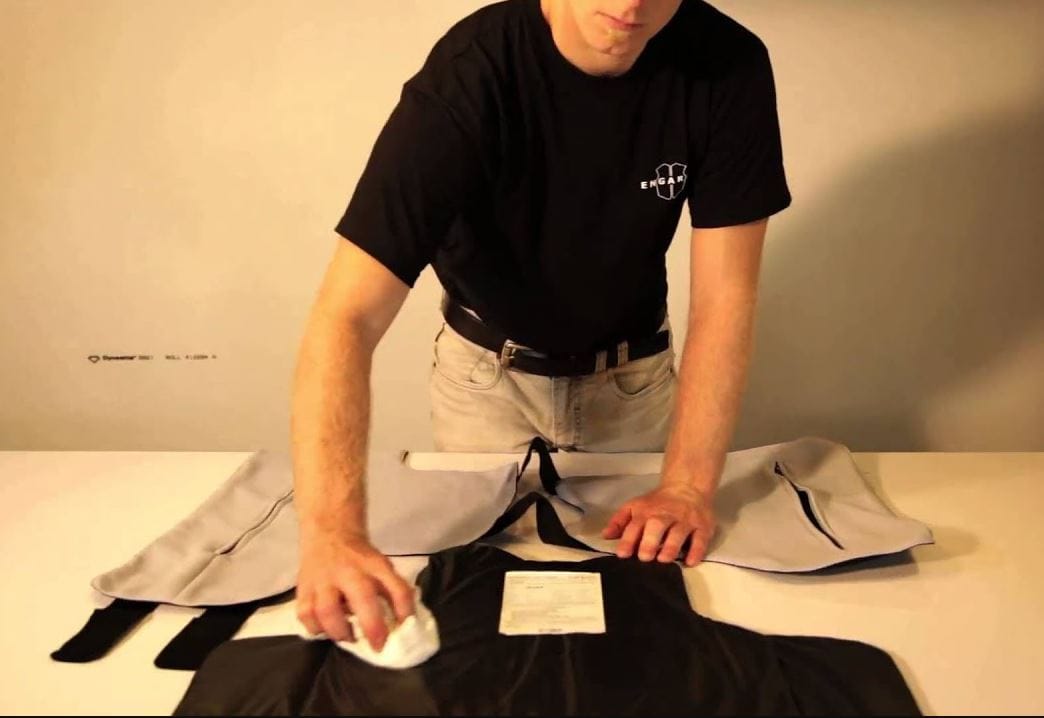
Outer vest carriers (OVCs)—commonly used by law enforcement, security, and military personnel—endure sweat, dirt, airborne contaminants, and daily abrasion. Proper cleaning extends carrier life, preserves ballistic panel integrity, and maintains a professional appearance. However, incorrect cleaning can degrade hook‑and‑loop fasteners, shrink moisture‑wicking layers, or damage ballistic materials.
This guide provides manufacturer‑aligned, evidence‑based methods for cleaning both removable cover and sealed‑system outer vest carriers.
1. Pre‑Cleaning: Critical Safety & Preparation Steps
WARNING: Do not submerge or machine‑wash ballistic panels. Moisture degrades aramid fibers (e.g., Kevlar®, Twaron®) and can reduce ballistic resistance.
| Step | Action | Why It Matters |
|---|---|---|
| 1 | Remove all ballistic panels, trauma plates, and foam backers. | Prevents fiber degradation; allows proper cover cleaning. |
| 2 | Check manufacturer’s label (inside carrier) for washing symbols. | Some carriers are spot‑clean only; voiding warranty is costly. |
| 3 | Unfasten all hook‑and‑loop (Velcro®), zippers, and side release buckles. | Fasteners trap detergent and debris if closed. |
| 4 | Brush off loose dirt with a soft nylon brush. | Reduces abrasion during washing. |
| 5 | Spot‑treat stains (blood, sweat salts, grease) with diluted enzyme cleaner (1:4 ratio). | Prevents permanent discoloration and bacterial odor. |
2. Cleaning Methods by Carrier Type
Outer vest carriers fall into two categories. Use the table below to identify yours.
| Carrier Type | Typical Users | Cleaning Method | Drying Method | Frequency |
|---|---|---|---|---|
| Removable Cover | Police, security, EMS | Machine wash (gentle) or hand wash | Air dry only | Weekly (heavy use) |
| Sealed‑System (cover sewn to panel pouch) | Military, tactical entry | Surface wipe + disinfectant spray | Hang dry | After each exposure to contaminants |
2.1 Removable Cover (Machine Wash Allowed)
Machine Settings (If Label Permits):
- Cold water (max 30°C / 85°F)
- Gentle / Delicate cycle
- No fabric softener (clogs moisture‑wicking fibers)
- Mild liquid detergent (e.g., Sport Wash, Woolite Darks)
Procedure:
- Turn carrier inside out to protect outer fabric and hook‑and‑loop.
- Place carrier in a mesh laundry bag (prevents strap tangling).
- Wash alone – no heavy items (towels, jeans).
- Run an extra rinse cycle to remove all detergent residue.
2.2 Sealed‑System or Spot‑Clean Only Carriers
Solution: 1 gallon cool water + 1 tbsp mild dish soap (e.g., Dawn®) + 1 tbsp white vinegar (odor control).
Steps:
- Dampen a microfiber cloth—never soak.
- Wipe all exterior surfaces, then use a soft toothbrush on zipper tracks and seam edges.
- Spray with 70% isopropyl alcohol (light mist) on high‑touch areas (chest, shoulders).
- Wipe dry with a second clean cloth.
3. Drying – The Most Critical Step
Never machine dry, iron, or dry clean an outer vest carrier. Heat delaminates coatings and warps panels.
| Drying Method | Suitability | Time | Risk Level |
|---|---|---|---|
| Hang in shaded, well‑ventilated area | All carriers | 12–24 hours | None |
| Lay flat on drying rack (reshape straps) | Removable covers only | 8–12 hours | Low |
| Fan‑assisted air movement | All carriers | 6–10 hours | None |
| Direct sunlight | Not recommended – UV degrades nylon/polyester | – | Moderate – fading & brittleness |
| Tumble dry even on low | Never | – | High – shrinkage & delamination |
Pro tip: Insert clean, dry microfiber towels inside the panel compartments to absorb residual moisture before air drying.
4. Post‑Cleaning Maintenance & Inspection
After the carrier is completely dry:
- Reinstall ballistic panels – ensure they lie flat, no folds or bunching.
- Test fasteners – hook‑and‑loop should grip fully; replace if “bald.”
- Check bar tacks (reinforced stitching) – loose threads signal future failure.
- Deodorize (optional) – place an activated charcoal pouch in each panel pocket overnight.
5. Cleaning Frequency & Contamination Response
| Exposure | Action | Urgency |
|---|---|---|
| Sweat (daily wear) | Wipe interior with disinfectant wipe | After each shift |
| Blood / bodily fluids | Hydrogen peroxide (3%) + cold water rinse; then full wash | Immediate |
| OC spray (pepper spray) | White vinegar + water (1:3), then enzyme cleaner | Within 2 hours |
| Mud / dirt | Brush dry then cold hand wash | Same day |
| Smoke / fire scene | Sealed carrier: replace cover; removable: wash twice | As soon as possible |
6. Comparison of Popular Cleaning Agents
| Product | Safe for Outer Nylon/Polyester | Safe for Moisture‑wicking Liner | Removes Odor | Recommended |
|---|---|---|---|---|
| Standard laundry powder | ✔️ (use small amount) | ❌ (residue) | ❌ | No |
| Sport‑specific detergent (e.g., HEX, Nikwax) | ✔️ | ✔️ | ✔️ | Yes |
| Fabric softener | ❌ (clogs) | ❌ (destroys wicking) | ❌ | Never |
| White vinegar (0.5 cup in rinse) | ✔️ | ✔️ | ✔️ | Yes (occasional) |
| Bleach (any) | ❌ (weakens fibers) | ❌ | ✔️ | Never |
Conclusion – Clean Carrier, Reliable Protection
Cleaning an outer vest carrier is not merely cosmetic—it directly impacts equipment longevity and officer safety. Follow the manufacturer’s instructions first, default to cold water and air drying, and never machine‑wash ballistic panels. A clean, dry carrier maintains its structural strength, reduces skin infections, and projects the professionalism your duty demands.
Final checklist before each wash:
- Ballistic panels removed
- All straps unthreaded
- Cold water / gentle cycle (if machine allowed)
- Air drying only
- Panels reinstated only after carrier is bone‑dry