How to Clean an American Flag: Material-Specific Guide & Professional Methods
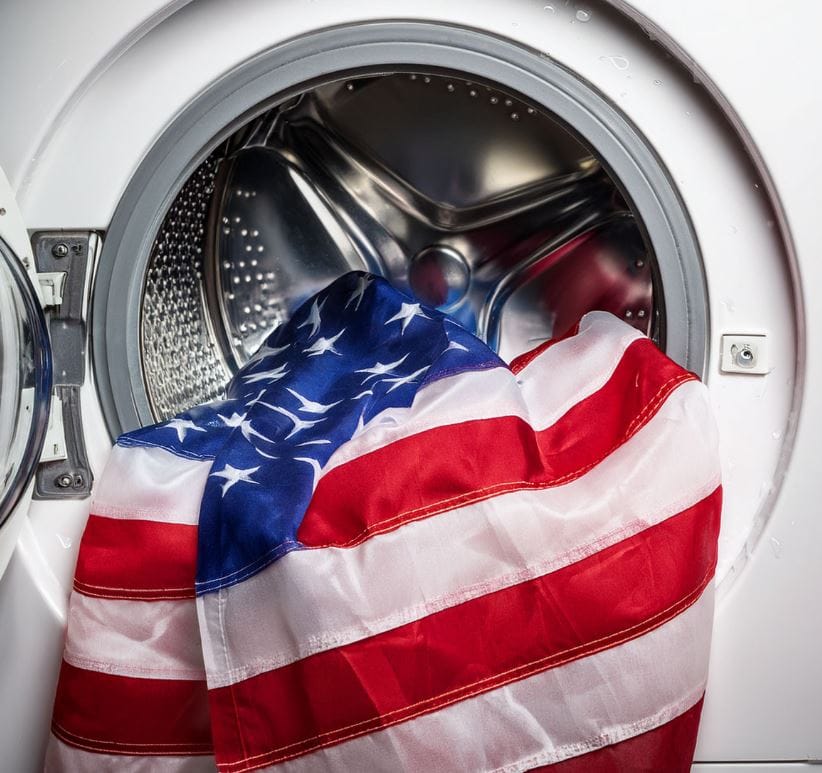
The American flag is a powerful national symbol, and preserving its dignity through proper cleaning is a matter of respect and longevity. However, cleaning methods vary drastically depending on the flag’s material. Using the wrong technique can cause fading, fraying, or irreversible damage.
This guide provides authoritative, step-by-step instructions for cleaning cotton, nylon, polyester, and wool flags, along with U.S. Flag Code considerations.
Before You Clean: Key Precautions
- Check the weather: Never clean a flag in extreme heat or direct sunlight, which can set stains and weaken fibers.
- Inspect for damage: Mend loose stitching or frayed edges before washing.
- Follow the Flag Code: U.S. Flag Code (4 U.S.C. § 8k) states: “The flag, when it is in such condition that it is no longer a fitting emblem for display, should be destroyed in a dignified way, preferably by burning.” Cleaning is acceptable; restoration of a tattered flag is not.
Step 1: Identify Your Flag’s Material
Most outdoor flags are nylon or polyester (all-weather). Indoor and ceremonial flags are often cotton or wool.
| Material | Best Cleaning Method | Water Temperature | Drying Method |
|---|---|---|---|
| Nylon | Machine wash (gentle) or hand wash | Cold (max 80°F / 27°C) | Line dry only |
| Polyester | Machine wash (delicate) | Cold or warm (max 100°F / 38°C) | Tumble dry low or line dry |
| Cotton | Hand wash only | Cool (max 90°F / 32°C) | Line dry, no direct sunlight |
| Wool | Professional dry clean recommended | N/A (do not submerge) | Lay flat to air dry |
Step 2: Stain Removal by Material Type
Before full washing, pre-treat stains using the correct agent.
| Stain Type | Nylon / Polyester | Cotton / Wool |
|---|---|---|
| Dirt / Mud | Liquid dish soap (diluted) | White vinegar solution (1:4 with water) |
| Bird droppings | Enzyme-based spot cleaner | Baking soda paste |
| Oil / Grease | Cornstarch (absorb, then brush) | Dry cleaning solvent (test swatch) |
| Mildew | Oxygen bleach (non-chlorine) | Oxygen bleach + lemon juice |
Critical warning: Never use chlorine bleach on any flag. It destroys nylon, weakens polyester, and disintegrates cotton and wool fibers.
Step 3: Detailed Cleaning Procedures
For Nylon & Polyester (All-Weather Flags)
Machine washing (preferred for large flags):
- Close all snaps or hooks. Place flag in a mesh laundry bag.
- Use mild detergent (Woolite or SportWash).
- Set machine to delicate cycle, cold water, low spin.
- Remove immediately — do not let sit wet.
Hand washing (for smaller flags or heavy soil):
- Fill a plastic tub with cold water + 1 tsp mild detergent.
- Submerge flag, gently agitate for 5 minutes.
- Rinse twice with cold water until no suds remain.
For Cotton Flags (Ceremonial / Historic)
Hand wash only:
- Fill tub with cool water + Orvus quilt soap (pH-neutral).
- Soak for 10 minutes — do not scrub or wring.
- Lift and submerge gently. Press water through, never twist.
- Rinse with cool water 3–4 times.
For Wool Flags (Vintage or Heavy)
Do not wash at home. Take to a dry cleaner who specializes in historical textiles. If unavoidable:
- Spot clean with cold water + wool-specific detergent (Eucalan).
- Never rub — dab with white cloth.
Step 4: Drying & Ironing (Critical for Longevity)
Improper drying causes more damage than washing.
| Material | Drying Method | Ironing Permitted? | Temperature |
|---|---|---|---|
| Nylon | Line dry, shade | Yes (if wrinkled) | Synthetic setting (low) |
| Polyester | Line or tumble low | Yes | Low (285°F max) |
| Cotton | Line dry, avoid sun | Yes | Cotton setting (high, with steam) |
| Wool | Lay flat, reshape | No | Steam from distance only |
Ironing notes:
- Iron on the reverse side of the flag.
- Do not iron over embroidered stars or sewn stripes — they will melt or flatten.
- Use a pressing cloth for cotton flags.
Step 5: Frequency & Disposal Guidance
| Flag Usage | Recommended Cleaning Frequency |
|---|---|
| Daily outdoor display | Every 2–3 months |
| Occasional (holidays) | Once per season |
| Indoor (no weather exposure) | Annually, or when visibly soiled |
| After bad weather (storms, high wind) | Inspect; clean if mud or debris present |
When to Retire (Not Clean)
- Frayed edges beyond 1 inch
- Holes larger than a dime in the field of stars
- Faded stripes to near-white
- Mold penetration (not just surface)
Proper disposal: Contact a local American Legion, VFW, or Boy Scout troop for a formal retirement ceremony. Do not throw a flag in the trash.
Quick Comparison: Professional Cleaning vs. DIY
| Factor | Professional Service | DIY Home Cleaning |
|---|---|---|
| Cost | $25–75 per flag | Under $5 |
| Best for | Wool, antique, or very large flags (8’+ pole) | Nylon, polyester, small cotton |
| Risk level | None | Low if following guide |
| Turnaround | 1–2 weeks | 1–2 hours |
| Flag Code compliance | Yes | Yes (if done respectfully) |
Final Checklist: How to Clean an American Flag Properly
- Confirm material (nylon, polyester, cotton, or wool).
- Check for loose threads — repair before washing.
- Pre-treat stains with material-safe agent.
- Hand wash cotton/wool; machine wash (delicate bag) nylon/polyester.
- Use cold water and mild detergent only — no bleach ever.
- Line dry in shade (tumble dry low only for polyester).
- Iron on reverse with correct heat setting.
- If beyond repair, retire with dignity per Flag Code.