How to Clean a White Linen Couch: A Professional Guide to Stain Removal and Fiber Care
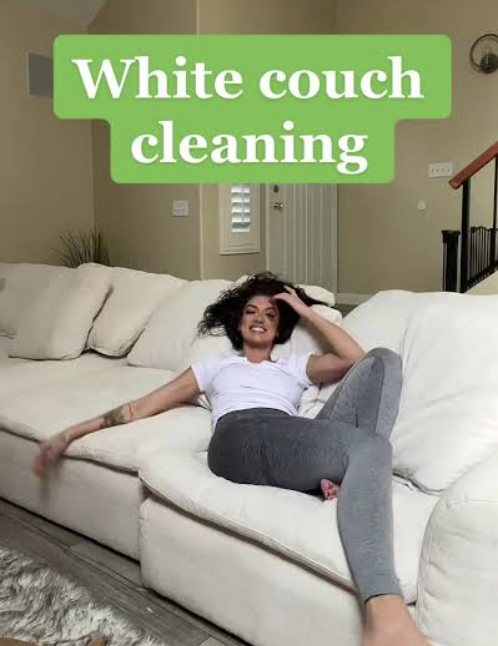
White linen couches offer an unmatched combination of breathable comfort and relaxed elegance, but they demand a specific, technically informed approach to cleaning. Unlike synthetic upholstery, linen is a cellulosic fiber derived from the flax plant. This means it is highly absorbent, prone to water rings, and vulnerable to a phenomenon known as cellulosic browning if over-wetted . Cleaning a white linen couch is not about scrubbing harder; it is about managing moisture, understanding fiber chemistry, and acting with speed.
This guide provides a structured, professional methodology for maintaining and restoring white linen upholstery, including comparative data on stain treatments and moisture control.
1. Pre-Cleaning Protocol: Identification and Preparation
Before introducing any liquid to the fabric, you must determine the manufacturer’s cleaning code and prepare the surface. Ignoring the cleaning code is the single most common cause of irreversible damage to linen couches.
The Cleaning Code Check
Locate the tag underneath the seat cushions or behind the sofa frame. Linen is frequently labeled with specific codes that dictate allowable solvents .
The Dry Preparation Phase
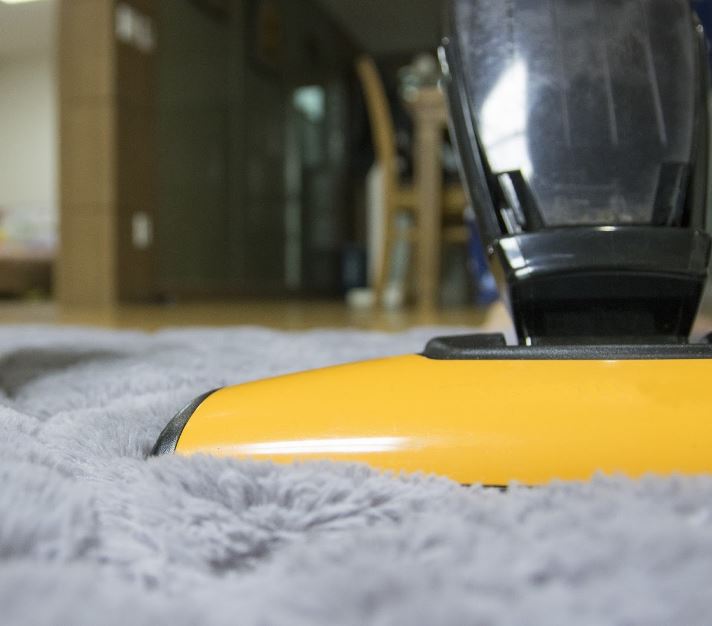
Before any liquid cleaning, the couch must be free of loose debris. Vacuuming is not merely a maintenance step; it is a critical prerequisite. Loose dust and grit, when combined with water, turn into a fine abrasive mud that can drive dirt deeper into the linen weave . Use a soft upholstery brush attachment on low suction. Avoid high suction settings, as they can distort the natural slub of the linen weave .
2. The Core Cleaning Methodology: Panel-by-Panel Moisture Control
The greatest risk to a white linen couch is uneven drying. Linen absorbs water rapidly and unevenly. If you clean only a small spot, the moisture wicks outward, carrying dissolved soil and sizing to the edges. As it dries, it deposits a “tide mark” or ring . Therefore, the golden rule of linen cleaning is: Clean the entire panel, seam to seam.
Step-by-Step Water-Based Cleaning (for W or W/S Codes)
- The Cleaning Solution: Mix a few drops of mild, neutral dish soap (free of dyes and moisturizers) into distilled water. Whisk vigorously to generate foam. You want to apply the foam, not the liquid, to minimize saturation .
- Application: Dampen a clean, white microfiber cloth with the foam. It should be barely damp to the touch. Work in gentle, overlapping strokes across the entire cushion face or armrest. Do not scrub. Scrubbing abrades the linen fibers, creating a permanent fuzzy texture (pilling) .
- Rinsing: Immediately follow with a second white cloth dampened with plain distilled water. This removes soap residue. Residual soap acts as a magnet for dirt and can oxidize, turning yellow over time .
- Controlled Drying: Blot the surface dry with a dry towel. Then, direct a fan at the couch on a low setting. Do not use heat. Hair dryers, radiators, or direct sunlight can “bake” the fibers and accelerate yellowing or browning . Full drying typically takes 2 to 4 hours with good airflow .
3. Stain-Specific Protocols for White Linen
Different stains require different chemical approaches on linen. Using the wrong method can set the stain or damage the fiber.
4. Addressing the “Yellowing” Problem: Cellulosic Browning
A common and alarming issue with white linen couches is the appearance of yellow or brown discoloration after cleaning. This is rarely dirt; it is cellulosic browning.
Linen fibers contain natural sugars. When the fabric is over-wetted and dries too slowly (e.g., in high humidity or without airflow), these sugars migrate to the surface and oxidize, turning yellow or brown . This is especially common along seams or where metal buttons/staples are present (which can also cause rust bleeding) .
Prevention is strictly procedural: Never saturate the fabric. Always use forced air (fans) to dry the linen rapidly and evenly. If browning has already occurred, it is typically correctable using specialized acidic rinses or browning treatments applied by a professional; DIY attempts with bleach will often worsen the discoloration by stripping optical brighteners .
5. When to Call a Professional
While spot cleaning is manageable, certain situations demand professional intervention to preserve the white linen’s integrity:
- S-Code Linen: If the tag says “S,” you cannot safely use water. Professionals have the solvent equipment to clean it without causing rings .
- Set-In Stains: Stains that have dried and bonded (especially wine or ink) often require specialized reducing agents or steam extraction that is not available in consumer products .
- Overall Graying: If the white linen has lost its brightness uniformly, professional hot-water extraction (for W-code fabrics) can restore the color evenly across all panels without leaving a patchwork of clean and dirty areas .
- Cellulosic Browning: If the fabric has already turned yellow due to moisture mismanagement, a professional can apply corrective acidic treatments to reverse the oxidation .
6. Frequently Asked Questions (FAQ)
Q1: Can I use bleach to whiten my white linen couch?
A: No. Chlorine bleach is too harsh for linen and can cause irreversible yellowing and fiber degradation. Even oxygen bleach (sodium percarbonate) should be used with extreme caution on upholstery because it requires thorough rinsing that is difficult to achieve on a fixed couch. Residual bleach or brighteners can actually attract dirt or oxidize under light, turning the fabric yellow . For brightening, professional cleaning or specialized linen treatments are the safer route.
Q2: How do I remove a water ring that has already formed on the linen?
A: Do not scrub the ring itself. The only reliable way to remove a water ring is to re-wet the entire panel evenly with distilled water (if the fabric is W-code) and dry it rapidly with a fan. This redistributes the deposited minerals and soil so they dry without a defined edge. If the ring was caused by hard tap water, using distilled water for the re-wetting process is essential .
Q3: My linen couch tag says “S” (Solvent Only). Can I just use a damp cloth for a small spill?
A: No. Using water on an S-code linen will almost certainly leave a permanent ring or cause the fibers to brown. For S-code fabrics, you must use a water-free dry-cleaning solvent specifically designed for upholstery. Always test the solvent on a hidden area first. If the spill is large or has set, do not attempt DIY—call a professional with solvent extraction capabilities .
Q4: How often should a white linen couch be professionally cleaned?
A: For a white linen couch in a household with average use, professional cleaning is recommended every 6 to 12 months to maintain the brightness and remove accumulated body oils that cause graying . If the couch is in a high-traffic area or used daily by pets/children, aim for the 6-month mark. Between professional cleanings, weekly vacuuming and immediate spill response are mandatory.
Q5: Can I machine wash the slipcovers if they are removable?
A: It depends entirely on the care label and whether the linen is pre-washed. Pre-washed linen covers may survive a cold, gentle machine cycle, but expect some shrinkage. Non-pre-washed linen will likely shrink significantly and distort, making it impossible to fit back onto the cushions. For fixed covers or non-pre-washed linen, in-place cleaning or professional dry cleaning is safer. Always check the label; if it says “Dry Clean Only,” do not machine wash .