How to Clean a Linen Tablecloth: A Professional Guide to Washing, Stain Removal, and Care
Linen tablecloths are an investment in both aesthetics and durability; when cared for properly, they soften and develop a lustrous sheen with every wash, lasting for decades . However, the fiber is delicate when wet and prone to shrinkage or permanent staining if mishandled. This guide provides a structured, professional approach to maintaining your linen tablecloth, from routine washing to emergency stain treatment and proper storage.
1. Routine Washing: Machine vs. Hand Wash
Most everyday linen tablecloths are fully machine washable, but the settings you choose determine the longevity of the fabric. The goal is to clean the fibers without agitating them excessively or exposing them to heat that causes shrinkage.
Machine Washing Guidelines
For standard, unembellished linen tablecloths, machine washing is the most efficient method. You must use a gentle cycle with cold or lukewarm water (maximum 30°C to 40°C). Hot water is the primary enemy of linen, as it accelerates fiber breakdown and can cause significant shrinkage . Use a mild, liquid detergent free of optical brighteners or chlorine bleach. Fabric softener should be avoided entirely, as it coats the fibers and reduces the natural absorbency and breathability of the linen .
Hand Washing for Delicates
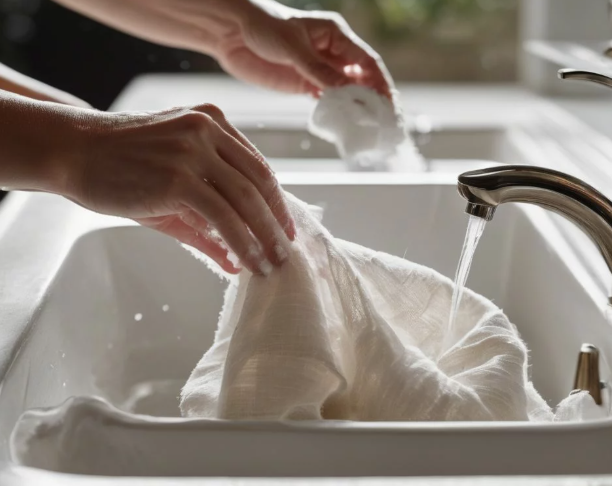
Hand washing is reserved for antique, heirloom, or heavily embroidered tablecloths where machine agitation could cause structural damage or snagging . Use a clean basin with cool water and a small amount of mild detergent. Allow the cloth to soak for 15 to 20 minutes, gently pressing the water through the fabric without scrubbing or wringing. Rinse thoroughly until the water runs clear, then press the excess water out against the side of the basin or roll the cloth in a clean towel to remove moisture before drying .
Comparison of Washing Methods
| Method | Best For | Water Temp | Detergent Type | Key Risk |
|---|---|---|---|---|
| Machine Wash | Everyday linen, sturdy weaves, cotton-linen blends | Cold to Warm (≤ 30-40°C) | Mild liquid, fragrance-free | Shrinkage if hot water is used; pilling from overloading |
| Hand Wash | Antique, embroidered, lace-trimmed, or heirloom linens | Cool (Room Temp) | Mild liquid or gentle soap flakes | Fiber stress from twisting or wringing |
| Professional Dry Clean | Stubborn set-in stains, structured damask, delicate embellishments | N/A | Solvent-based | Chemical damage to natural fibers if overused |
2. Stain Removal: Targeted Treatments
Linen is highly absorbent, meaning stains can set quickly if not addressed. The golden rule for all stains is to blot, never rub, and to avoid heat (hot water, tumble drying, or ironing) until the stain is completely gone, as heat will permanently bake the stain into the fiber .
Common Stains and Treatments
- Red Wine: Immediately blot the excess liquid. Flush the stain from the back with cold water. You can apply a small amount of mild dish soap or a solution of hydrogen peroxide and dish soap (1 part soap to 2 parts peroxide) directly to the stain, then rinse thoroughly . For white linen, pouring boiling water through the stain from a height can be effective, but this is not recommended for colored linens .
- Grease and Oil: For gravy, butter, or oil-based sauces, act quickly by blotting the surface. Sprinkle baking soda or cornstarch on the stain to absorb the oil, then brush it off. Apply a small amount of liquid dish soap directly to the stain, work it gently, and rinse with the hottest water safe for the fabric (typically warm, not boiling) .
- Coffee and Tea: Blot the excess. Mix half a teaspoon of dish soap, one tablespoon of white vinegar, and one cup of warm water. Apply to the stain, blot, and rinse. For dried coffee stains, pre-soak the area in warm water and dish soap for 15 to 30 minutes before treating .
- Candle Wax: Do not pick at warm wax. Let it harden completely (you can speed this with an ice cube), then gently scrape off the bulk with a dull knife. Place a clean paper towel or brown paper over the remaining residue and press with a warm iron; the paper will absorb the melted wax. Replace the paper and repeat until no more wax transfers .
3. Drying and Ironing for a Crisp Finish
How you dry and iron your linen tablecloth dictates its final appearance and texture. While linen is naturally wrinkle-prone, proper handling can minimize creasing without excessive effort.
Drying Protocols
Air drying is the preferred method for linen. Lay the tablecloth flat on a clean surface or drape it over two parallel rails to distribute the weight evenly; hanging heavy, wet linen over a single narrow line can stretch the weave . If you use a tumble dryer, use the lowest heat setting and remove the tablecloth while it is still slightly damp. Leaving linen in the dryer until bone-dry makes the fibers brittle and sets deep wrinkles that are difficult to remove .
Ironing Techniques
For a formal, crisp finish, iron the tablecloth while it is still damp. Set the iron to a medium-high temperature (the linen setting) with steam. Iron the reverse side first to protect any sheen or decorative details, then turn it over to finish the front. If the linen has dried completely, lightly mist it with water or use a spray bottle before ironing . For those who prefer the natural, relaxed texture of linen, ironing is optional; smoothing the cloth by hand while damp and laying it on the table can yield a satisfactory, casual look .
4. Storage: Preventing Yellowing and Creases
Proper storage is the final step in maintaining your linen tablecloth. Always ensure the cloth is completely clean and dry before storing. Invisible traces of food, wine, or starch can oxidize over time and turn into mysterious yellow marks .
Avoid storing linen in plastic, which traps moisture and encourages mildew. Instead, use a breathable cotton bag or wrap the cloth in acid-free tissue paper. If you must fold the tablecloth, avoid creating permanent crease lines by refolding it along different lines every few months. Ideally, roll the tablecloth around a cardboard tube covered in acid-free tissue to prevent sharp folds that weaken the fibers over time .
5. Frequently Asked Questions (FAQs)
1. Can I use bleach on my linen tablecloth?
Chlorine bleach should be avoided on linen, as it weakens the natural fibers and can cause yellowing over time . For white linen that needs brightening, use an oxygen-based bleach (color-safe bleach) occasionally. For colored linen, never use bleach; instead, rely on gentle detergents and the natural bleaching power of sunlight by air-drying the cloth in direct sun .
2. How do I prevent my linen tablecloth from shrinking?
Shrinkage is primarily caused by heat and agitation. To prevent it, always wash in cold or lukewarm water (max 30°C), use a gentle cycle, and avoid high-heat tumble drying. If you must use a dryer, select the lowest heat setting and remove the tablecloth while it is still damp to finish air-drying . High temperatures can cause linen to shrink by up to 3% in a single cycle .
3. Is it safe to wash a linen tablecloth with other fabrics?
It is best to wash linen tablecloths separately or with other lightweight delicates. Avoid washing them with heavy items like jeans, towels, or items with zippers, as the agitation and friction can cause pilling and premature wear on the linen. Additionally, wash colored linen separately for the first few washes, as new colored linen may bleed slightly .
4. How do I remove set-in stains that were already washed and dried?
If a stain has been set by heat, do not despair. Re-wet the area and apply a targeted pre-treatment, such as a paste of oxygen-based cleaner and water or a dish soap and hydrogen peroxide mixture. Allow it to sit for 30 minutes to an hour before rewashing. For extremely stubborn, dried stains (like ink or old wine), a professional dry cleaner may be your best option to avoid damaging the fabric with harsh scrubbing .
5. How often should I wash my linen tablecloth?
The frequency depends on usage. An everyday tablecloth can be washed after a few uses, or immediately if visibly stained. A formal or special occasion tablecloth should be washed after each event, or spot-cleaned if it is unstained and was used briefly. For between-wash maintenance, a quick shake-out and spot treatment are gentler on the fiber than unnecessary full wash cycles .