Fabrics Cats Dislike to Scratch: A Scientific Guide to Protecting Your Upholstery
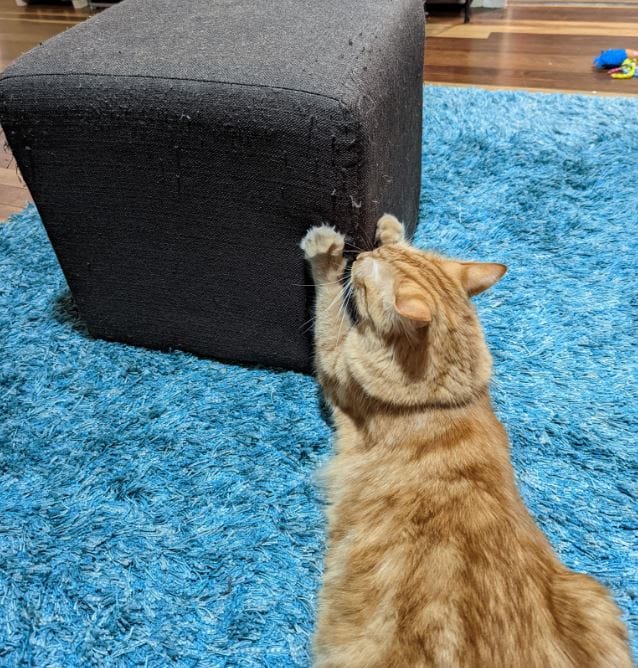
For cat owners, the battle to protect furniture from sharp claws is ongoing. Understanding the textile preferences of felines is not merely a matter of anecdotal observation—it is a field supported by applied animal behavior science. This article provides a detailed, professional analysis of the fabrics cats are least likely to scratch, integrating scientific research and material science to help you make informed decisions for your home.
Understanding Feline Scratching Preferences
To determine which fabrics are safe from feline claws, it is essential to understand why cats scratch specific materials. Scratching is a natural, ingrained behavior used for nail conditioning, territorial marking (via scent glands in the paws), and stretching . Cats are not destructive out of spite; they are responding to specific physical stimuli offered by the material in question.
The Science of Texture and Weave
Research indicates that cats exhibit a strong preference for specific textures. A 2023 study published in the Journal of Applied Animal Welfare Science evaluated the fabric preferences of cats in rescue organizations. The study found a definitive preference for chenille, likely due to its looped, textured surface that offers high resistance and allows claws to sink in and pull . Conversely, the study identified a clear non-preference for synthetic leather and waterproof grosgrain .
The primary factor influencing a cat’s choice is the tightness of the weave. Cats prefer fabrics with elevated, loose weaves that allow their claws to penetrate deeply and provide significant resistance when they drag their claws through the material . Fabrics with short, tight weaves do not offer this satisfying “pull,” making them significantly less attractive to the average feline .
Fabrics Cats Generally Dislike
Based on current research and expert consensus, the following fabrics are the least likely to be targeted by cats.
1. Velvet
Velvet is consistently cited by feline behavior experts and pet owners as a fabric that most cats will not scratch . The material features a very small and densely packed weave. When a cat attempts to claw velvet, the claws cannot find purchase. The lack of resistance means the behavior is not reinforced, causing most cats to lose interest .
2. Microfiber and Microsuede
Microfiber and its variant, microsuede, possess a tight, short-pile weave that cats find unappealing for scratching . The fibers are packed tightly together, preventing the claws from penetrating the surface. As one expert notes, “cats don’t like to scratch velvet or that smooth microfiber is really good because cats hate scratching it apparently” .
3. Faux Suede and Ultra Suede
Like microfiber, faux suede and ultra suede are constructed with tight weaves. These materials are recommended as “cat-friendly” furniture options because they lack the texture required for a satisfying scratch .
4. Synthetic Leather
Scientific research supports the use of synthetic leather as a deterrent. In a controlled study, groups of cats showed a non-preference for synthetic leather when compared to more textured fabrics like chenille . This indicates that it is a safer choice for upholstery than looser weaves.
5. Waterproof Grosgrain
Grosgrain, characterized by its tight, ribbed texture, was also identified in the scientific study as a fabric that cats do not prefer . While not commonly used for sofas, it is a helpful data point for textile selection.
Comparative Analysis: High-Risk vs. Low-Risk Fabrics
The following table provides a professional comparison of fabric types based on current behavioral science and material analysis.
Practical Recommendations and Caveats
While selecting the right fabric is a powerful deterrent, it is not a guarantee. Individual cat personalities and preferences can vary significantly .
The Importance of Alternatives
Even if you choose a “scratch-proof” fabric, experts emphasize that cats need to scratch. If you do not provide an appealing alternative, a determined cat may scratch a less-preferred fabric out of necessity. The solution is to provide highly desirable scratching posts . Materials that are known to be highly attractive to cats include:
- Chenille (highly preferred) .
- Corrugated Cardboard (offers excellent resistance) .
- Sisal Rope (though some research suggests stiffness may be a deterrent, many cats enjoy it) .
- Soft, untreated wood or natural bark .
Behavior Modification
If a cat does target a low-risk fabric, consider additional deterrents. Cats often dislike certain textures on their paws, such as sticky surfaces (e.g., double-sided tape) or the unstable feeling and crinkly sound of aluminum foil . A “scat mat” with soft plastic spikes (though generally safe) can also be used to temporarily discourage cats from approaching furniture .
Conclusion
For homeowners seeking to protect their investment in furniture, the scientific consensus points toward fabrics with tight weaves and low pile. Velvet, microfiber, faux suede, and synthetic leather are currently the safest options supported by both expert opinion and peer-reviewed research. By combining these material choices with the provision of highly desirable, scratch-friendly alternatives (such as chenille or cardboard), you can effectively manage your cat’s natural scratching instincts while preserving the aesthetic integrity of your home.