Will Steel Wool Scratch Porcelain? A Comprehensive Technical Analysis
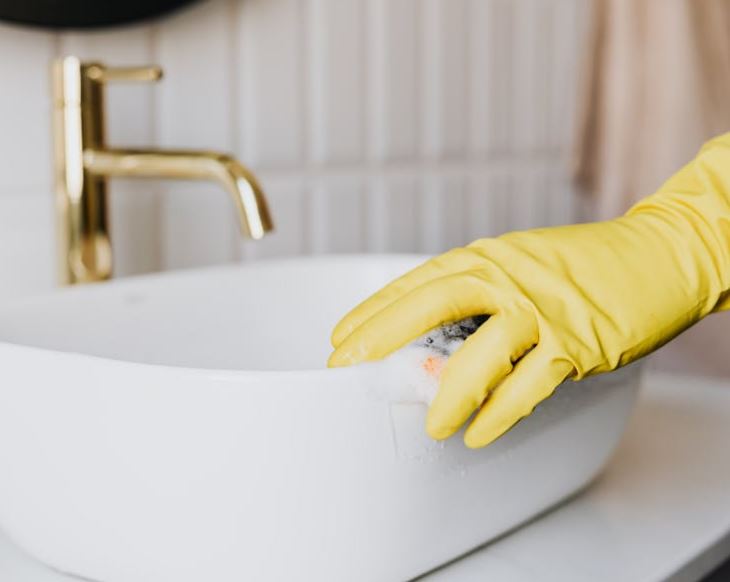
Porcelain’s reputation for durability often leads to confusion about appropriate cleaning methods. While porcelain is hard and heat-resistant, its glazed surface is susceptible to damage from abrasive materials. This article provides a detailed, evidence-based analysis of whether steel wool can safely be used on porcelain, supported by materials science and expert consensus.
Understanding the Materials: Porcelain vs. Steel Wool
The Nature of Porcelain
Porcelain is a ceramic material fired at high temperatures, featuring a glass-like glaze that provides its characteristic smooth, glossy finish. This vitreous enamel layer is what gives porcelain its stain resistance and aesthetic appeal. However, the glaze is a separate layer from the underlying ceramic body and has limited thickness.
The hardness of porcelain glaze is typically measured using the Mohs scale, a standard that rates mineral hardness from 1 (talc) to 10 (diamond). Porcelain and vitreous enamel finishes generally measure 5 to 6 on the Mohs scale. This places porcelain in the same hardness range as glass, which measures approximately 5.5.
Steel Wool’s Properties
Steel wool consists of fine, flexible strands of low-carbon steel. The metal typically measures between 4 and 4.5 on the Mohs hardness scale. Steel wool is classified by grades, with higher numbers indicating finer fibers:
| Grade | Description | Fiber Fineness |
|---|---|---|
| #4 | Coarse | Thickest fibers |
| #3 | Medium-Coarse | |
| #2 | Medium | |
| #1 | Fine | |
| #0 | Very Fine | |
| #00 | Extra Fine | |
| #000 | Super Fine | |
| #0000 | Ultra Fine | Thinnest fibers |
The Scientific Answer: Does Steel Wool Scratch Porcelain?
The short answer is yes—but with important qualifications. The relationship between steel wool and porcelain is governed by the principles of relative hardness and abrasive mechanics.
Theoretical vs. Practical Hardness
Theoretically, since steel (4-4.5 Mohs) is softer than porcelain glaze (5-6 Mohs), steel wool should not scratch the surface. This principle underlies some manufacturers’ claims that steel wool is “safe for porcelain”.
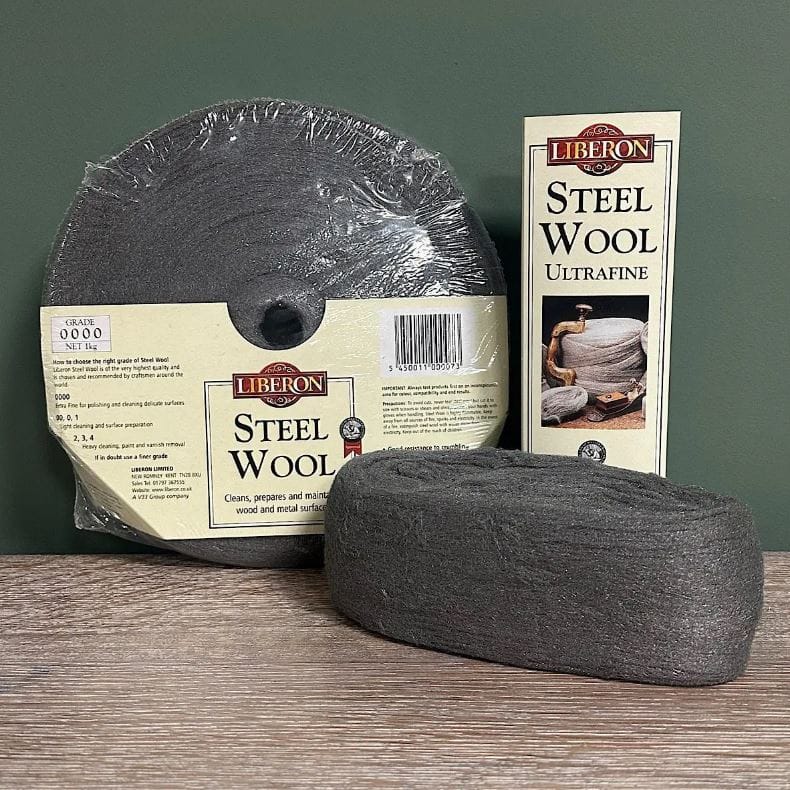
However, real-world experience contradicts this theory. The explanation lies in several factors:
- Abrasive Particle Mechanics: Steel wool acts as an abrasive by cutting and shearing surface material. Even if the abrasive material is technically “softer,” the mechanical action of scrubbing can create micro-scratches through fatigue and surface wear.
- Surface Contaminants: Steel wool can trap and drag harder particles (dirt, grit, mineral deposits) across the surface, causing scratches that the steel itself would not produce.
- Glaze Quality Variation: Not all porcelain glazes achieve the theoretical hardness of 5-6 Mohs. Lower-quality or matte finishes may be significantly softer.
- Embedded Fiber Issues: Steel wool fibers can break off and become embedded in the porcelain surface or grout, later rusting and causing permanent staining.
Risks of Using Steel Wool on Porcelain
1. Surface Scratching
The abrasive nature of steel wool creates micro-scratches that compromise the smooth glaze. These scratches are often visible as fine lines or a general dulling of the surface.
2. Loss of Gloss and Shine
Repeated or aggressive scrubbing dulls the glossy finish, resulting in a matte or uneven appearance. This damage is typically permanent as it removes the smooth outer layer of the glaze.
3. Increased Stain Susceptibility
Once scratched, the porcelain becomes more porous and vulnerable to stains. Dirt and grime become trapped in microscopic grooves, making cleaning progressively more difficult.
4. Hygiene Concerns
Scratched surfaces can harbor bacteria in microscopic grooves, compromising hygiene standards in kitchen and bathroom environments.
5. Potential Chipping or Cracking
In thinner or lower-quality porcelain, aggressive scrubbing with steel wool may cause chips or cracks in the glaze.
6. Metal Marks
Steel wool can leave grey metallic marks on the porcelain surface. While these may sometimes be removed with polishing compounds, they are undesirable.
Expert Consensus and Industry Standards
Professional Cleaning Industry Position
The European Enamel Association characterizes vitreous enamel surfaces as having beneficial properties but requiring proper care to maintain their integrity. ISO 15695:2000 provides specific test methods for determining scratch resistance of enamel finishes, acknowledging that these surfaces can be damaged by scratching.
Leading cleaning professionals unequivocally advise against using steel wool on porcelain. Ryan Knoll of Tidy Casa states, “Please avoid steel wool—this is the stuff that will remove that glaze”. Similarly, Taylor Riley of Stay Clean Solutions warns, “The moment you scratch porcelain is the moment cleaning gets harder from then on”.
Manufacturers’ Claims and Marketing Language
Some steel wool manufacturers market their products as safe for porcelain, stating they are “designed to be able to provide professional-grade cleaning without leaving surface scratches behind”. However, these claims typically reference the finest grades (000 or 0000) and assume professional-level technique with light pressure.
This creates a critical distinction: theoretical safety under optimal conditions does not equate to practical safety for general use.
Comparative Analysis: Porcelain Types and Steel Wool Suitability
| Porcelain Type | Glaze Hardness | Resistance to Abrasives | Steel Wool Suitability |
|---|---|---|---|
| High-Quality Glazed Porcelain | Hard (Mohs 5.5-6) | Moderate to High | Use with extreme caution; 0000 grade only |
| Standard Glazed Porcelain | Medium (Mohs 5-5.5) | Moderate | Not recommended |
| Matte or Satin Finish Porcelain | Soft (Mohs <5) | Low | Should be avoided entirely |
| Unglazed Porcelain | Variable | Variable | Possible but highly risky |
Based on analysis from Walker Metal Smith
When Steel Wool Might Be Considered
In limited, specific circumstances, ultra-fine steel wool (grade 0000) might be used on porcelain:
- Professional Restoration Work: Where controlled, light abrasive action is needed to remove specific deposits.
- Heavy Stains on Quality Porcelain: When all other methods have failed, and the user accepts the risk of surface dulling.
However, experts strongly recommend: “Testing on an inconspicuous area is critical before applying it to visible surfaces”.
Recommended Alternatives for Porcelain Cleaning
Compiled from multiple expert sources
Recommended Cleaning Process for Porcelain
- Rinse with warm water to remove loose debris.
- Apply baking soda or a paste of baking soda and hydrogen peroxide.
- Scrub gently with a soft sponge in circular motions.
- Let sit for 10-15 minutes for deeper stains.
- Rinse thoroughly with warm water.
- Dry completely with a microfiber cloth to prevent water spots.
Conclusion
The answer to whether steel wool will scratch porcelain is nuanced:
- Theoretically, ultra-fine steel wool (Mohs 4-4.5) is softer than porcelain glaze (Mohs 5-6) and should not scratch.
- Practically, the use of steel wool on porcelain carries significant risks of surface damage, loss of gloss, and permanent aesthetic degradation.
- Expert consensus strongly advises against using steel wool on porcelain, recommending gentler alternatives.
- If steel wool must be used, only the finest grade (0000) should be considered, applied with extreme caution on a test area first.
For most homeowners and professionals, the risks of using steel wool on porcelain outweigh any potential benefits. The surface is too valuable and vulnerable to compromise for the convenience of aggressive scrubbing. Safer alternatives—baking soda pastes, hydrogen peroxide, vinegar solutions, and appropriate non-abrasive tools—provide effective cleaning without jeopardizing the porcelain’s integrity.