Does Vinegar Kill Brown Recluse Spiders? A Complete Guide
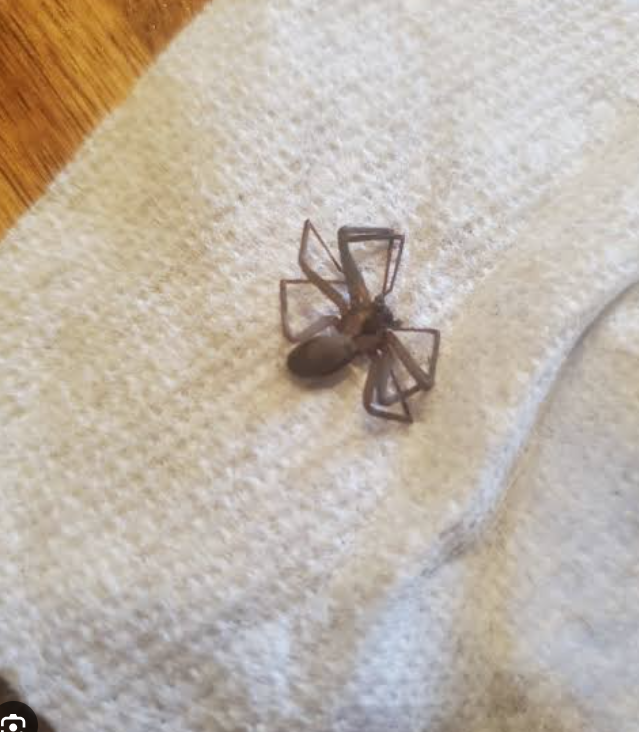
Vinegar can kill brown recluse spiders on direct contact, but it is not a reliable solution for eliminating an infestation. The acetic acid in vinegar acts as a contact killer and repellent, but its effectiveness is limited to spiders you can actually see and spray. For true control, professional-grade insecticides and comprehensive prevention strategies are necessary.
Understanding the Brown Recluse Threat
The brown recluse spider (Loxosceles reclusa) is one of the few medically significant spiders in the United States. Adults grow up to half an inch long and are identifiable by a violin-shaped marking on their thorax, though this mark can be difficult to see . They are found primarily in the Midwest and South Central United States .
These spiders are not aggressive and bite only when trapped against the skin—typically when someone rolls onto one in bed, puts on clothing or shoes where a spider is hiding, or reaches into storage areas . Their venom contains sphingomyelinase D, an enzyme that destroys blood vessels and tissue at the bite site, causing necrosis .
Important distinction: Many wounds attributed to brown recluse bites are actually caused by other problems, and diagnosis is often uncertain without retrieving the spider .
How Vinegar Works Against Brown Recluse Spiders
Vinegar’s primary active component is acetic acid, which gives it a sharp, pungent odor. Brown recluse spiders have highly sensitive sensory organs on their legs that are easily overwhelmed by strong scents . This creates a dual effect:
- Direct contact kill: When sprayed directly on a spider, the acidity of vinegar can kill it within minutes .
- Repellent action: The strong smell disrupts the spider’s ability to detect prey and safe hiding spots, making treated areas less inviting .
DIY Vinegar Solutions
Limitations of Vinegar for Brown Recluse Control
While vinegar has its place in a DIY pest control toolkit, it has significant limitations for brown recluse management:
1. No Residual Effect
Vinegar evaporates quickly and leaves no lasting residue. Unlike professional insecticides that continue killing spiders for weeks or months, vinegar only works where and when you spray it .
2. Limited Reach
Brown recluse spiders are reclusive by nature. They hide in wall voids, behind baseboards, inside electrical outlets, and in cluttered storage areas—places where a spray bottle simply cannot reach .
3. Repellent, Not Eliminator
Vinegar may discourage spiders from treated areas, but it does not eliminate the underlying population. The spiders will simply relocate to untreated spaces within the same structure .
4. No Impact on Eggs or Hidden Spiders
Vinegar sprayed on surfaces will not penetrate egg sacs or reach spiders deep within wall voids and insulation .
Professional-Grade Control Methods
For effective brown recluse management, professional-grade products and strategies are necessary.
Where to Apply Professional Treatments
- Cracks and crevices behind baseboards, outlet covers, and switch plates
- Wall voids where spiders hide during the day
- Under insulation in attics and crawl spaces
- Basements and garages with cluttered storage
- Perimeter treatment around foundation, door frames, and window frames
Prevention: The Most Important Step
Brown recluse control is fundamentally about habitat modification. Without addressing the conditions that attract and sustain spiders, any treatment—including vinegar—will only provide temporary relief.
Critical Prevention Strategies
- Reduce clutter: Replace cardboard boxes with plastic containers. Eliminate piles of papers, clothing, and debris where spiders hide .
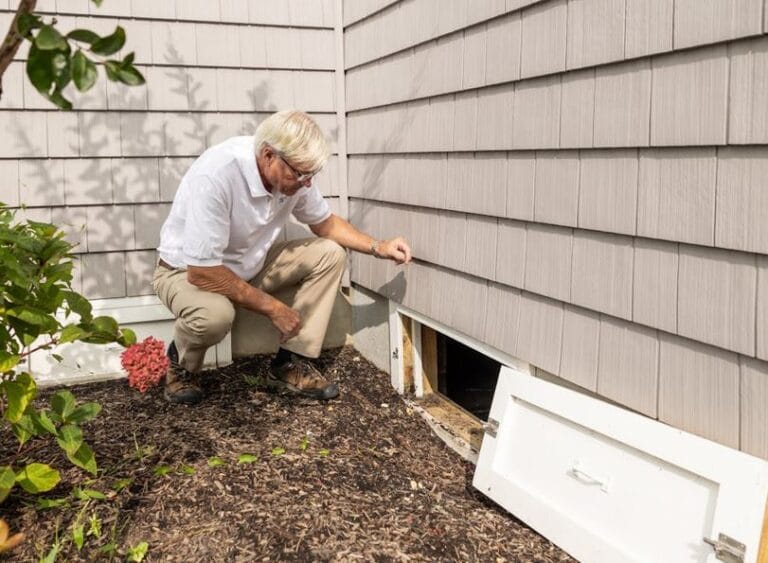
- Seal entry points: Caulk cracks and gaps around pipes, cables, vents, and foundation lines. Install weather stripping on doors and tight-fitting screens on vents .
- Manage vegetation: Cut back shrubs and ivy from the foundation. Keep grass short. Move firewood and lumber away from the house .
- Control prey insects: Brown recluse spiders feed on other insects. Reducing insect populations removes their food source .
- Shake and inspect: Always shake out clothing, shoes, and bedding stored in closets, basements, or garages before use .
When to Call a Professional
Consider professional pest control if:
- You find multiple brown recluse spiders over several days or weeks
- You see egg sacs, shed skins, or baby spiders
- Vinegar and DIY methods have not reduced sightings
- There are infants, young children, elderly individuals, or immunocompromised people in the home
If You Are Bitten: Immediate Steps
Seek medical care immediately if you suspect a brown recluse bite. While most bites heal without serious complications, tissue necrosis and systemic reactions can occur .
First Aid Measures
When to Seek Emergency Care
- You are unsure if the bite was from a dangerous spider
- The wound is getting larger or shows signs of necrosis (black, dead tissue)
- You experience fever, chills, nausea, or vomiting
- You have signs of hemolytic anemia (rash of tiny purple/red spots, jaundice)
- You have difficulty breathing or swallowing
Note: There is no antivenom commercially available in the United States or Canada for brown recluse bites. Treatment focuses on wound care, symptom management, and in severe cases, hospitalization for supportive care .
Conclusion
Vinegar is a useful tool for killing brown recluse spiders on direct contact and temporarily repelling them from treated areas, but it is not a standalone solution for infestations. The spiders’ reclusive nature and ability to hide in inaccessible spaces mean that effective control requires a comprehensive approach: professional-grade residual insecticides applied to harborage areas, thorough habitat modification to eliminate hiding places, and ongoing monitoring. If you have a confirmed or suspected brown recluse infestation, the most reliable path to resolution is consulting a licensed pest control professional who can apply targeted treatments safely and effectively.