Does Vinegar Hurt Septic Tanks? What Homeowners Need to Know
The short answer: Household white vinegar used in normal cleaning amounts is generally safe for septic systems. The long answer involves understanding concentration, volume, and the biological balance inside your tank.
If you rely on a septic system, you quickly learn that what goes down your drains matters. Bleach, paint, solvents, and chemical drain cleaners are well-known enemies of the beneficial bacteria that make your system work. But vinegar occupies a confusing middle ground: it is a mild acid that kills some bacteria, yet it is also widely recommended as a natural, septic-safe cleaning alternative.
This guide breaks down the science, the risks, and the practical limits so you can clean your home without sabotaging your wastewater treatment system.
How a Septic System Works (and Why pH Matters)
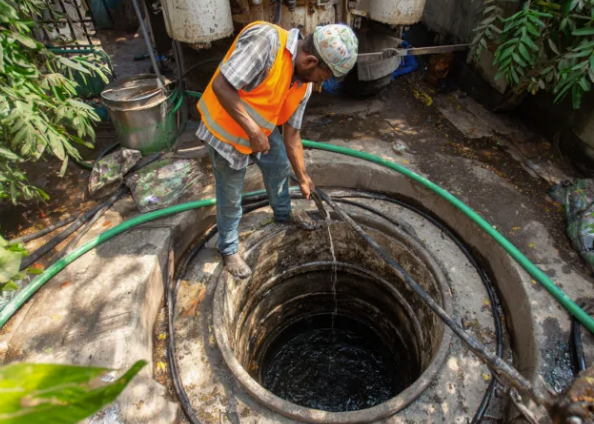
A septic tank is not just a holding tank. It is a living, biological treatment system. The tank creates an oxygen-free environment where anaerobic bacteria consume and break down organic solids that enter from your household drains. These bacteria convert waste into sludge, liquids, and gases, preventing solids from accumulating too quickly and flowing out into your drainfield.
This microbial workforce is sensitive to its environment. Septic bacteria perform best when the wastewater pH stays between 6.8 and 7.6—essentially neutral. Significant swings toward acidity or alkalinity can stress the bacterial colony, slowing digestion or, in extreme cases, causing a partial die-off.
The soil in your drainfield contains its own community of microorganisms that further treat the wastewater before it returns to groundwater. These organisms are also vulnerable to chemical disruption.
The Chemistry of Vinegar: Concentration Is Everything
Vinegar is a diluted solution of acetic acid. The key word is diluted.
| Vinegar Type | Acetic Acid Concentration | Typical Use |
|---|---|---|
| Standard white vinegar | 5% | Cooking, household cleaning |
| Cleaning vinegar | 6% | Heavy-duty household cleaning |
| Horticultural vinegar | 20–30% | Weed control, industrial applications |
Standard household white vinegar contains only about 5% acetic acid, with the remaining 95% being water. Cleaning vinegar is only slightly stronger at around 6%. Horticultural or industrial vinegars are a different animal entirely, with concentrations that can reach 20% to 30% or higher—these are corrosive and should never be poured down any drain, septic or otherwise.
The distinction matters because the risk vinegar poses to a septic system scales directly with concentration and volume.
What Happens When Vinegar Enters the Septic Tank
When you pour a cup of white vinegar down a drain, several things happen almost simultaneously:
Immediate dilution. The vinegar mixes with the water in your drain pipes, then enters a septic tank that typically holds 1,000 to 1,500 gallons of wastewater. A single cup of 5% acetic acid introduced into that volume is diluted to an almost negligible concentration.
Temporary pH shift. The acetic acid may cause a small, localized drop in pH near where it enters the tank. However, the tank’s massive volume acts as a buffer, and the bacterial population is generally robust enough to recover from minor environmental fluctuations.
Potential benefit. In small amounts, mild acid can help break down soap scum and mineral deposits in pipes, which may actually improve flow.
The risk arises only when the system is hit with a large, concentrated volume of high-acidity vinegar all at once. Dumping several gallons of cleaning vinegar down the drain could temporarily lower the tank’s pH enough to inhibit bacterial activity.
The Official Guidance: What Experts and Agencies Say
The search results reveal a striking lack of consensus among official sources—which itself is informative.
Sources that list vinegar as safe (in moderation):
- A municipal septic care fact sheet recommends vinegar as a safe cleaning alternative for windows and mirrors, and specifically endorses the baking soda-and-vinegar drain cleaning method.
- The Village of Belcarra’s septic disposal guidance suggests a mixture of baking soda, vinegar, and boiling water as a safe alternative drain cleaner.
- One European expert advice source states that “household use white vinegar is safe for septic systems” and even suggests using it for cleaning the tank itself.
- An engineering-focused source concludes that routine use of household vinegar is “generally considered harmless,” with risks only from large concentrated volumes.
Sources that list vinegar as something to avoid:
- The Village of Belcarra also includes vinegar on a “Don’t” list alongside paint, solvents, chemicals, and disinfectants. This apparent contradiction within the same source suggests the guidance may be overly cautious or intended to prevent bulk disposal rather than normal cleaning use.
- A septic disposal guide for a Canadian municipality explicitly warns against putting vinegar into the system.
What the EPA says about additives and chemicals:
The U.S. Environmental Protection Agency does not recommend septic system additives of any kind—biological or chemical—because systems already contain sufficient bacteria to function properly. The EPA also warns that inorganic compounds like strong acids and alkalis found in commercial drain cleaners can damage pipes and disrupt bacterial processes. Vinegar is far milder than these products, but the principle of caution applies.
Safe Use Guidelines for Septic System Owners
Based on the available evidence, here is a practical framework for using vinegar in a home with a septic system:
The baking soda and vinegar drain cleaner deserves special mention. This combination is explicitly recommended by multiple municipal and environmental sources as a septic-safe alternative to chemical drain cleaners. The typical recipe is:
- Pour ½ cup baking soda down the drain
- Follow with ½ cup white vinegar
- Cover and let sit for 15–30 minutes
- Flush with boiling water (not for ceramic toilets) or hot tap water
The fizzing reaction mechanically loosens light soap scum and grease deposits without introducing harsh chemicals into the tank.
What Actually Harms Septic Systems (Beyond Vinegar)
While vinegar is a low-risk concern, these substances pose genuine threats:
If your septic system develops an odor, slow drains, or other problems, the solution is not an additive or a stronger cleaner. It is an inspection by a septic professional to identify the underlying issue.
The Bottom Line: Moderation Is the Key
Vinegar is not a villain for septic system owners. In the quantities used for normal household cleaning—a cup here, a splash there—standard 5% white vinegar is safely diluted by the sheer volume of water in a septic tank and poses no meaningful threat to your system’s bacteria.
The risks emerge only with large-volume disposal of high-concentration vinegar. If you find yourself needing to dispose of gallons of vinegar, do not pour it down the drain. Neutralize it with baking soda first, or dilute it heavily and spread it outdoors away from plants and waterways.
The most important takeaway is this: your septic system does not need vinegar, additives, or miracle treatments. It needs regular pumping every 3–5 years, water conservation, and a commitment to keeping genuinely harmful chemicals out of your drains. Vinegar is a useful tool in that maintenance routine, not a threat to it—provided you use it with the same moderation you would apply to any household product.