Does Pine Sol Kill Weeds? The Science, Risks, and Safer Alternatives
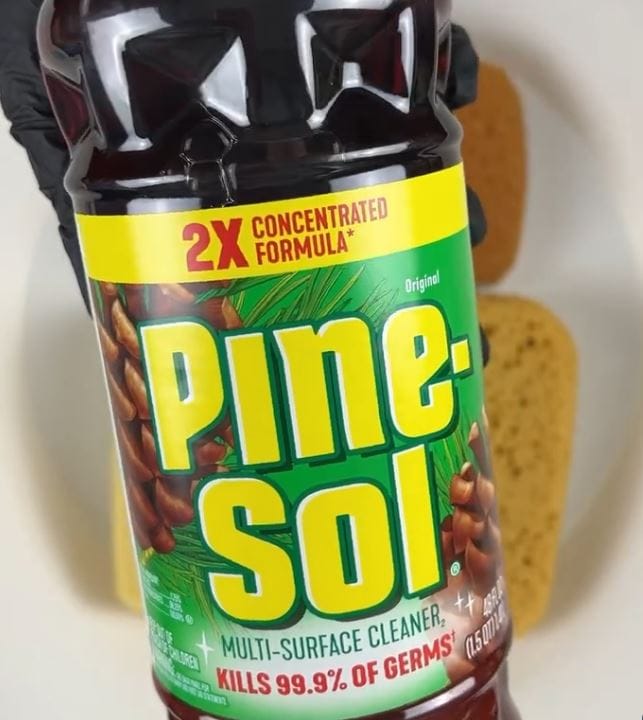
The internet is awash with household “hacks,” and one of the most persistent is the use of Pine Sol as a weed killer. Homeowners, frustrated by tenacious driveway weeds, might eye that bottle of multi-surface cleaner and wonder if its potent chemical smell translates to herbicidal power.
The short answer is yes, undiluted Pine Sol can kill or damage small, young weeds, but it is not a registered herbicide, it poses significant environmental risks, and it is unsustainable for soil health. This article provides a deep dive into the chemistry of why it works, why you shouldn’t use it, and what to use instead.
The Chemistry of Phytotoxicity: Why Pine Sol Damages Plants
To understand the interaction between Pine Sol and weeds, we must first dismantle the “cleaner” and analyze its components. Pine Sol’s original formula (and many variants) relies on three primary active ingredients that contribute to its phytotoxic (plant-killing) properties.
1. The Solvent Carrier: Alcohols and Glycols
Most pine oil cleaners contain isopropyl alcohol or glycol ethers as carriers. These solvents act as desiccants. When applied to a leaf, they strip away the protective waxy cuticle that prevents water loss. Without this cuticle, the plant’s cells rupture and dehydrate rapidly. This is a contact effect—similar to spraying rubbing alcohol on an insect.
2. Surfactants (Cleaning Agents)
Pine Sol contains potent synthetic surfactants (such as sodium lauryl sulfate or linear alkylbenzene sulfonates). In horticulture, we use mild surfactants to help herbicides spread and stick to leaves. However, industrial-strength surfactants in household cleaners are corrosive to cell membranes. They dissolve the lipid bilayer of plant cells immediately, causing necrosis (browning and death) of the leaf tissue.
3. Pine Oil (The Active Fragrance)
While mild concentrations of true pine oil have traditional uses in organic gardening as a fungicide or insecticide, the concentration in Pine Sol, combined with proprietary detergents, acts as a cellular penetrant. It infiltrates the stomata (leaf pores) and disrupts metabolic functions.
The result: A spray of full-strength Pine Sol acts as a non-selective contact herbicide. It desiccates and burns the green tissue it touches.
Efficacy vs. True Herbicides: A Comparative Analysis
The critical distinction between Pine Sol and a registered weed killer lies in their mode of action and translocation.
| Feature | Pine Sol (Full-Strength) | True Systemic Herbicide (e.g., Glyphosate) | Horticultural Vinegar (20% Acetic Acid) |
|---|---|---|---|
| Mode of Action | Contact Desiccant & Cell Membrane Disruption. | Systemic Enzyme Inhibition (targets EPSP synthase). | Contact Desiccant (pH burn). |
| Target Site | Green foliage only. | Foliage, stems, and root system (translocates). | Green foliage only. |
| Effect on Perennial Weeds (Dandelions, Thistle) | Temporary Top-Kill. Leaves burn, but the deep taproot survives and regrows within days. | Permanent Kill. Moves to roots, killing the entire plant. | Temporary Top-Kill. Requires multiple applications to exhaust root reserves. |
| Soil Residual | Destroys beneficial soil mycorrhizae; changes soil pH temporarily; sodium buildup risk. | Binds tightly to soil particles; low residual activity. | pH spike; long-term acidity if overused. |
| Regulatory Status | Not labeled; illegal to apply as a pesticide in many jurisdictions. | FIFRA regulated; EPA-approved labeling. | Legal, but requires caution; non-selective. |
The “Root” of the Problem
The most deceptive aspect of using Pine Sol is the “green-up” trap. You spray a dandelion in your patio cracks. By morning, it’s a blackened, wilted mess. You declare victory. However, because Pine Sol cannot penetrate the plant’s vascular system to kill the root, that dandelion has stored enough energy to push up a new rosette of leaves within 10 to 14 days. You have achieved the illusion of control, not a solution.
The Hidden Dangers: Soil Health and Runoff
Applying Pine Sol to soil is not a benign act. It introduces a suite of chemicals not designed for the terrestrial ecosystem.
1. The Sodium Hazard
Cleaning agents often contain sodium-based compounds. Drenching soil with a saline solution induces a chemical drought. Plants struggle to uptake water due to osmotic pressure, and soil structure collapses, leading to compaction. Sodium is notoriously difficult to flush from heavy clay soils.
2. Microbial Annihilation
Healthy soil is a living biome of fungi, bacteria, and actinomycetes. The biocide action of the surfactants and pine oil doesn’t stop at the weed. It rips through the cell walls of beneficial mycorrhizal fungi that support neighboring ornamental plants. Sterilizing the soil in your patio cracks or flower beds creates a biological vacuum that invasive weed seeds rapidly colonize.
3. Wildlife and Pets
While Pine Sol is often marketed with a “clean” scent, its undiluted runoff is toxic to aquatic life (fish and amphibians). Pets walking through treated pavers can suffer chemical burns on paw pads, and ingestion through grooming can lead to severe vomiting and central nervous system depression.
Legal Note: The FIFRA Compliance Issue
This is the most compelling reason to avoid this hack. Under the Federal Insecticide, Fungicide, and Rodenticide Act (FIFRA) , a substance intended to kill a “pest” (including weeds) is legally a pesticide. It is a violation of federal law to use a product like Pine Sol in a manner inconsistent with its EPA-approved label. The label states it is a cleaner for hard, non-porous surfaces. Using it as a soil drench or foliar spray to kill plants is an off-label and technically illegal application. Professional applicators are strictly prohibited from such practices.
A Strategic Guide to Non-Selective Weed Control
If you are chemically averse and seeking “non-traditional” solutions, there is a right way to do it. Below is a professional hierarchy of physical and chemical controls.
Tier 1: Physical & Thermal (Gold Standard)
- Boiling Water: Pouring boiling water over a weed is a 100% organic contact killer. It cooks the cell proteins instantly. Excellent for patio cracks. Repeat every 2-3 days for stubborn perennials.
- Propane Torch (Thermal Weeder): This is the superior tool. You don’t need to burn the weed to ash; simply wilt the leaves with a flame. This ruptures the cell vacuoles, causing the plant to dehydrate. This is far safer for the soil microbiome than chemical drenches.
Tier 2: True Bio-Herbicides
If you must spray, use substances with proven chemistry that break down harmlessly.
| Solution | Recipe | Mode of Action | Best For |
|---|---|---|---|
| 20% Horticultural Vinegar | Ready-to-use (Do not use 5% kitchen vinegar). | Acetic acid burn. Rapid dehydration. | Annual weeds in sunny locations. |
| Vinegar + Salt + Soap | 1 Gal 5% Vinegar, 1 Cup Table Salt, 1 tbsp Dish Soap. | Desiccation + osmotic shock. | Gravel paths only! Salinizes soil permanently. Never use in flower beds. |
| Citrus Oil Blends | d-Limonene concentrates. | Strips cuticle; highly flammable. | Pavers and mulch beds. |
Tier 3: Targeted Chemical Synthesis
For invasive perennial weeds (bindweed, Canada thistle, Japanese knotweed), the bio-hacks fail consistently. A responsible application of a systemic herbicide (glyphosate or triclopyr), carefully painted onto the leaves with a foam brush to eliminate drift, is the scientifically sound and environmentally safer choice than monthly dousings of salty cleaning fluid.
Conclusion: Clean the Floors, Not the Foliage
Pine Sol will “kill” weeds in the same way a blowtorch will mow a lawn: it achieves a brutal, temporary destruction of visible foliage without addressing the underlying biological structure. It introduces sodium and toxic surfactants into your soil, which is a counterproductive step for long-term landscape management.
The Verdict: Leave the Pine Sol in the bucket. For a clean, sustainable landscape, rely on thermal control or properly labeled bio-herbicides that offer transparency in their chemical degradation, rather than repurposing household detergents with hidden ecological costs.