Does Apple Cider Vinegar Kill Poison Ivy? A Detailed Scientific and Practical Analysis
Quick Answer: Apple cider vinegar is not a reliable cure for poison ivy rash and is not recommended by medical authorities for treating the skin reaction. While vinegar solutions can damage poison ivy plants in gardening contexts, they rarely kill the roots, and applying apple cider vinegar to a poison ivy rash carries significant risks of chemical burns and skin irritation without addressing the underlying allergic reaction.
Understanding Poison Ivy: The Root of the Problem
Poison ivy, along with poison oak and poison sumac, contains a potent oil called urushiol. This oily resin is present in every part of the plant—leaves, stems, roots, and berries—and remains active even on dead plant material for years.
When urushiol contacts human skin, it binds within 10 to 15 minutes. Approximately 50 to 70% of people are allergic to this oil. Once sensitized, subsequent exposure triggers an immune response that manifests as:
- Intense itching (often the first symptom)
- Red, swollen rash appearing in streaks or lines
- Multiple blisters ranging from tiny to very large
- Symptoms typically begin 8 to 48 hours after contact
Critically, urushiol is not contagious—the blister fluid cannot spread the rash to others or to different parts of your own body. The rash spreads only through continued contact with contaminated objects or because different skin areas absorbed the oil at different rates.
The Two Distinct Questions: Rash Treatment vs. Plant Eradication
Much of the confusion surrounding apple cider vinegar and poison ivy stems from conflating two entirely different scenarios:
Understanding this distinction is essential for making safe decisions.
Apple Cider Vinegar for Poison Ivy Rash: What the Evidence Shows
The Claim
Proponents of apple cider vinegar for poison ivy suggest that its acidity “dries up” the rash and provides itch relief. Some online sources claim vinegar is “wonderful for poison ivy”.
The Medical Consensus
Major medical organizations do not endorse this practice. The National Poison Control Center explicitly does not recommend vinegar on wounds because it can cause irritation or chemical burns. Healthline notes that the relief, if any, is “most likely temporary,” and the lack of scientific evidence combined with readily available proven treatments should deter people from trying it.
The Risks
What Actually Works for Rash Treatment
The American Academy of Dermatology and other medical authorities recommend the following evidence-based treatments:
Important: If you experience difficulty breathing, swelling of the face or throat, rash covering most of your body, or fever, seek emergency care immediately.
Apple Cider Vinegar for Killing Poison Ivy Plants: A Gardening Perspective
How Vinegar Works on Plants
Vinegar (acetic acid) acts as a contact herbicide. When sprayed on plant foliage, it ruptures cell walls, causing the leaves and stems to dry out and die. However, it does not translocate to the roots—it only kills what it touches.
The Concentration Problem
The Root Problem
Poison ivy is a perennial vine with an extensive root system. Even if vinegar kills every visible leaf, the roots store carbohydrates that allow the plant to regenerate. Cooperative Extension experts confirm that vinegar-based DIY sprays (including popular recipes with salt and dish soap) “will not be likely to kill the plant”—the roots will survive and send up new shoots.
Practical Limitations
- Repeat applications required: Vinegar kills top growth, but new shoots emerge from roots within weeks
- Non-selective: Vinegar damages or kills any plant it contacts, including desirable garden plants
- Soil effects: Salt-based vinegar recipes can accumulate sodium in soil, harming future plantings
- Safety hazards: Horticultural vinegar (20–30%) can cause irreversible skin and eye damage—gloves and goggles are mandatory
What Actually Kills Poison Ivy Plants
Comparison Table: Apple Cider Vinegar vs. Proven Alternatives
For Rash Treatment
For Plant Eradication
| Method | Kills Roots? | Speed | Environmental Impact | Safety Risk |
|---|---|---|---|---|
| ACV Spray | No | Slow (days) | Low | Low (household strength) |
| Horticultural Vinegar | No | Moderate | Low (breaks down quickly) | High (caustic) |
| Glyphosate/Triclopyr | Yes | Moderate | Moderate (follow label) | Moderate (PPE required) |
| Manual Digging | Yes (if thorough) | Immediate | None | Urushiol exposure risk |
| Repeated Cutting | Eventually | Years | None | Urushiol exposure risk |
Safe Practices: What You Should Do Instead
If You Have a Poison Ivy Rash
- Do not apply apple cider vinegar or other acidic substances to the rash
- Wash the area gently with soap and cool water if you suspect recent contact
- Use cool compresses, calamine lotion, or hydrocortisone cream for itch relief
- Take oral antihistamines if itching interferes with sleep
- Do not scratch—this can cause infection
- Leave blisters intact—they protect the healing skin beneath
- See a doctor if the rash is severe, on your face or genitals, or shows signs of infection
If You Want to Remove Poison Ivy Plants
- Wear protective clothing: Long sleeves, long pants, waterproof gloves, eye protection
- Never burn poison ivy—inhaling urushiol can cause severe lung irritation
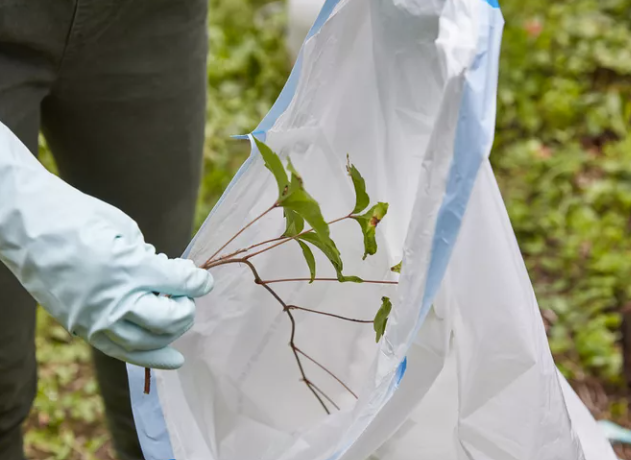
- Dig out roots when possible; bag all plant material in heavy plastic and dispose in trash
- For herbicides: Cut stems and paint cut ends with a product labeled for poison ivy, or spray foliage on a calm day
- Wash all tools, clothing, and gloves with soap and water or alcohol after handling
- Check for regrowth regularly—poison ivy requires persistence to eradicate fully
Frequently Asked Questions
Can apple cider vinegar prevent a poison ivy rash if applied immediately after exposure?
No. The urushiol oil binds to skin within 10–15 minutes. Washing with soap and water immediately after exposure is the only way to potentially remove the oil before it binds. Vinegar does not neutralize urushiol.
Does apple cider vinegar stop the spread of poison ivy rash?
No. The rash does not spread from person to person or from blister fluid. It appears to spread because different areas of skin absorbed oil at different times or through contact with contaminated objects. ACV does not affect this process.
Will apple cider vinegar at least relieve the itching?
Any relief is likely temporary and placebo-driven. The acidity may cause additional irritation or burning, particularly on broken skin. Proven itch relievers like calamine and cool compresses are safer and more effective.
Can I use apple cider vinegar on my pets if they have poison ivy?
No. Pets can carry urushiol on their fur and should be bathed with pet-safe shampoo and cool water while wearing gloves. Vinegar could irritate their skin and is not an appropriate treatment.
Is horticultural vinegar safe to use around my garden?
Horticultural vinegar (20–30% acetic acid) is highly caustic and can cause irreversible eye damage and severe skin burns. It kills any plant it touches and does not discriminate between weeds and desirable plants. If used, strict protective equipment is mandatory.
Summary: Key Takeaways
Bottom line: Apple cider vinegar is not a legitimate treatment for poison ivy rash and should be kept away from affected skin. While vinegar can damage poison ivy foliage in garden settings, it does not provide reliable eradication and carries risks that outweigh its limited benefits. For both rash treatment and plant removal, proven methods backed by medical and horticultural expertise are safer and more effective.