
A Property Owner’s First Guide to Professional Tree Services
Most owners don’t think about trees until something goes wrong. A limb drops on a fence or roots lift a driveway, and suddenly you need help fast. That rush is…

Most owners don’t think about trees until something goes wrong. A limb drops on a fence or roots lift a driveway, and suddenly you need help fast. That rush is…

The lingering scent of vinegar in carpet is a common concern for homeowners who use this natural cleaning agent for deodorizing or stain removal. While vinegar is highly effective at…
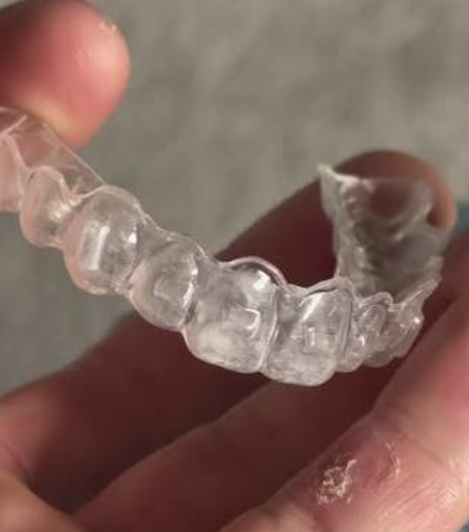
Introduction Retainers are essential for maintaining orthodontic results, but their plastic surfaces can harbor harmful bacteria—including Streptococcus species—that may contribute to oral health issues and potential reinfection . A common…
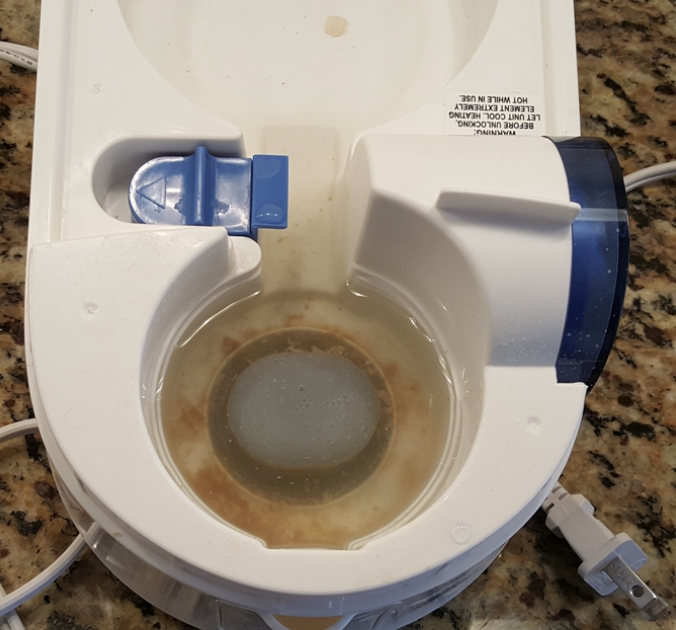
Yes, vinegar is an effective household solution for killing pink mold in humidifiers, but it requires proper application and regular maintenance to prevent recurrence. The “pink mold” commonly found in…
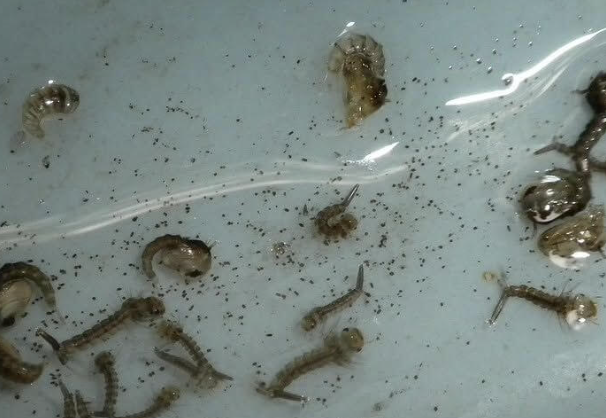
Yes, vinegar can kill mosquito larvae in standing water, but its effectiveness depends on concentration, mosquito species, and water conditions. While it is not the most powerful option available, vinegar…

Yes, vinegar can kill mosquito larvae under specific conditions. However, its effectiveness depends heavily on the concentration, mosquito species, and water volume. Vinegar (acetic acid) lowers water pH and disrupts…
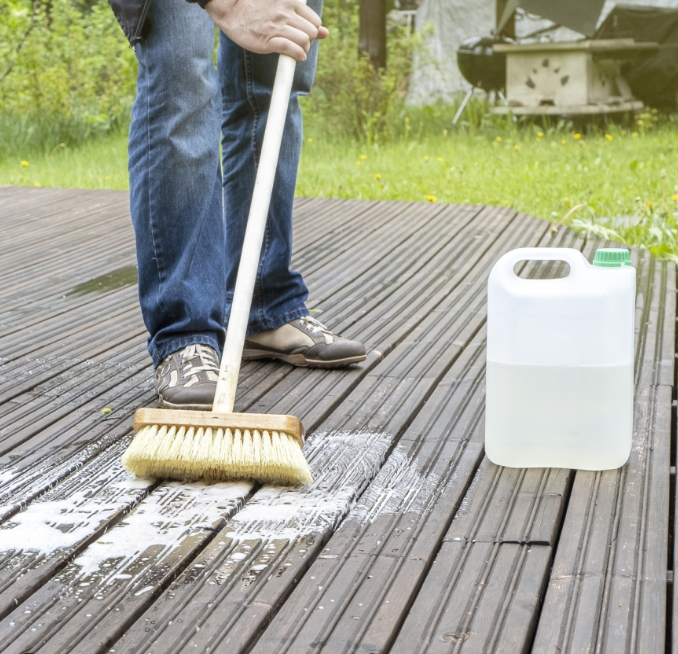
Quick Answer: Yes, vinegar can kill mold on decks. White vinegar contains acetic acid, which has antifungal properties that disrupt mold growth and can eliminate a significant percentage of common…
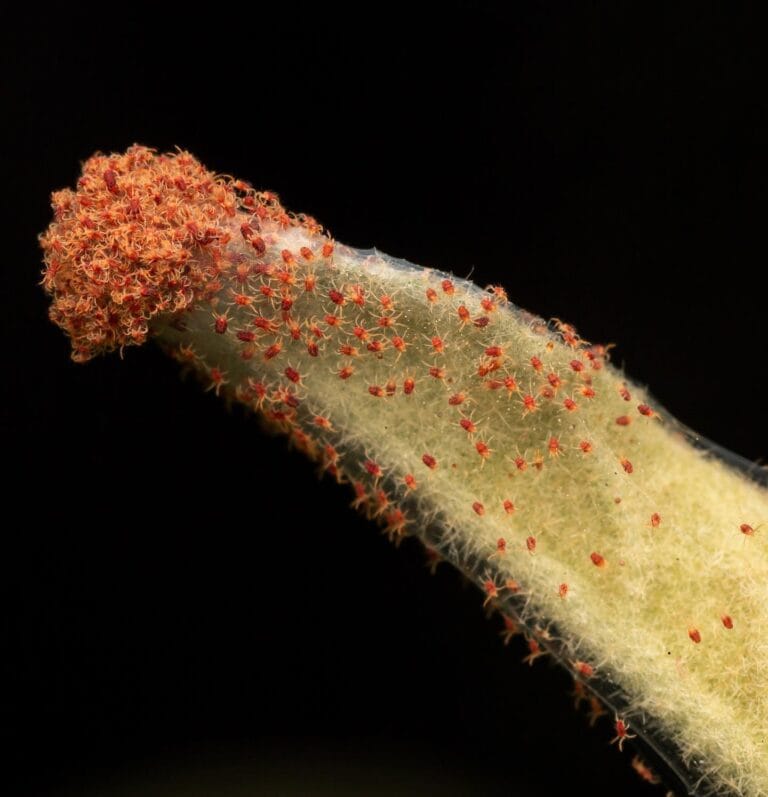
Introduction Dust mites are microscopic organisms that thrive in warm, humid environments and feed on shed human skin cells. Their bodies and waste products are among the most common triggers…
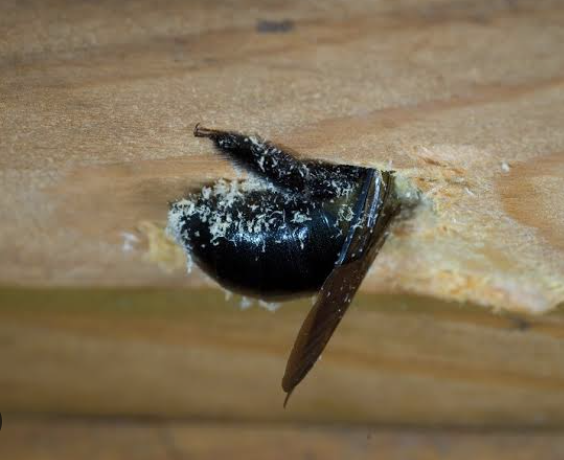
Quick Answer: Vinegar is not a reliable standalone solution for eliminating an active carpenter bee infestation. While its strong odor may temporarily repel bees and a vinegar-soaked steel wool plug…
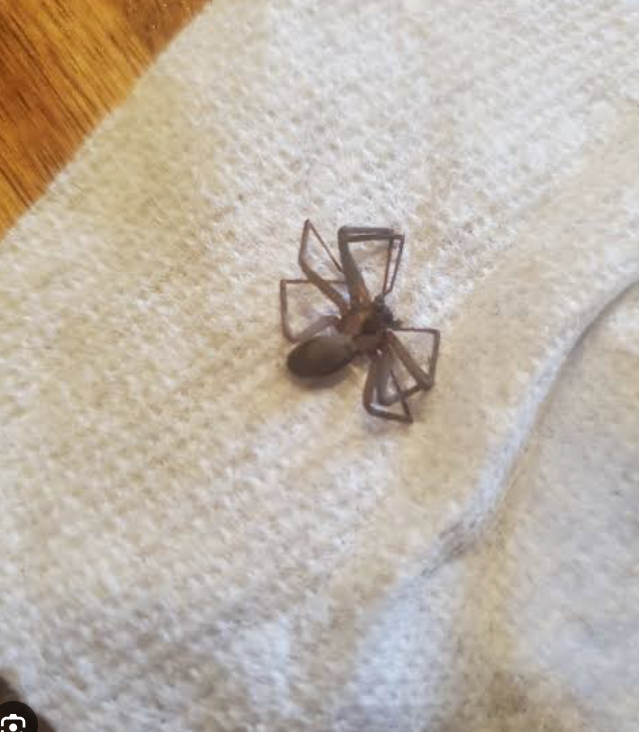
Vinegar can kill brown recluse spiders on direct contact, but it is not a reliable solution for eliminating an infestation. The acetic acid in vinegar acts as a contact killer…
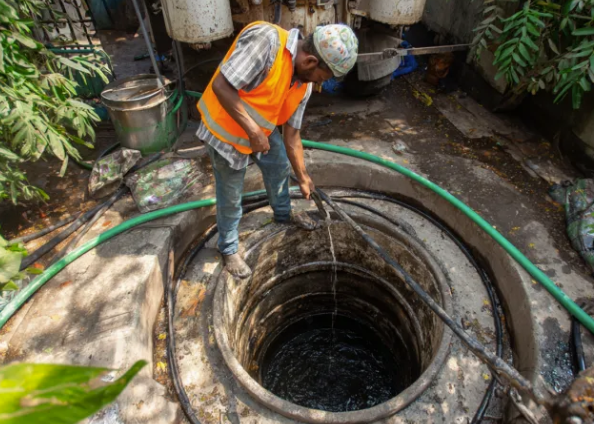
The short answer: Household white vinegar used in normal cleaning amounts is generally safe for septic systems. The long answer involves understanding concentration, volume, and the biological balance inside your…
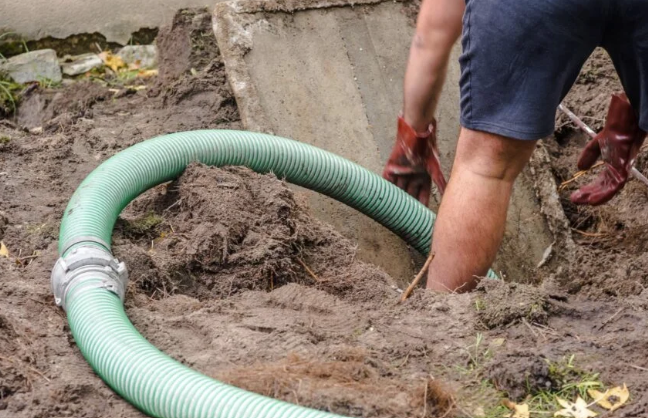
Quick Answer: Routine household use of standard white vinegar (5% acetic acid) is generally safe for septic systems. The small amounts used for cleaning are rapidly diluted by hundreds of…