Can You Wash Burlap in the Washing Machine? A Complete Guide
The short answer is: it depends entirely on the burlap. Natural jute burlap is generally not recommended for machine washing due to shrinkage, shedding, and structural distortion, but certain sturdy, colorfast, or synthetic-blend burlap items can survive a delicate cycle with strict precautions. For most decorative and raw burlap fabric, hand washing or spot cleaning remains the safest professional recommendation.
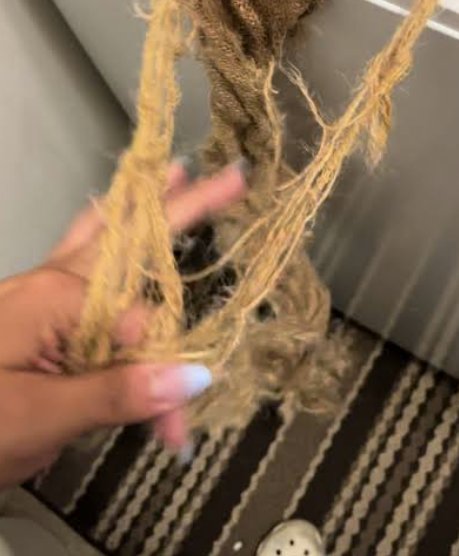
Burlap’s coarse, loosely woven structure—typically made from natural jute fibers—behaves very differently from cotton or polyester in water. Heat and agitation can cause significant shrinkage, while the mechanical action of a washing machine may unravel edges and release excessive fibers that can clog plumbing or damage the machine itself . However, manufacturers of finished burlap products sometimes specify machine washing on gentle cycles, creating a confusing landscape for consumers . This article breaks down the variables, methods, and risks to help you make an informed decision.
Understanding Burlap Fiber and Its Laundry Behavior
Burlap is a plain-woven fabric usually made from jute, hemp, or similar natural plant fibers. These fibers are strong in tension but lack elasticity. When saturated with water, jute fibers swell, and the loose weave tightens. Upon drying, the fabric often shrinks irreversibly. Additionally, the natural oils present in raw jute give it flexibility; washing can strip these oils, leaving the burlap stiff and brittle .
A critical distinction must be made between raw burlap fabric by the yard (often sold for crafts and drapery) and finished, manufactured burlap goods (such as curtains from a retailer or coated table runners). Raw burlap almost universally carries “spot clean only” or “hand wash” warnings from fabric retailers . Finished goods may have serged edges, blended fibers, or pre-shrinking treatments that alter their washability.
Machine Washing vs. Hand Washing: A Comparative Analysis
The table below contrasts the two primary aqueous cleaning methods across key performance and risk factors. The data synthesizes recommendations from textile retailers, DIY practitioners, and manufacturer care labels.
| Factor | Machine Washing (Delicate Cycle) | Hand Washing (Recommended) |
|---|---|---|
| Water Temperature | Cold only (below 30°C / 85°F) | Cool or lukewarm |
| Agitation Level | High risk of fiber shedding and edge unraveling | Minimal; gentle compression only |
| Shrinkage Risk | Moderate to High (unpredictable) | Moderate (controllable with no wringing) |
| Detergent Type | Mild liquid detergent only | Mild liquid detergent or gentle soap |
| Fabric Softener | Can be added to reduce stiffness | Soak in diluted softener after rinsing |
| Drying Method | Never tumble dry; lay flat or line dry | Roll in towels to absorb moisture; lay flat |
| Plumbing/Machine Risk | High (loose fibers can accumulate) | None |
| Best Suited For | Sturdy, colorfast, finished burlap items with serged edges | Raw burlap, delicate weaves, vintage or decorative pieces |
| Edge Preparation | Must be serged or zigzag-stitched before washing | Edges should still be secured to prevent fraying |
Key Takeaway: Machine washing is a higher-risk proposition suitable only for specific, robust burlap items. Hand washing offers greater control and is the default safe method for raw material.
The Machine Washing Protocol (If You Choose to Proceed)
If your burlap is a finished item (such as certain curtain panels) and you accept the risk, adhere to the following protocol strictly to minimize damage.
1. Pre-Wash Inspection and Preparation
Examine the seams and edges. If the burlap is raw-cut, sew a zigzag stitch or use fray check along all edges before washing; otherwise, it will unravel into a tangled mess . Shake the item outdoors to remove loose dirt and fibers. Test any printed graphics by dampening a discreet area and blotting with a white cloth; if color transfers, do not machine wash .
2. Machine Settings
Use the gentle or delicate cycle with cold water only. Hot water accelerates shrinkage and fiber damage . Select a low spin speed or, if possible, disable the spin cycle entirely. High-speed spinning can stretch the heavy, wet fabric irreversibly .
3. Detergent and Additives
Use a small amount of mild liquid detergent. Powdered detergent may not dissolve fully in cold water and can leave residue in the coarse weave. Adding a liquid fabric softener can help mitigate the stiffness that develops after washing .
4. Drying
Never tumble dry burlap. Remove the burlap from the machine immediately after the cycle ends. Support the entire wet piece with a laundry basket or towel to prevent stretching under its own weight. Lay it flat on a clean surface or drape it over a padded clothesline. Reshape it to its original dimensions while damp .
The Safer Alternative: Hand Washing and No-Water Cleaning
For most burlap—especially new fabric with a strong “burlap smell” or vintage sacks—hand washing is the superior method. Fill a basin with cool water and a capful of mild detergent. Submerge the burlap and gently press it down; do not scrub or agitate. Soak for no more than five minutes . Rinse thoroughly with cool water. To soften, soak the rinsed burlap in water mixed with a quarter-cup of fabric softener for an hour . Never wring or twist. Roll the burlap in a dry towel to press out moisture, then lay flat to dry.
For items that cannot tolerate water at all—such as structured lampshades, upholstered furniture, or glued craft projects—a no-water refresh is the professional choice. Vacuum the surface with a brush attachment to remove dust. Lightly mist with a solution of water and a few drops of lemon juice, then steam iron on a high setting. The steam relaxes wrinkles and neutralizes odors without saturating the fibers .
Frequently Asked Questions (FAQ)
1. Will machine washing burlap ruin my washing machine?
It can, if the burlap sheds excessively. Natural jute releases short fibers during agitation. These fibers can accumulate in the machine’s drain filter, pump, or plumbing lines, potentially causing clogs . If you must machine wash, use a mesh laundry bag to contain some of the shed, and clean your machine’s filter afterward.
2. How much does burlap shrink in the wash?
Shrinkage is unpredictable and depends on the weave density and fiber origin, but it can be significant. Sources note that burlap “shrinks significantly during laundering,” and residual shrinkage must be factored in when sewing curtains or fitted items . Always pre-wash and shrink raw burlap before cutting and sewing if the final dimensions are critical.
3. Can I put burlap in the dryer to soften it?
No. High heat from a dryer will cause severe shrinkage and may scorch the natural fibers. Tumble drying also promotes excessive shedding and can permanently distort the weave . Always air dry burlap flat.
4. Why does my burlap smell so bad, and can washing remove the odor?
The distinctive, earthy odor of burlap comes from the natural jute fibers and the storage conditions during shipping. It is not a defect . Washing—particularly hand washing with a mild detergent and a fabric softener soak—can significantly reduce the smell by removing surface residues and loose fibers . Air drying outdoors further dissipates the odor.
5. Is it safe to machine wash burlap curtains?
Only if the manufacturer’s care label explicitly states “machine wash gentle.” Some retail burlap curtains are pre-shrunk and finished with serged edges, making them suitable for a cold, delicate cycle . However, many DIY and craft-quality burlap curtain panels are not treated and will shrink, shed, or unravel. When in doubt, spot clean or hand wash.