Does Vinegar Kill Mold on Decks? A Detailed Analysis
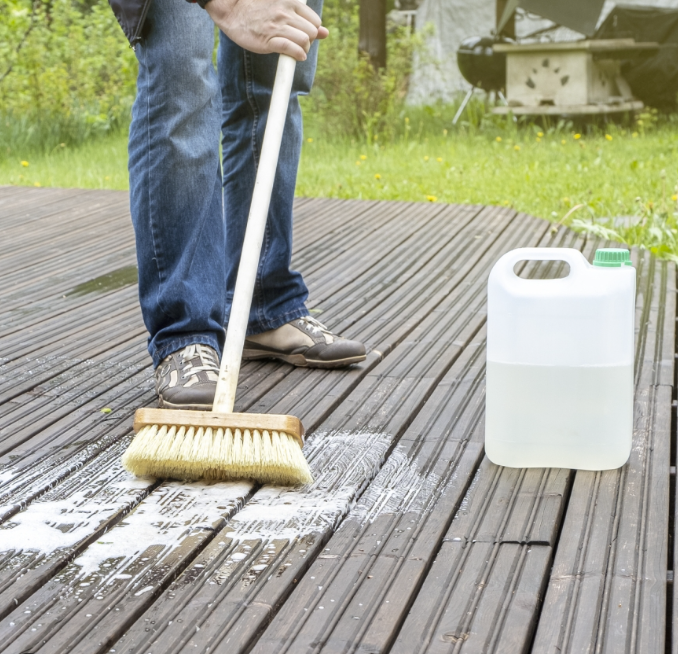
Quick Answer: Yes, vinegar can kill mold on decks. White vinegar contains acetic acid, which has antifungal properties that disrupt mold growth and can eliminate a significant percentage of common mold species. However, vinegar is best suited for small, surface-level mold infestations on wood decks. It is not recommended for large areas, deep-rooted mold, or certain wood types where it may strip protective finishes or natural oils.
How Vinegar Works Against Mold
Vinegar’s effectiveness as a mold killer comes from its primary active ingredient: acetic acid. Household white vinegar typically contains between 5% and 8% acetic acid, giving it a pH of around 2.5. This acidic environment is hostile to many microorganisms.
When applied to mold, the acetic acid penetrates the mold’s cell structure and disrupts its growth. Research cited by multiple cleaning authorities indicates that white vinegar can kill approximately 82% of mold species. Vinegar also has antibacterial properties, making it a dual-action cleaner for deck surfaces.
Important Distinction: Vinegar kills mold, but it may not remove the discoloration or stains left behind. Dead mold spores can still leave black or green staining on wood, which may require additional cleaning or sanding to fully address.
Vinegar vs. Commercial Deck Cleaners: A Comparison
When Vinegar Is a Good Choice for Deck Mold
Vinegar is a reasonable option in the following scenarios:
- Small, isolated patches of mold (less than a few square feet)
- Surface-level growth that has not penetrated deep into the wood grain
- Untreated or naturally finished wood where stripping a finish is not a concern
- Budget-conscious cleaning where the cost of commercial products is a barrier
- Preventative maintenance to inhibit mold spores from returning
For these situations, undiluted white vinegar can be sprayed directly onto the moldy area and left to sit for at least one hour before scrubbing and rinsing.
When Vinegar Is NOT Recommended
Vinegar is not the right choice for all deck situations. Avoid vinegar in these cases:
How to Use Vinegar to Kill Mold on a Deck: Step-by-Step
If you determine vinegar is appropriate for your deck, follow this process:
Materials Needed
- Distilled white vinegar (5% acetic acid minimum)
- Spray bottle
- Stiff-bristle brush
- Protective gear (gloves, goggles, mask)
- Garden hose
Instructions
- Prepare the deck. Sweep away loose debris, leaves, and dirt from the deck surface.
- Test in a small area. Before treating the entire deck, apply vinegar to an inconspicuous spot to check for discoloration or finish damage.
- Apply undiluted vinegar. Pour white vinegar into a spray bottle and apply it directly to the moldy areas. Saturate the mold thoroughly.
- Let it sit for at least one hour. This dwell time is critical—vinegar is slow-acting compared to commercial cleaners. Do not let it dry completely; reapply if necessary.
- Scrub the affected areas. Use a stiff-bristle brush to work the vinegar into the mold and remove dead spores. Scrub in the direction of the wood grain.
- Rinse with water. Wash away the dead mold and residual vinegar. Some sources recommend not rinsing to leave residual vinegar as a preventative, but this risks wood damage over time. If you choose to rinse, be thorough.
- Allow the deck to dry completely. Ensure the deck dries fully before use. Mold thrives on moisture, so proper drying is essential to prevent recurrence.
- Reapply as needed. Stubborn mold may require a second or third application before it is fully eliminated.
Critical Safety Warnings
- NEVER mix vinegar with bleach or hydrogen peroxide. Vinegar and bleach create toxic chlorine gas. Vinegar and hydrogen peroxide form peracetic acid, a corrosive chemical that can burn skin and irritate airways.
- Protect surrounding plants. Vinegar is non-selective and can kill grass, shrubs, and flowers on contact. Rinse nearby vegetation with water before and after application.
- Wear protective gear. Even natural solutions can irritate eyes and skin during scrubbing. Wear gloves, goggles, and a mask to avoid inhaling mold spores.
Alternative Options When Vinegar Falls Short
If vinegar is not sufficient for your deck’s mold problem, consider these alternatives:
Prevention: Keeping Mold Off Your Deck Long-Term
Killing existing mold is only half the battle. To prevent mold from returning:
- Reduce moisture. Fix drainage issues, remove standing water, and ensure the deck dries quickly after rain.
- Improve airflow and sunlight. Trim nearby vegetation and rearrange furniture to allow more sun exposure.
- Clean regularly. Sweep debris and clean the deck at least annually to remove organic matter that feeds mold.
- Seal or stain the deck. A protective finish creates a barrier that makes it harder for mold to penetrate the wood.
Final Verdict
Vinegar does kill mold on decks, but its effectiveness depends heavily on the scope of the infestation and the type of deck material. For small, surface-level mold on untreated wood, undiluted white vinegar is a safe, inexpensive, and reasonably effective option. For larger infestations, cedar decks, or finished surfaces, a commercial deck cleaner or professional remediation is the more reliable choice.
The key takeaway: vinegar is a tool in the mold-fighting arsenal, but it is not a universal solution. Assess your deck’s condition honestly and choose the method that matches the severity of the problem.