How to Dissolve Paper Towels in Pipes: A Definitive Guide to Clearing Blockages
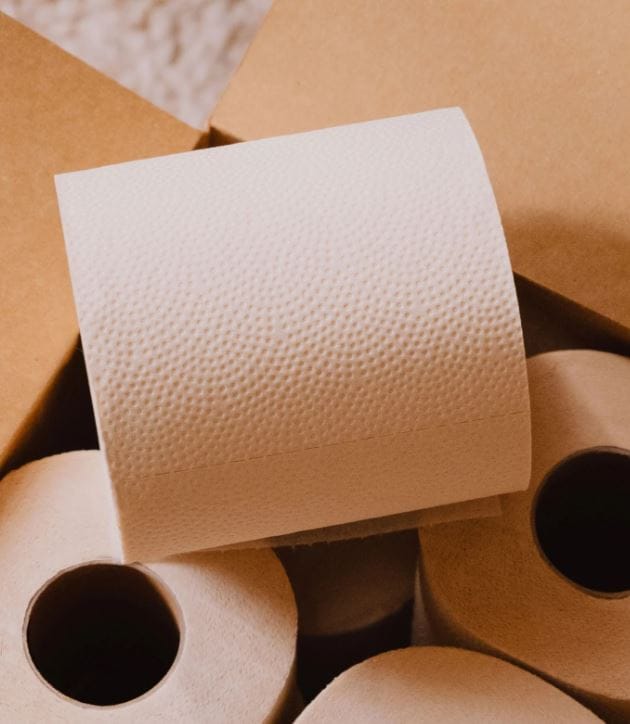
Paper towels are a marvel of modern engineering—strong when wet, absorbent, and seemingly indestructible. However, these very qualities make them a plumbing nightmare. Unlike toilet paper, which is designed to disintegrate upon contact with water, paper towels are engineered to maintain structural integrity. When flushed or washed down a drain, they do not break down; they conglomerate, snag on pipe imperfections, and create dense, stubborn blockages.
This guide provides a detailed, scientific, and practical approach to dissolving or dislodging paper towel clogs safely, without destroying your plumbing infrastructure.
The Science of the Clog: Why Paper Towels Don’t Dissolve
To solve the problem, you must first understand the material. The cellulose fibers in toilet paper are short and held together by weak hydrogen bonds designed to collapse in water. Paper towels, however, are constructed with long-fiber cellulose, often reinforced with wet-strength resins (like polyamide-epichlorohydrin or melamine-formaldehyde). These resins create covalent cross-links between fibers, resulting in a “fabric-like” material that remains strong even when saturated.
The Plumbing Reality:
When you attempt to dissolve a paper towel, you aren’t just dissolving paper; you are chemically breaking these cross-links and the hydrogen bonds that persist in the compacted mass. Physical force alone often fails because the fibers form a mat that blocks the pipe’s cross-section, redirecting plunger pressure rather than succumbing to it.
Method 1: Mechanical Disaggregation (The Safest Approach)
Before resorting to chemicals, the safest and often most effective method is to physically break the towel mass apart, allowing the small fragments to be flushed through the system.
| Tool | Mechanism of Action | Best For | Risk Factor |
|---|---|---|---|
| Toilet Auger (Closet Auger) | A flexible steel cable with a corkscrew tip rotates to grab and shred the mass. The protective sleeve prevents porcelain damage. | Toilet traps (S-traps) | Low. Safe for porcelain. |
| Drain Snake (Plumber’s Snake) | A longer, motorized or manual cable that bores through the clog. The rotation “drills” into the paper, pulling it out or pushing it into the larger main line. | Deep clogs in wall bends or main lines (4″ pipes). | Medium. Can scratch ceramic if misused in a toilet. |
| Hydro-Jetting | High-pressure water (1,500–4,000 PSI) focused through a specialized nozzle. It shears the paper towels from the pipe walls and pulverizes the fibers. | Complete blockages in sewer laterals. | High (if operated by a novice). Requires professional operation to avoid injury or pipe damage. |
Pro Tip: If using a snake, you are often better off retrieving the mass than pushing it further. A 3-foot long mass pushed into a 4-inch main might pass, but pushed into a 2-inch branch line, it will simply reform a blockage downstream.
Method 2: Chemical Dissolution – The Chemistry of Decomposition
If mechanical means are inaccessible, targeted chemical intervention is required. Warning: Never mix chemical agents. Sequential application (e.g., bleach after an acid) can generate toxic chlorine or mustard gas.
The goal is to hydrolyze the cellulose or oxidize the wet-strength polymers. Below is a comparative analysis of solvents and enzymes.
| Agent | Chemical Action | Efficacy on Paper Towels | Dwell Time Required | Pipe Compatibility | Environmental Impact |
|---|---|---|---|---|---|
| Enzymatic Cleaners (Cellulase/Lipase) | Biological catalysts break the β-1,4-glycosidic bonds in cellulose. | Low-Medium. Extremely slow on dense, resin-coated towels. Best used overnight to degrade the weaker outer fibers. | 8–24 Hours | Safe for all pipes (PVC, copper, cast iron). | Excellent. Biodegradable. |
| Caustic Drain Openers (Sodium Hydroxide) | Saponifies grease (not effective on paper). Generates intense heat (exothermic reaction) which can weakly degrade cellulose edges. | Low. Paper towels resist alkali degradation. The heat might warp PVC if the clog is solid and water is absent. | 15–30 Minutes | Risk to PVC (softening at >140°F). Safe for cast iron. | Poor. Highly toxic to aquatic life. |
| Copper Sulfate (Root Kill) | Strong biocide intended for roots. | None. Does not react with paper fibers. | N/A | Safe, but pointless for paper. | Highly toxic. Do not use for this purpose. |
| Hydrochloric/Sulfuric Acid (Strong Acidic Cleaners) | Carbonizes organic material by dehydrating cellulose (breaks down to elemental carbon and water vapor). | High (but risky). The acid violently strips water molecules from the cellulose structure, collapsing the fiber. | 5–15 Minutes | Extremely Hazardous to metal pipes. Will eat cast iron. May generate heat that warps PVC. | Extremely hazardous. Runoff is ecologically damaging. |
| Oxygen-Based Oxidizers (Peroxide/Perborate) | Releases nascent oxygen radicals that attack organic polymers. | Medium. Breaks down the resin bonding agents more effectively than the cellulose itself. | 2–4 Hours | Safe. Non-corrosive to copper and PVC. | Good. Decomposes to water and oxygen. |
The “Green” Oxidation Protocol (Recommended Chemistry)
If you must use a store-bought chemical, avoid caustic soda and look for a high-concentration sodium percarbonate cleaner (often labeled as “oxygen bleach” for pipes). It is a solid adduct of hydrogen peroxide and sodium carbonate. When activated with hot water, it effervesces. The micro-bubbles mechanically dislodge layers of paper while the peroxide attacks the wet-strength resin.
Application Process:
- Remove as much standing water as possible. The agent must not be diluted too quickly.
- Pour one cup of granular sodium percarbonate directly onto the clog area.
- Slowly pour one cup of hot (not boiling, ~140°F) water over the powder to activate the oxygen release.
- Seal the drain and let it sit for 2 hours. The sustained oxygenation softens the towels into a slurry.
- Flush with a full basin of hot water.
Step-by-Step Rescue Protocols
Scenario A: The Totally Plugged Toilet
If the bowl is full and won’t drain, the clog is in the integral trap.
- Dam & Drain: Don rubber gloves. Use a small cup to bail out 50% of the water into a bucket, reducing spill risk without exposing the towel mass to air (keeping it wetter helps breakdown slightly).
- The Auger Attack: Extend the closet auger. The curved metal tube enters the bowl trap. Crank the handle clockwise continuously.
- Sensation: You will feel a “squishy” resistance (paper) versus a hard stop (a foreign object or the bend of the trap).
- Action: Push-pull while rotating to shred the paper. Never force it if you hear grinding on porcelain.
- Enzymatic Finish: Once the water drains, the fibers are still lining the pipes. Flush 4 ounces of ultra-concentrated drain enzyme, let it sit overnight, and flush with a full 1.6-gallon flush in the morning.
Scenario B: The Slow-Draining Sink/Laundry Sink
This usually indicates a horizontal branch line filled with a “dam” of paper fibers (often mixed with soap scum).
- Trap Removal: Place a bucket under the P-trap. Unscrew the slip nuts. The paper towels rarely pass the trap arm; they usually pack the U-bend. Manually remove the solid mass using a screwdriver or bent wire.
- Volcanic Hot Water Rinse: If the trap is clear but the wall pipe is slow, boil a large pot of water. Add a grease-cutting dish soap like Dawn.
- The Surge: Pour the entire pot directly into the open wall stub-out using a funnel. The volume, heat, and surfactant mix help shear the wet but intact towels from the pipe walls.
Comparative Analysis: Home Remedies Debunked
The internet is rife with suggestions that rarely work on industrial-grade paper towels.
| Remedy | The Theory | The Reality | Verdict |
|---|---|---|---|
| Vinegar & Baking Soda | The fizzing action generates pressure to break up the clog. | The reaction is spent in seconds and produces sodium acetate and water. It cannot penetrate a dense, fibrous mat. | Ineffective. Good for maintenance deodorizing, not dissolving towels. |
| Dish Soap & Hot Water | Breaks down grease and lubricates the pipe. | Paper towels absorb water, becoming heavier and softer, but do not dissolve. The soap helps the mass slide if the pipe is already wide enough. | Partially Effective. Works only if the clog is a loose, small ball; useless on a compacted plug. |
| Bleach (Sodium Hypochlorite) | Oxidizes the fibers. | Household bleach (5% NaOCl) is a weak oxidizer for thick cellulose. It will whiten the towel but not break it down fast enough to clear the pipe before it re-hardens. | Minimally Effective. Risks toxic gas if mixed with other chemicals. |
| Aspirin/Alka-Seltzer | The bubbles. | Laughably insufficient for the mechanical strength of a paper towel. | Myth. Complete waste of money. |
Preventing the Catastrophe: The Long-Term Solution
Dissolving a paper towel clog is a mitigation strategy, not a management plan. Prevention requires behavioral and physical barriers.
- The “Wet Strength” Test: Take the brand of paper towel you use. Put a sheet in a jar of water. Shake it for 10 seconds. If the sheet remains intact, it will not break down in your toilet trap.
- Install Bidet Attachments: The single most effective way to reduce reliance on “flushable” wipes and heavy paper towels is a bidet. It reduces cleaning volume to a light pat-dry of toilet-safe paper.
- Sink Strainer Discipline: In kitchen and laundry sinks, never assume a paper towel ball will go down the grinder or drain. It will absorb fats and form a concrete-hard plug in the grease layer of the pipes.
- The “Flushable” Lie: Products labeled “flushable” are tested under laboratory conditions that do not replicate the bends and low-flow conditions of a domestic plumbing system. Treat all wipes and towels as trash.
Conclusion
Dissolving paper towels requires severing tough chemical bonds, a task ill-suited to boiling water alone and often hazardous with strong acids. Mechanical shredding via an auger remains the gold standard. For residual buildup, an aggressive oxygen-releasing enzymatic cleaner offers the best balance between pipe safety and chemical efficacy. Ultimately, restoring flow is a temporary victory—keeping a trash can within arm’s reach of the toilet is the permanent fix.