Are There Chemicals in Paper Towels? A Detailed Scientific Analysis
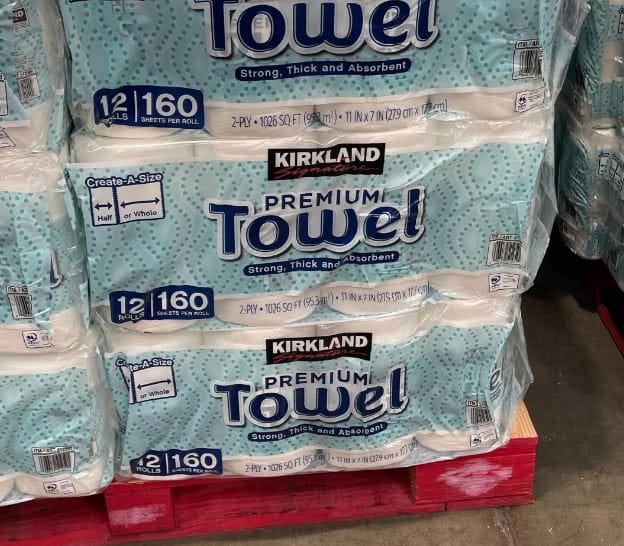
The short answer is yes, paper towels contain a range of chemicals. However, the more nuanced question, and the one that matters for consumer health, is why they are present and at what levels. This article provides a comprehensive, research-backed investigation into the chemical composition of paper towels, based on patent data, regulatory filings, and peer-reviewed studies.
The Functional Chemistry of Paper Towels
Paper towels are not simply dried wood pulp. To achieve the specific characteristics expected by consumers—high absorbency, wet strength, softness, and a pleasing appearance—manufacturers apply a variety of chemical additives during the pulping and converting processes. These chemicals serve distinct functional purposes.
Softening Agents
One of the primary chemical categories added to paper towels are softening agents. The tissue paper industry has long researched methods to improve the “tactile sensation” of paper products . Chemical debonders are used to reduce the stiffness of the web.
- Quaternary Ammonium Compounds: These are extensively utilized to soften the cellulose fibers. Patents by major manufacturers describe the use of specific chemical softeners like dioleyldimethyl ammonium chloride (DODMAC) and dierucyldimethyl ammonium chloride (DEDMAC) . These compounds, often derived from vegetable oils, function by interfering with the natural hydrogen bonds between wood fibers, resulting in a softer, more pliable sheet . Other variations include dialkyldimethylammonium salts such as di(hydrogenated) tallow dimethyl ammonium chloride .
- Polyhydroxy Compounds: Often used in tandem with ammonium compounds, substances like glycerol and polyethylene glycols (PEG) are added to maintain softness .
Wet Strength and Adhesion
Paper towels need to hold up when wet. To prevent them from disintegrating upon contact with water, manufacturers employ wet-strength agents.
- Creping Adhesives: The “quilted” texture characteristic of many paper towels is created through a process called creping. This requires applying a coating to the drying cylinder (Yankee dryer). Historically and currently, Polyvinyl Alcohol (PVOH) is a key component in these adhesive formulations. It allows the paper to stick to the cylinder before being scraped off by a blade to create the soft, bulky texture . PVOH is favored for being biodegradable and non-toxic .
Optical Brightening Agents and Bleaches
- Chlorine Compounds: To achieve a “bright white” aesthetic, wood pulp is bleached. Traditional bleaching processes involved chlorine, raising concerns about byproducts like 2,3,7,8-tetrachlorodibenzo-p-dioxin (TCDD). However, the industry has largely moved towards Elemental Chlorine Free (ECF) or Totally Chlorine Free (TCF) bleaching methods to mitigate these risks .
Antimicrobial and Food Contact Substances
For products marketed as “sanitizing” or for specific food contact, additional chemicals are involved.
- Antimicrobial Agents: The FDA has approved the use of substances like the sodium salt of 2-Pyridinethiol-1-oxide as an antimicrobial agent in adhesives for paper towels intended for food contact. Usage is highly regulated, with limits specified (e.g., not exceeding 10 nanograms/cm²) .
- Modified Starches: Industrial starch modified with chemicals like 2,3-epoxypropyltrimethylammonium chloride is permitted in the manufacture of paper towels for single-service food contact applications, provided it does not exceed 1% by weight .
Table of Chemical Agents Found in Paper Towels
Risk Assessment and Contaminants
While functional additives are deliberately introduced, regulatory bodies and scientific studies are more concerned with unintentional contaminants.
Bisphenol A (BPA)
A study published by the National Institutes of Health (NIH) investigated BPA in paper products. While thermal receipt papers contained the highest concentrations, recycled paper towels and napkins were found to contain BPA. The study suggests that contamination during the recycling process is a source of BPA in these paper products . However, the estimated daily intake through dermal absorption from handling paper is considered minor compared to dietary exposure .
Dioxins (TCDD)
A risk assessment by the Consumer Product Safety Commission (CPSC) regarding 2,3,7,8-TCDD in bleached wood pulp estimated that the individual lifetime excess cancer risk from paper towels is approximately 2×10⁻⁹. This is considered a negligible risk level .
The FDA and Regulatory Oversight
In the United States, the Food and Drug Administration (FDA) regulates paper towels that are intended for food contact. This is managed through:
- Threshold of Regulation (TOR) Exemptions: The FDA has exempted specific substances used in paper towel production from being regulated as food additives if the use is safe. For example, industrial starch modified with specific chemicals is exempt for use in paper towels at temperatures not exceeding 212°F .
- Food Contact Substance (FCN) Notifications: Manufacturers can submit a notification for a specific chemical. For instance, an antimicrobial agent was approved for use in paper towel adhesives specifically for contact with aqueous and fatty foods, provided it does not exceed a surface concentration of 10 ng/cm² .
Health Evaluation and Consumer Concerns
While the presence of chemicals is undeniable, the risk is determined by exposure and concentration. Most chemicals are bound within the paper matrix and are not easily released under normal use conditions .
- Skin Contact: The Danish EPA conducted a survey of chemical substances in paper products and concluded that while substances like menthol (perfume) and isopropylmyristate (softener) were present, the concentrations were relatively low and generally not expected to cause adverse effects .
- Recycled vs. Virgin: Products made from recycled fibers are more likely to contain contaminants from previous uses (like BPA or printing inks) . Virgin pulp products generally offer a “cleaner” chemical profile but still contain functional additives.
Conclusion
Yes, chemicals are present in paper towels—by design. They are essential for creating a product that is soft, absorbent, and strong. The industry utilizes a “chemical toolbox” ranging from quaternary ammonium compounds for softness to polyvinyl alcohol for creping.
The key takeaway for the consumer is that these substances are heavily regulated (particularly for food contact) and are generally present in concentrations deemed safe by agencies like the FDA and international environmental authorities. The riskiest contaminants, such as dioxins, have been significantly reduced by modern manufacturing practices. For consumers looking to minimize chemical exposure, choosing unbleached, virgin-fiber, or unscented paper towels is the most effective strategy.