Does Vinegar Harm Septic Systems? A Professional Guide to Safe Use
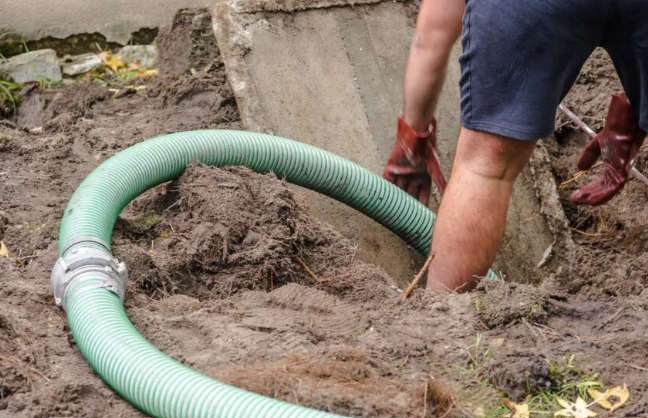
Quick Answer: Routine household use of standard white vinegar (5% acetic acid) is generally safe for septic systems. The small amounts used for cleaning are rapidly diluted by hundreds of gallons of wastewater in the tank, causing only negligible and temporary shifts in pH. However, large volumes of high-concentration vinegar (10% or higher) — such as dumping gallons of horticultural vinegar down the drain — can stress or temporarily inhibit the beneficial bacteria responsible for waste digestion .
How Septic Systems Process Waste
A septic tank is a biological treatment system, not a chemical disposal unit. It relies on anaerobic bacteria to break down organic solids, converting them into sludge, liquids, and gases . This microbial workforce is sensitive to sudden environmental changes, particularly shifts in pH.
Septic bacteria perform optimally when wastewater pH remains between 6.8 and 7.6 (near-neutral). Any significant or abrupt change in acidity can slow bacterial activity or, in extreme cases, cause a partial die-off .
The Chemical Profile of Vinegar
Vinegar is a diluted solution of acetic acid. The concentration determines its potential impact:
| Vinegar Type | Acetic Acid Concentration | Primary Use | Septic Risk Level |
|---|---|---|---|
| Standard White Vinegar | 5% | Cooking, light cleaning | Low (routine use safe) |
| Cleaning Vinegar | 6–10% | Heavy-duty cleaning | Moderate (avoid large volumes) |
| Horticultural Vinegar | 10–20%+ | Weed killer, industrial | High (do not introduce to system) |
When small amounts of household vinegar enter the drain, they are immediately diluted by the wastewater stream. A typical residential septic tank holds 1,000–1,500 gallons of liquid, providing an enormous buffer that neutralizes the acid’s effect before it can meaningfully alter the tank’s overall chemistry .
When Vinegar Is Safe: Routine Household Use
Multiple septic authorities and industry professionals confirm that moderate household vinegar use poses no meaningful threat:
- Angi’s List (home services network): “Since vinegar is a weak acid with a pH of two to three, it’s generally safe for septic systems. It won’t eat away at the good bacteria in your septic tank and can help break down the sludge” .
- Cooperative Extension Foundation: Regarding vinegar and salt used as a weed killer near a septic system: “There isn’t a direct concern to the well and septic system” .
- ecorn-cf (European expert advice platform): “The household use [of] white vinegar is safe for septic systems” .
Safe routine uses include:
- ½ cup white vinegar as a drain maintenance flush
- Small amounts in dishwasher rinse cycles
- Diluted all-purpose cleaning solutions (½ cup vinegar per 1–4 cups water)
- Window and mirror cleaning
In fact, vinegar is frequently recommended as a septic-safe alternative to harsh chemical drain cleaners. A common DIY drain treatment combines ½ cup baking soda, ½ cup white vinegar, and boiling water — a mixture explicitly endorsed by municipal waste management authorities as safer for septic systems than commercial chemical products .
When Vinegar Becomes Harmful: Risk Thresholds
The distinction between safe and harmful lies in volume and concentration, not the mere presence of vinegar.
| Scenario | Volume/Concentration | Potential Impact |
|---|---|---|
| Cleaning a shower with diluted vinegar | <1 cup, 5% | Negligible |
| Weekly drain maintenance | ½ cup, 5% | Safe / beneficial |
| Large cleaning project (mopping floors) | 1–2 gallons, 5% | Likely safe (diluted in tank) |
| Dumping leftover cleaning vinegar | 1+ gallon, 10%+ | Temporary bacterial stress |
| Flushing horticultural vinegar | Multiple gallons, 20% | Severe bacterial inhibition |
A sudden introduction of several gallons of high-concentration vinegar could temporarily lower the tank’s pH enough to inhibit bacterial digestion. This would manifest as slower solid breakdown and potentially increased sludge accumulation — though the colony typically recovers once pH normalizes .
Vinegar vs. Truly Damaging Substances
To contextualize vinegar’s risk, compare it to the most common septic system threats:
| Substance | Mechanism of Harm | Relative Risk |
|---|---|---|
| Vinegar (5%, moderate use) | Mild, temporary pH shift | Low |
| Chlorine bleach | Kills beneficial bacteria; can sterilize tank | High |
| Chemical drain cleaners | Toxic to bacteria; corrosive to pipes | High |
| Antibacterial soaps | Reduces bacterial population over time | Moderate–High |
| Grease, oils, fats | Solidifies; causes clogs and reduces capacity | High |
| “Flushable” wipes | Non-biodegradable; rapid accumulation | High |
| Pharmaceuticals | Disrupts bacterial processes; environmental contaminant | Moderate–High |
Chlorine bleach, harsh drain cleaners, and antibacterial products are designed to kill microorganisms — the exact opposite of what a septic system requires. Vinegar, by contrast, is a weak acid whose effect on a large buffered system is minor and transient .
Professional Recommendations
Do:
- Use standard 5% white vinegar for routine cleaning and drain maintenance
- Dilute vinegar solutions before pouring down drains
- Follow municipal recommendations for septic-safe cleaners: baking soda, vinegar, lemon juice, and phosphate-free soaps
- Monitor total volume — treat vinegar as you would any cleaning product
Don’t:
- Pour horticultural vinegar (10–20%) down drains
- Dump large quantities of vinegar at once (gallons)
- Use vinegar as a substitute for professional septic maintenance or pumping
- Assume “natural” means “unlimited” — even beneficial products have thresholds
The Bottom Line
Vinegar is not harmful to septic systems when used as intended for household cleaning. The scientific basis for this conclusion rests on dilution dynamics and pH buffering capacity: a cup of 5% acetic acid in a 1,000-gallon tank produces a pH shift so minor it falls within normal operational variation. The real threats to septic health are chlorine bleach, chemical drain cleaners, grease, and non-biodegradable solids — not the vinegar in your cleaning caddy.
Homeowners who use vinegar moderately can continue to do so with confidence, knowing they are choosing a product that is both effective for cleaning and compatible with the biological processes that keep their septic system functioning.