Does Sevin Dust Kill Slugs? The Science, Efficacy, and Better Alternatives
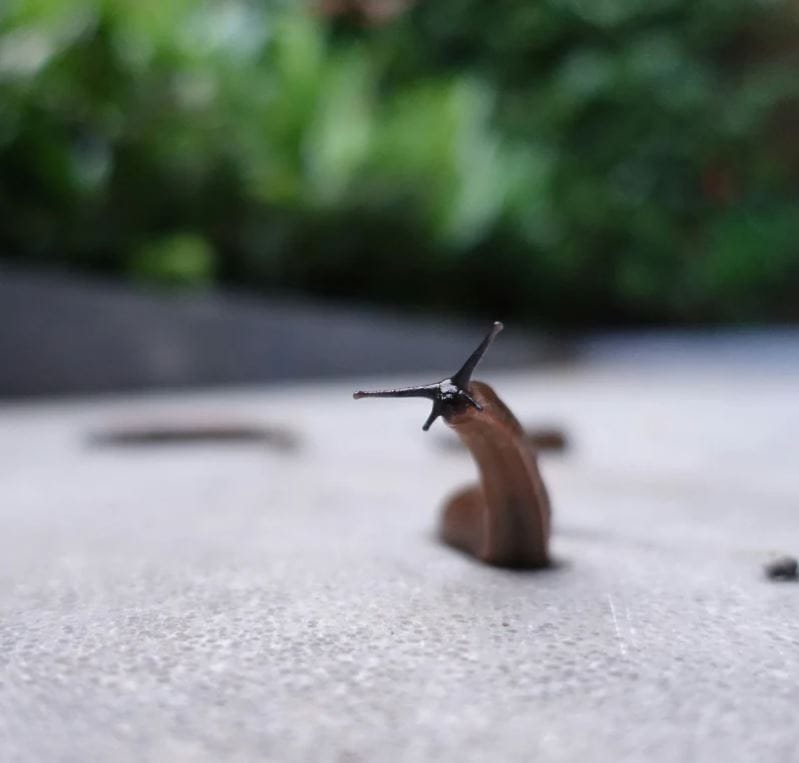
If you have walked through the garden center looking for a “cure-all” pesticide, you have likely encountered Sevin Dust. It is one of the most widely recognized insecticides in the United States, used by homeowners to combat everything from Japanese beetles to ants. However, if you are fighting the classic garden nemesis—the slug—you might be tempted to reach for that familiar yellow and white canister.
But does Sevin Dust actually kill slugs? The short answer is no. Sevin Dust is not designed to kill slugs and is largely ineffective against them.
To understand why this is the case, we must delve into the biology of slugs, the chemistry of Sevin Dust, and the agricultural science behind mollusk control. This article provides a detailed, professional analysis of why Sevin fails against slugs and offers scientifically backed alternatives for effective slug management.
1. The Chemical Profile of Sevin Dust
To understand why Sevin Dust does not work on slugs, you must first understand what it is. Sevin is the brand name for a chemical compound called Carbaryl.
Mode of Action
Carbaryl is a member of the carbamate family of insecticides. It functions as a cholinesterase inhibitor. In simple terms, it disrupts the nervous system of insects by preventing the breakdown of the neurotransmitter acetylcholine. When an insect comes into contact with or ingests Carbaryl, the neurotransmitter builds up at the nerve synapses, causing continuous nerve firing. This leads to paralysis, convulsions, and eventually death.
Target Organisms
Carbaryl is a broad-spectrum insecticide. It is highly effective against arthropods—creatures with exoskeletons and jointed legs. This includes:
- Beetles (Japanese beetles, Colorado potato beetles)
- Caterpillars (tomato hornworms, cabbage loopers)
- Aphids
- Ants
- Grasshoppers
The Biological Disconnect
Here lies the problem: Slugs are not insects. They are gastropods, belonging to the mollusk phylum (the same group as snails, clams, and octopuses). Their physiology is fundamentally different from that of insects. While slugs do possess a simple nervous system, the specific biochemical pathways targeted by Carbaryl are either absent or function differently in mollusks. Therefore, the insecticide has no lethal mechanism of action against them.
2. Why Sevin Dust Fails Against Slugs
Applying Sevin Dust to a slug is akin to applying it to an earthworm or a snake; the biology simply does not align with the poison. There are three main reasons for this failure:
A. Physiological Immunity
Slugs move using a muscular “foot” and are coated in a thick, protective layer of mucus. This mucus acts as a barrier. While some contact pesticides can penetrate insect exoskeletons, slug slime often dilutes or repels dry dust particles. The dust may stick to the slime, but the active ingredient (Carbaryl) is not absorbed into the slug’s bloodstream in lethal quantities.
B. Detoxification and Metabolism
Even if a slug ingests some of the dust while feeding on a treated leaf, mollusks possess highly efficient digestive enzymes and metabolic pathways that can often break down carbamates before they reach toxic thresholds.
C. Environmental Dilution
Sevin Dust is a dry powder. Slugs inhabit moist environments. When the dust gets wet—either from the slug’s own slime or from soil moisture—it loses its efficacy. It clumps up and falls off the plant or the animal, rendering it useless.
3. Comparative Efficacy: Sevin vs. Molluscicides
To illustrate the difference in approach, the following table compares the characteristics of Sevin Dust (an insecticide) with true slug killers (molluscicides).
| Feature | Sevin Dust (Carbaryl) | Metaldehyde (Typical Slug Bait) | Iron Phosphate (Slug Bait) |
|---|---|---|---|
| Target Class | Insects (Arthropods) | Mollusks (Slugs/Snails) | Mollusks (Slugs/Snails) |
| Mode of Action | Nervous system inhibitor | Destroys mucus cells; causes dehydration | Interferes with digestion; stops feeding |
| Effect on Slugs | Ineffective | Highly Effective (Lethal) | Highly Effective (Lethal) |
| Effect on Earthworms | Toxic | Toxic (varies by formulation) | Generally Safe |
| Toxicity to Pets/Birds | Moderate to High | High (Very attractive to dogs) | Low |
| Persistence in Soil | Long (weeks to months) | Short (days) | Breaks down into fertilizer |
As the table demonstrates, using Sevin for slugs is a category error. To control a mollusk, you need a molluscicide.
4. The Risks of Misusing Sevin Dust
Beyond being ineffective, using Sevin Dust for slug control carries significant environmental and health risks. Professional horticulturists and entomologists generally advise against the prophylactic use of broad-spectrum insecticides.
1. Toxicity to Pollinators
Sevin Dust is highly toxic to bees. If you dust your garden to kill “pests” (even if they are slugs you are trying to hit), the dust will land on flowers. Foraging bees will pick up the dust and carry it back to the hive, potentially causing colony collapse.
2. Destruction of Beneficial Insects
Sevin is a “kill-all” chemical. It will eliminate the natural predators of slugs and other pests. Ground beetles, rove beetles, and firefly larvae are natural predators of slugs. Spraying or dusting Sevin in your garden kills these allies, which often leads to a worse slug problem the following season because you removed the biological control.
3. Human Health Concerns
Carbaryl has been linked to various health issues in high doses and is classified as a likely human carcinogen by some regulatory bodies (though it remains approved for use by the EPA). Handling the dust without gloves or inhaling the particles is hazardous.
5. What Actually Kills Slugs? (Professional Solutions)
If you are serious about eradicating slugs, you must switch from an insecticide mindset to a molluscicide or physical control mindset. Here are the most effective, scientifically proven methods.
Method 1: Iron Phosphate Baits
This is the gold standard for modern slug control in both organic and conventional gardening. Brands like Sluggo or Garden Safe utilize this active ingredient.
- How it works: Slugs eat the bait. The iron phosphate interferes with their digestive tract. They stop feeding immediately and retreat underground to die.
- Why it is better: It is safe to use around pets, children, and wildlife. Once it breaks down, it adds iron and phosphorus to the soil (micronutrients for plants).
Method 2: Metaldehyde Baits
The traditional “blue pellet” approach. This is highly effective but comes with significant warnings.
- How it works: It works by contact and ingestion, destroying the mucus-producing cells of the slug. The slug produces excessive slime, dehydrates, and dies on the surface.
- Caution: Metaldehyde is extremely toxic to dogs and cats. Dogs are attracted to the bait. If you have pets, this is generally not recommended.
Method 3: Physical Barriers and Traps
For those who prefer a pesticide-free approach:
- Copper Tape/ Mesh: Copper reacts with slug slime, creating a mild electrical charge that repels them.
- Diatomaceous Earth (DE): This is a fine powder made of fossilized diatoms. It is an abrasive that cuts the slug’s skin, causing dehydration. Note: Must be food-grade and kept dry to be effective.
- Beer Traps: Slugs are attracted to the yeast in beer. A shallow dish buried at soil level will lure them in, and they will drown.
6. The Verdict: Stop Dusting, Start Baiting
If you search for “Will Sevin dust kill slugs,” you are likely looking for a quick fix. The reality, confirmed by entomologists and agricultural extensions across the country, is that Sevin Dust is the wrong tool for the job.
Using Sevin Dust for slugs is ineffective and counterproductive:
- It does not kill the target pest.
- It kills the predators that would eat the pest.
- It introduces unnecessary toxins into your food web.
Instead of reaching for the insecticide, purchase a high-quality Iron Phosphate bait. It is safer, scientifically proven to stop slugs, and protects the overall health of your garden ecosystem. By choosing the right chemistry for the right pest, you ensure a healthier harvest and a safer environment.