Can I Use a Steam Mop on LVP? The Definitive Guide to Protecting Your Luxury Vinyl Plank Floors
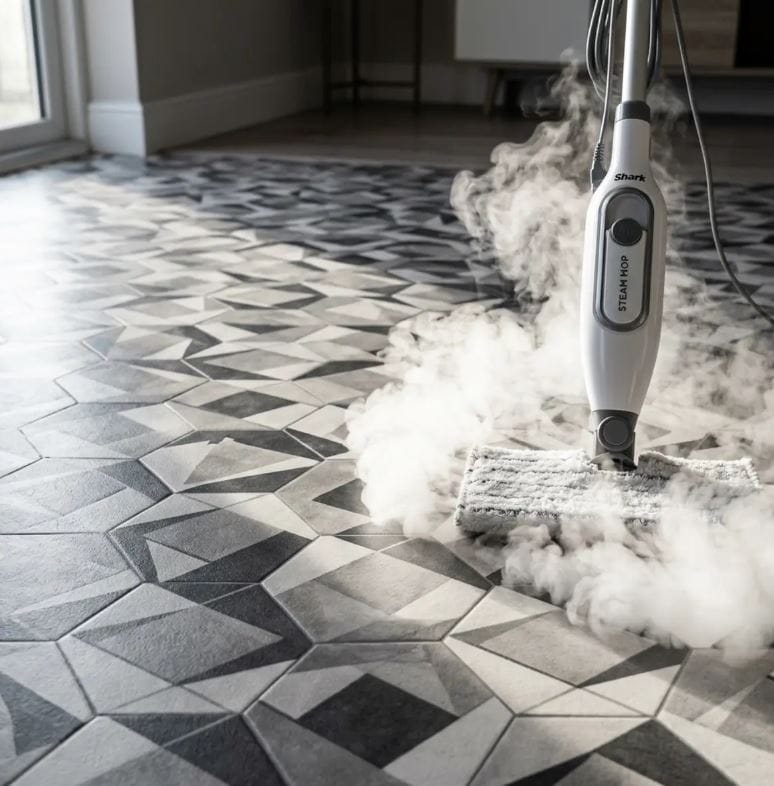
Luxury Vinyl Plank (LVP) flooring has become a go-to choice for homeowners, combining durability, water resistance, and realistic wood or stone aesthetics at a reasonable price point. Over 40% of U.S. homeowners now choose resilient flooring like LVP, making proper maintenance a topic of widespread concern .
The allure of a steam mop—chemical-free cleaning, germ-killing heat, and quick drying—makes it tempting. But can you use a steam mop on LVP? The answer, according to flooring experts and manufacturers, is a resounding no in the vast majority of cases.
This article provides a comprehensive, evidence-based analysis of why steam mops and LVP are incompatible, what risks you face, and the safe alternatives that will keep your floors beautiful without voiding your warranty.
Why Steam Mops Are Not Recommended for LVP
The Science of the Incompatibility
The core problem lies in the physics of steam. A steam mop generates water vapor at 200°F to 250°F (93°C to 121°C) to lift grime and sanitize surfaces . LVP is engineered from layered polyvinyl chloride (PVC) and adhesive materials that are sensitive to high heat.
Steam mops generate temperatures 100°F+ hotter than what vinyl is designed to handle.
Flooring professionals note that most vinyl flooring products have a maximum temperature tolerance of approximately 85°F, far below the temperature of steam . To put this in perspective, LVP can warp at temperatures around 145°F, still substantially lower than steam’s operating range .
The Five Key Risks of Steam Mopping LVP
Warranty Implications
Most LVP warranty requirements explicitly state that using steam cleaners or wet mops will void your warranty . Major manufacturers including Shaw, Armstrong, and Mohawk specifically warn against steam mops in their cleaning guidelines .
Pro Tip: Before purchasing any cleaning equipment, review your LVP warranty document. If it mentions “steam cleaning” or “high-temperature devices” in the exclusions, consider that a firm prohibition.
Manufacturer Recommendations: A Matter of Policy
While some steam mop marketers claim their products are “vinyl-safe,” flooring manufacturers consistently disagree. The consensus among industry professionals is clear:
What Major Sources Recommend
Can Any LVP Handle Steam?
The rare exception occurs if your flooring manufacturer explicitly labels the product as “steam-safe” in its documentation. Some newer high-end products claim higher temperature tolerances, but industry professionals treat these with skepticism, noting that even the highest-rated LVP caps at approximately 145°F—substantially below steam temperatures .
Important: “Waterproof” is not the same as “steam-proof.” LVP is designed to resist liquid water on the surface, not pressurized, high-temperature vapor forced into seams .
Approved Cleaning Methods for LVP
The Recommended Cleaning Routine
Daily/Weekly Maintenance
| Task | Method |
|---|---|
| Sweeping/Dusting | Soft-bristled broom or microfiber dust mop |
| Vacuuming | Hard floor setting, beater bar OFF |
| Damp Mopping | Well-wrung microfiber mop with pH-neutral cleaner or warm water |
Deep Cleaning
Safer Mop Alternatives: A Comparison
Common Myths vs. Facts
What to Do If You’ve Already Used a Steam Mop
If you’ve used a steam mop on your LVP floors, don’t panic—but take action:
- Stop immediately—discontinue steam use
- Allow floors to dry thoroughly—use fans if needed
- Inspect for damage—check for curling edges, peeling, or warping
- Document the situation—photos and notes may be useful if issues develop
- Consult a flooring professional for assessment if you notice damage
Minor surface issues may be buffable, but delamination, curling, or plank separation typically requires plank replacement by a professional .
Expert Verdict
Steam mops are the wrong tool for LVP floors. The combination of high heat and pressurized moisture poses unacceptable risks to the flooring’s structural integrity, appearance, and warranty coverage. While steam mops excel on sealed ceramic tile, stone, concrete, and glass, they belong nowhere near luxury vinyl plank flooring .
The best approach: Sweep or vacuum regularly, clean spills immediately, and damp-mop weekly with a well-wrung microfiber mop and a pH-neutral or manufacturer-recommended cleaner. This simple routine will keep your LVP floors beautiful for their expected 20-year lifespan .
Frequently Asked Questions
Can I use a steam mop on luxury vinyl plank if I use the lowest setting?
No. Even on the lowest setting, steam temperatures far exceed what LVP can safely tolerate .
Will using a steam mop void my LVP warranty?
In most cases, yes. Manufacturers such as Shaw, Armstrong, and Mohawk explicitly exclude steam cleaning from warranty coverage .
Is there any LVP that is steam-safe?
Only if explicitly stated in the manufacturer’s documentation, which is exceptionally rare. Even then, industry professionals advise caution .
What happens if I steam mop LVP?
Repeated steam exposure causes warping, peeling, seam damage, finish degradation, and potentially invalidates your warranty .
What is the best mop for luxury vinyl plank?
A well-wrung microfiber flat mop or spin mop with a pH-neutral or manufacturer-approved cleaner is the recommended method .
Can I use a robot mop on LVP?
Yes, if used on the damp-mop setting with minimal water release. Avoid models that steam or use excessive water .
Can I use vinegar to clean LVP?
A solution of warm water and white vinegar (1:1 ratio) is generally safe for most vinyl floors, but avoid harsh chemical mixtures or ammonia .
How often should I mop LVP floors?
Once a week or as needed. Over-mopping introduces too much moisture. Stick to dry sweeping or vacuuming for daily maintenance .