Plants That Repel Aphids and Spider Mites: A Comprehensive Guide to Natural Pest Control
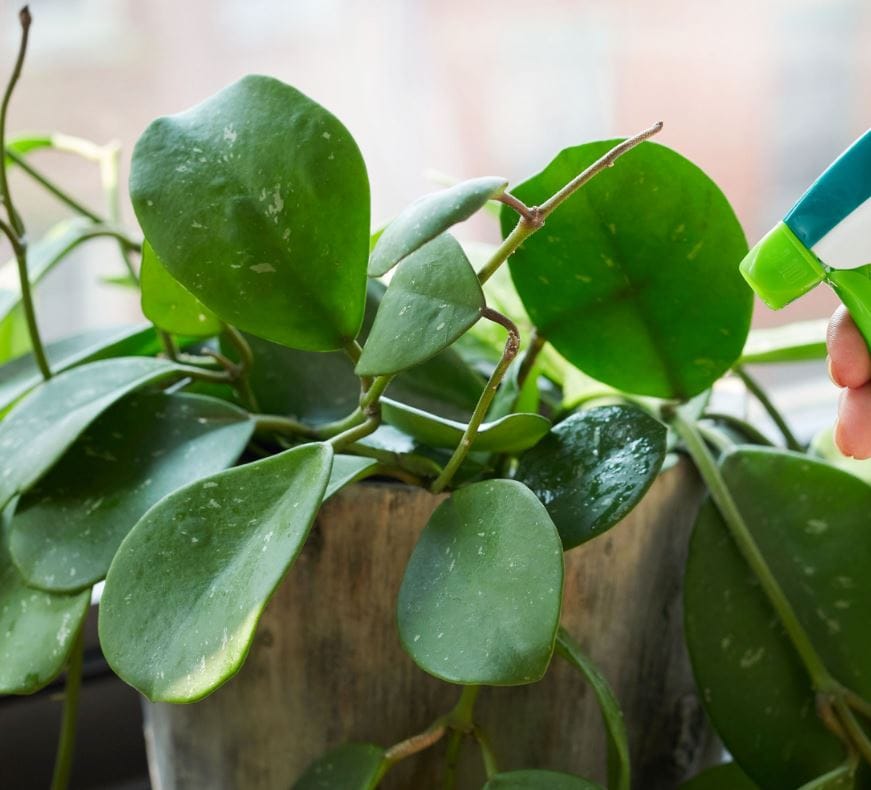
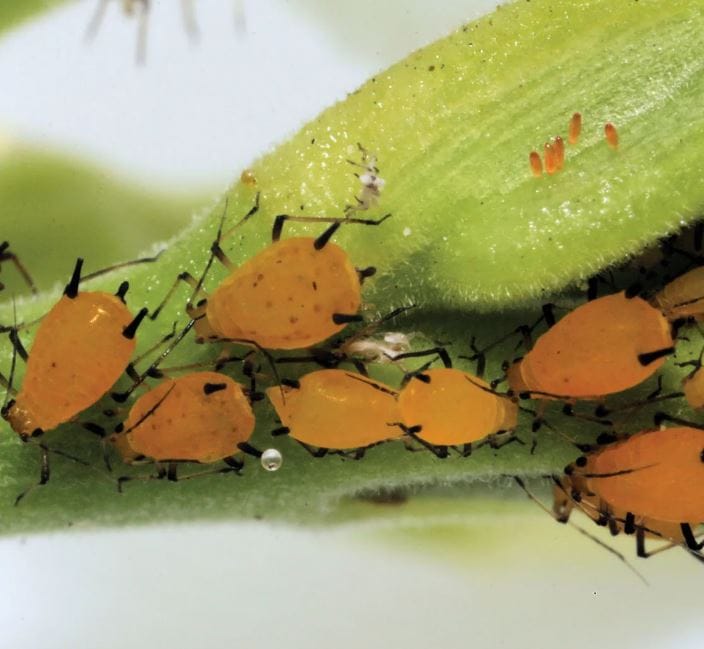
The battle against aphids and spider mites is a common challenge for gardeners and commercial growers alike. These tiny but destructive pests can quickly overrun a garden, causing stunted growth, yellowing leaves, and significant yield loss. While chemical pesticides are a conventional solution, an increasingly popular and sustainable approach lies in strategic companion planting.
This guide explores the most effective plants known to repel, distract, or attract predators of aphids and spider mites, providing a professional framework for implementing natural pest control in your garden or greenhouse.
Understanding the Mechanism of Plant-Based Pest Repellence
Plants have evolved sophisticated chemical defense systems. The volatile organic compounds (VOCs) emitted by certain aromatic plants can create what agricultural engineers term an “aromatic barrier system.” Rather than relying on direct toxicity, this approach targets the pest’s orientation mechanisms. Insect pests and mites rely heavily on VOCs to locate host plants; when these signals are disrupted, the production area becomes unattractive and functionally uninhabitable to the pests .
There are three primary ways plants help manage aphid and spider mite populations:
- Repellency: Strongly scented plants mask the chemical signals of host plants, confusing pests and discouraging colonization .
- Trap Cropping: Certain plants are more attractive to pests than the target crop, drawing them away to a sacrificial plant .
- Biological Control: Some plants attract beneficial predatory insects like ladybugs, lacewings, and hoverflies, which naturally feed on aphids and mites .
Top Plants for Repelling Aphids and Spider Mites
Herbs as Pest Deterrents
Basil (Ocimum basilicum)
Basil’s strong aroma makes it a formidable pest deterrent. Research has identified that bush basil (Ocimum basilicum var. minimum), also known as spicy globe basil, is particularly effective against spider mites. Studies show it not only attracts beneficial lacewings but also activates the pest defense systems of neighboring plants . For maximum effectiveness, plants should be grown within 3 feet of bush basil . According to the University of Georgia Extension, basil can help keep mosquitoes, flies, aphids, mites, and tomato hornworms away from the garden .
Dill (Anethum graveolens)
Dill is a versatile companion plant that repels aphids and spider mites from neighboring plants. It acts as an attractant to aphids, deterring them away from your primary crops. Additionally, it attracts beneficial visitors such as butterflies, ladybugs, bees, and caterpillars to the garden, which feast on pests .
Mint (Mentha spp.)
Mint species, particularly those dominant in menthol, have demonstrated significant potential in limiting spider mite establishment . However, mint is a notoriously invasive grower and is best planted in containers to prevent it from taking over the garden .
Sage and Rosemary
These woody herbs produce long-lasting volatile emissions that interfere with pest host recognition. Sage produces an odor-masking effect that disrupts pest orientation, while rosemary provides stable repellent activity, particularly effective in high air-circulation zones . Rosemary can repel a wide range of pests including Japanese beetles and carrot flies .
Lemon Balm (Melissa officinalis)
Rich in citral and citronellal, lemon balm demonstrates strong repellent effects against whiteflies and aphids .
Flowers and Ornamental Plants
Nasturtiums (Tropaeolum majus)
Nasturtiums are highly effective trap crops for aphids. They are more attractive to aphids than many vegetables, drawing pests away and preventing them from establishing on your target crop. In turn, the aphids on the nasturtiums attract ladybugs .
Chrysanthemums
Chrysanthemums contain pyrethrin, a natural insect repellent commonly used in insecticides. Some species also produce a natural chemical that kills soil nematodes. These hardy flowers deter ticks and attract mites, aphids, and thrips away from vulnerable plants .
Marigolds (Tagetes)
These vibrant flowers emit a strong scent that repels mosquitoes, aphids, and other insects. They can also help manage nematodes in the soil . Some sources note marigolds can repel spider mites and snails .
Plants That Attract Beneficial Predators
Sweet Alyssum (Lobularia maritima)
If aphids are a problem, growing sweet alyssum nearby is an effective solution. It produces clusters of white flowers that attract predatory insects such as ladybirds. A single ladybird can devour up to 50 aphids each day .
Western Yarrow (Achillea millefolium)
Yarrow is known for its ability to attract ladybugs, hoverflies, and parasitic wasps. Ladybug adults eat aphids, but their larvae are voracious predators that feed on spider mites, scale, mealybugs, thrips, and more .
Sunflowers (Helianthus annuus)
Sunflowers attract predatory bugs such as lacewings and parasitic wasps, which target essentially every garden pest. They also serve as a distraction crop, attracting aphids and whiteflies away from other plants .
Comparative Efficacy Table
Advanced Strategies: The Aromatic Barrier System
Recent agricultural research has demonstrated the effectiveness of implementing an “aromatic barrier system” in greenhouses. This involves strategic placement of aromatic plants beneath greenhouse gutters and along perimeter borders to create a dense volatile environment that pests find uninhabitable .
In comparative trials, zones where aromatic plants were installed showed no spider mite populations, while control areas developed dense populations. This approach also incorporates essential oils as environmental inputs, applied to structural and non-crop zones rather than onto the crop itself, preserving produce quality while maintaining repellent efficacy .
Botanical pesticides derived from plant extracts have shown significant efficacy against pests. Custard apple extract showed up to 80% reduction against aphids and 76% against mites in greenhouse studies . Neem oil provided stable, long-term regulatory effects in field applications, while oregano oil delivered rapid suppression under high thrips and spider mite pressure . Pomegranate peel aqueous extracts have also demonstrated 80-90% mortality against aphids and spider mites .
Implementation Guidelines for Maximum Efficacy
- Strategic Placement: For optimal results, place repellent plants within 3 feet of vulnerable crops. Research indicates that plants showed the most resistance to spider mites when grown within this distance .
- Diversity is Key: Implementing a diverse array of companion plants creates a more resilient ecosystem that supports multiple pest control mechanisms .
- Combine Strategies: Companion planting works best when combined with other organic gardening techniques, including thorough garden cleanup in fall, crop rotation, and organic soap sprays .
- Trap Crop Management: When using trap crops like nasturtiums, monitor them for pest accumulation and remove infested plants if necessary to prevent pest spread.
- Consider Physical Defenses: Research on raspberry plants has shown that leaf trichomes (tiny hairs) can provide a physical deterrent to spider mites, though this mechanism is less effective against aphids .
By strategically integrating these pest-repellent plants into your garden design, you can create a more balanced ecosystem that naturally suppresses aphid and spider mite populations without relying on synthetic chemicals.