Smart Pest Control in Philadelphia: What Homeowners and Property Managers Should Know
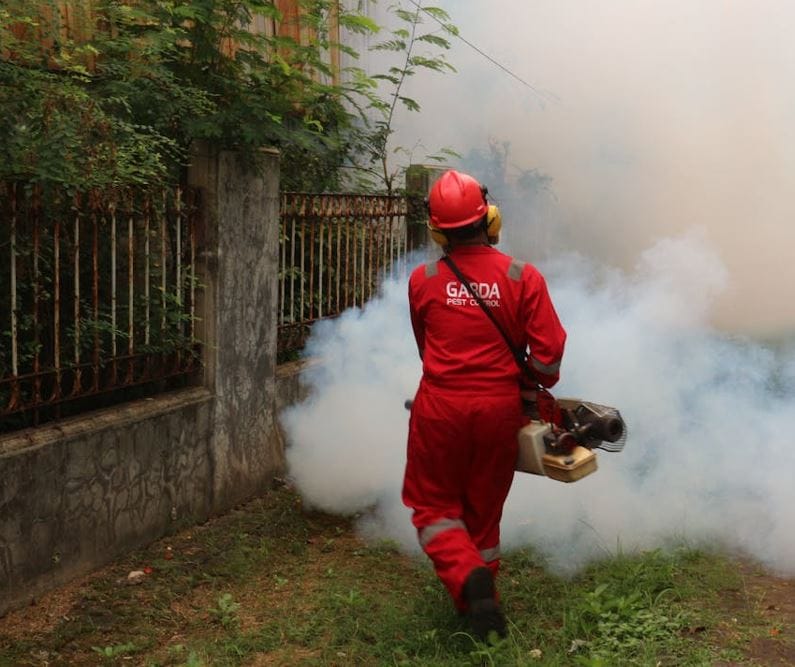
In a city like Philadelphia, pest issues are rarely isolated incidents. The dense urban layout, aging infrastructure, and constant movement between buildings create ideal conditions for pests to spread quickly and settle in unnoticed. What may start as a minor inconvenience – a few ants in the kitchen or scratching sounds in the walls – can escalate into a much larger problem if not handled properly.
This is why more residents are moving beyond temporary fixes and turning to professional pest control in Philadelphia. Effective pest management is not just about removing what you see – it’s about understanding how infestations start, how they spread, and how to prevent them from returning.
Why Pest Problems in Philadelphia Are Harder to Control
Philadelphia presents a unique challenge compared to suburban or rural areas. Row homes share walls, older buildings have structural vulnerabilities, and waste management in dense neighborhoods can attract rodents and insects.
Some of the most common pest pressures in the city include:
- Rodents (rats and mice) moving between connected properties
- Cockroaches thriving in humid basements and kitchens
- Termites damaging older wooden structures
- Bed bugs spreading through apartments and shared spaces
- Stinging insects nesting in walls, roofs, and outdoor areas
Because many of these pests can move between properties, controlling them requires more than isolated action.
The Difference Between Occasional Pests and Active Infestations
Not every pest sighting means you have an infestation – but knowing the difference is critical.
| Situation | What It Means | Recommended Action |
| Occasional insect sighting | Normal activity | Basic prevention |
| Repeated sightings in same area | Early infestation | Inspection needed |
| Droppings, damage, or nests | Active infestation | Immediate treatment |
| Sounds inside walls | Likely rodents | Professional intervention |
In many cases, by the time visible signs appear, the infestation has already developed behind walls or under floors.
Why DIY Methods Rarely Work in Urban Environments
DIY pest control can seem convenient, but in cities like Philadelphia, it often fails to deliver lasting results.
Here’s why:
- Pests relocate instead of disappearing – especially in connected buildings
- Entry points remain open, allowing new pests to enter
- Colonies are hidden, meaning surface treatments don’t reach them
- Improper use of chemicals can create health risks
This is where working with an experienced exterminator in Philadelphia becomes essential. Instead of reacting to visible pests, professionals identify the full scope of the problem and treat it accordingly.
What Professional Pest Control Does Differently
Modern pest control is based on strategy rather than repetition. Instead of applying the same treatment everywhere, professionals use a structured approach tailored to the property.
A typical service includes:
- Detailed inspection to identify pest type and entry points
- Customized treatment plan based on the specific issue
- Targeted application instead of blanket chemical use
- Prevention measures such as sealing gaps and removing attractants
- Follow-up monitoring to ensure long-term results
This approach is especially important in Philadelphia, where pest activity is ongoing rather than seasonal.
Integrated Pest Management: A Smarter System
One of the most effective approaches used today is Integrated Pest Management (IPM). Instead of relying heavily on chemicals, IPM focuses on long-term control through multiple methods.
Key components include:
- Eliminating food and water sources
- Sealing structural entry points
- Monitoring pest activity over time
- Using targeted treatments only when necessary
For homeowners, this means fewer recurring issues and less reliance on aggressive treatments.
Common Pest Issues in Philadelphia (Closer Look)
Rodents in Urban Areas
Rats and mice are among the most persistent problems. They can enter through small gaps and move freely between buildings.
Typical signs:
- Droppings along walls or in cabinets
- Scratching noises at night
- Chewed wires or packaging
- Grease marks along baseboards
Because rodents reproduce quickly, early intervention is critical.
Cockroaches and Indoor Infestations
Cockroaches thrive in warm, humid environments and are especially common in older buildings.
They are difficult to eliminate because:
- They hide in cracks and behind appliances
- They reproduce rapidly
- They can survive on minimal food sources
Professional treatment is usually required to fully remove them.
Termites and Structural Damage
Philadelphia’s older homes are particularly vulnerable to termite activity. These pests work silently and can cause significant damage before being detected.
Common indicators:
- Hollow-sounding wood
- Mud tubes along walls or foundations
- Discarded wings near windows
Prevention: The Most Underrated Strategy
The most effective pest control is prevention. Even small changes can significantly reduce the risk of infestation.
Indoors
- Seal cracks around windows, doors, and pipes
- Store food in airtight containers
- Fix leaks and reduce moisture
- Declutter storage areas
Outdoors
- Keep trash bins sealed
- Trim vegetation away from walls
- Remove standing water
- Check foundation for gaps
These steps work best when combined with professional pest control in Philadelphia services.
When You Should Call an Exterminator
Some situations require immediate professional attention.
You should contact an exterminator in Philadelphia if:
- Rodents are active inside walls or ceilings
- You notice repeated pest activity despite DIY efforts
- There is visible structural damage (possible termites)
- Bed bugs are suspected
- A nest is located inside your home
In these cases, delaying action usually leads to higher costs and more complex treatment.
Long-Term Pest Control vs One-Time Treatments
Many homeowners make the mistake of treating pest control as a one-time service. In reality, ongoing management is far more effective.
| Approach | Result |
| One-time treatment | Temporary relief |
| Seasonal service | Moderate control |
| Ongoing pest management | Long-term stability |
A structured plan ensures that pests are not only removed but prevented from returning.
Building a Reliable Pest Control Strategy
The most effective approach combines:
- Regular inspections
- Preventive maintenance
- Targeted treatments
- Ongoing monitoring
Companies like Patriot Pest Solutions focus on this long-term model, combining local expertise with structured pest control systems tailored to Philadelphia properties.