Rebuild Better: Restoring Your Home After Hail Strikes
A storm like that doesn’t dramatically announce itself. It begins with a shift in the light, a dulling of the afternoon, and then the sound—small, hard taps that don’t quite register at first. On the roof, against the siding, across the windows. It builds without asking for attention. By the time it passes, the yard looks the same from a distance, but not really. Leaves are torn at the edges. The car hood feels different in a hand. Something subtle has changed.
Inside, it’s quieter than expected. Almost too quiet.
The house holds onto the event in ways that aren’t obvious right away. You’ll notice:
- A faint drip hours later.
- A draft where there wasn’t one before.
- A line in the ceiling that might have always been there, or maybe not.
The damage doesn’t always show itself fully at once. It lingers. Waits. Even the air feels slightly altered, as if the walls have taken in something they’re still trying to settle.
Inspecting and Repairing the Roof After Hail Impact
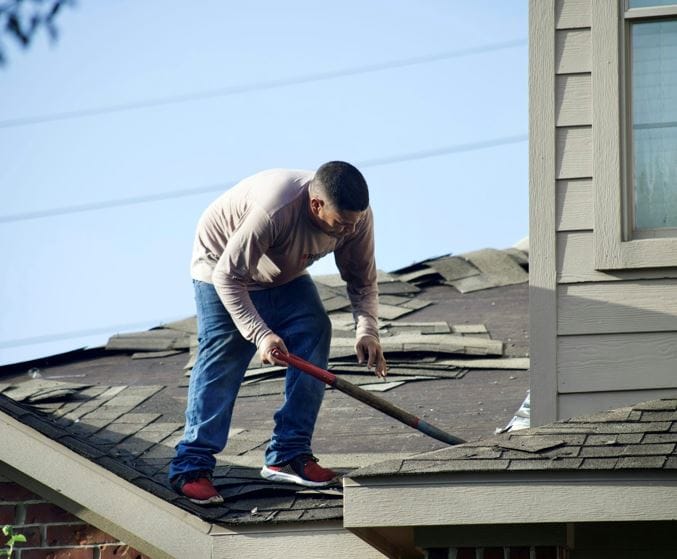
The roof usually keeps its distance from daily thought. It’s there, doing its job, unnoticed. Until something interrupts that arrangement. Hail has a way of making the roof visible again, not by showing everything at once, but by raising small questions.
- A shingle out of place.
- Grit in the gutters.
- The sound of water moving where it shouldn’t.
If your home has endured hail damage roofing companies that provide thorough inspections and targeted repair solutions can help restore its integrity and prevent further issues. Experienced professionals tend to notice what doesn’t stand out at first glance—the soft spots, the loosened edges, the places where damage is still forming rather than finished. Their work often feels less like a quick fix and more like a careful reading of how the roof has shifted, and what it needs to hold steady again. Repairs tend to bring that sense back slowly. Not all at once, but in increments.
Clearing Gutters and Managing Drainage After Impact
After hail, the gutters tend to say more than expected. They collect what the roof sheds—granules, small fragments, bits of leaves torn loose too early. It’s easy to ignore them at first. They sit just out of sight, doing what they’ve always done. But when they clog, the change shows up elsewhere.
Water begins to spill in the wrong places. Along edges. Near the foundation. A slow overflow that doesn’t seem urgent, but repeats with every rain. The ground near the house stays damp longer than usual. Puddles linger. Clearing them feels simple. A ladder, a glance inside, a handful of debris pulled away. But it shifts something. Water starts moving where it should again, quietly and without interruption. Downspouts carry it off instead of letting it hover near the house. It’s one of those adjustments that doesn’t stand out once it’s done. Which is probably the point.
Addressing Siding, Windows, and Exterior Surfaces
Elsewhere, the marks are easier to overlook. Siding with small dents that catch light differently in the late afternoon. Window screens that no longer sit perfectly flat. A fence post leaning just slightly off its line. None of it is urgent on its own. But together, they shift the way the house feels.
It’s less about appearance and more about how the space behaves. Doors that don’t close with the same ease. A faint chill near the window in the early morning. A soft rattle when the wind picks up. Small things. Repeated often enough to notice.
Sometimes the changes only show up at certain times of day. Light hitting the siding at an angle reveals unevenness that wasn’t visible before. A shadow that looks different, though it’s hard to explain why.
Checking Outdoor Fixtures and Everyday Structures
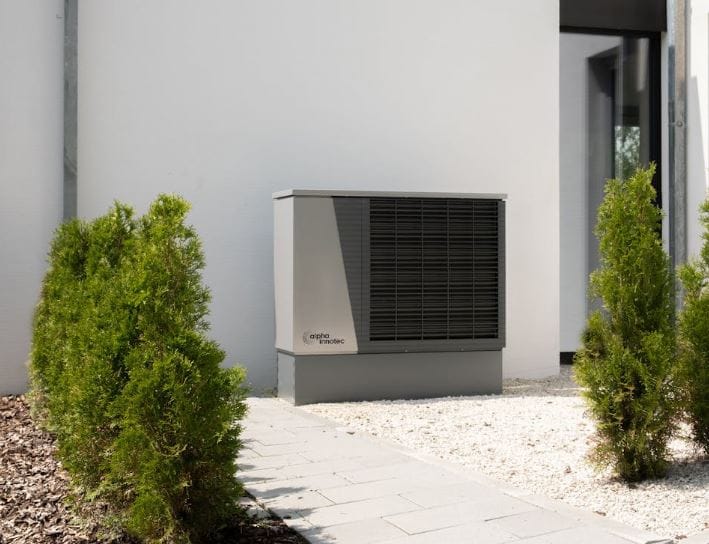
Some of the damage sits farther out, beyond the main structure. Mailboxes are dented slightly. Light fixtures are clouded or cracked. Patio furniture marked in small, uneven spots. Even the air conditioning unit, sitting quietly at the side of the house, can take a hit without showing it clearly.
These aren’t things that stop a home from functioning. Not immediately. But they affect how it’s used. A porch light that flickers. A chair that feels rough where it used to be smooth. A unit that sounds just a bit louder when it runs. Looking at these areas takes a different kind of attention. Less about urgency, more about noticing what’s changed in the rhythm of everyday use. Tightening a fixture. Replacing a cover. Adjusting what feels slightly off.
Rebuilding after hail isn’t just about returning things to how they were. That version of the house is already gone in small ways. What replaces it tends to carry a bit more awareness. Materials chosen with a different kind of care. Edges reinforced. Weak points reconsidered.
It doesn’t feel like an improvement in a grand sense. More like a subtle correction. A quiet adjustment to how the home meets the outside world. Over time, the house settles again. The noises fade. The routines return. Doors close the way they used to. The air feels even again. But there’s a lingering attentiveness that wasn’t there before.