Is Bathroom Sink Water the Same as Kitchen Sink Water? A Comprehensive Guide
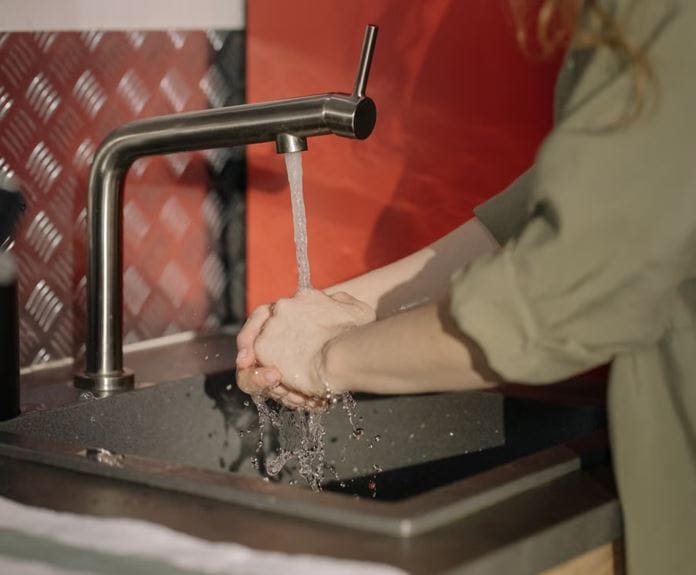
The short answer to a surprisingly complex question is: yes and no. While both taps draw from the same municipal water supply or private well, the water’s journey through your home’s plumbing can introduce significant differences in quality, safety, and taste.
This article provides a professional, in-depth analysis of the key distinctions between bathroom and kitchen sink water, helping you understand what comes out of your taps and whether it is safe for consumption.
The Origin: A Shared Source
In virtually all modern residential plumbing systems, both the kitchen sink and the bathroom sink are supplied by the same main water line. The water entering your home is treated and potable, meeting safety standards set by regulatory bodies .
Technically, the water starts as a uniform product. The changes that occur are not a result of a different primary source but are a consequence of internal plumbing configuration, pipe materials, usage patterns, and storage .
Key Factors That Create Differences
While the water starts the same, several variables alter its quality by the time it reaches the faucet.
1. Plumbing Systems and Water Storage
This is the most critical differentiator, especially in older properties or specific regions like the UK. There are generally two types of systems:
- Direct System: Mains water is fed directly to all taps—both kitchen and bathroom. In this case, the water is generally identical in quality .
- Indirect System (Common in older UK and some US homes): The kitchen tap is usually fed directly from the mains, while the bathroom tap is supplied by a cold water storage tank (often in the loft). Water in these tanks can be susceptible to contamination .
2. Pipe Material and Age
The composition of the pipes carrying the water can leach materials into it, affecting taste and safety.
- Lead Pipes: Homes built before the 1970s (and banned in the US in 1986) may still have lead pipes or lead solder . Lead can leach into the water, posing severe health risks. Kitchens are often prioritized for upgrades, meaning bathrooms may retain older, more hazardous pipes .
- Pipe Material Differences: If your kitchen uses copper pipes and your bathroom uses galvanized steel, you may experience a metallic taste in the bathroom water that is absent in the kitchen .
3. Stagnation and Biological Growth
Bathroom sinks are generally used less frequently than kitchen sinks. This leads to water sitting in the pipes for longer periods.
- Bacterial Growth: Stagnant water at room temperature is a breeding ground for bacteria. Studies have shown that samples from bathroom taps can carry a higher bacterial load than kitchen taps, primarily due to lower residual chlorine levels and stagnation .
- Humidity: Bathrooms are humid environments, which encourage bacterial growth on faucet aerators and surfaces .
4. Filtration and Treatment
Kitchen taps are far more likely to be connected to point-of-use water filters (e.g., under-sink reverse osmosis or carbon filters). These filters remove chlorine, sediment, and other contaminants, improving taste. Bathroom taps rarely receive this level of treatment .
5. Hot Water Concerns
A universal rule for both kitchen and bathroom sinks: never drink hot water from the tap. Hot water sits in the water heater, which can accumulate sediment and leach metals (like lead) more readily from pipes. It is also more prone to bacterial growth in the tank .
Comparative Analysis: Kitchen vs. Bathroom Sink Water
Is it Safe to Drink Bathroom Water?
The Professional Verdict: While a glass of cold bathroom tap water in a modern, direct-plumbed home is unlikely to be immediately harmful, drinking water from the bathroom sink is not recommended as standard practice .
Specific Risks:
- Lead Exposure: The greatest risk is in older homes. If lead pipes are present, drinking this water (especially if it has been sitting overnight) can contribute to lead poisoning .
- Bacterial Contamination: If your home uses a storage tank (common in the UK), the water is susceptible to debris, insects, and bacterial growth .
- Cross-Contamination: Bathrooms contain aerosolized particles from toilet flushing. While the water itself may be safe, the faucet aerator can harbor bacteria from the environment .
Best Practices for Homeowners
- Identify Your System: Check if you have a cold water storage tank. If you do, the bathroom water is considered non-potable for consumption .
- Flush the Lines: If you need to use bathroom water for drinking (in an emergency), run the cold tap for at least 1-2 minutes to flush out stagnant water from the pipes .
- Use Cold Water Only: Never cook with or drink hot water from any tap .
- Get Tested: If you live in a house built before the 1970s, hire a certified laboratory to test your water for lead. This is the only definitive way to confirm safety .
- Regular Cleaning: Clean faucet aerators regularly to remove sediment and biofilm buildup .
Frequently Asked Questions
Q: Why does bathroom water taste different?
A: This is usually due to a lack of filtration, different pipe materials (e.g., plastic vs. metal), or stagnation. If the water is stored in a tank, it may have a “flat” or “stale” taste due to lost chlorine .
Q: Is it safe to brush my teeth with bathroom water?
A: Yes, in most modern homes. Spitting out the toothpaste minimizes ingestion. However, if you are in a home known to have lead pipes, it is safer to use filtered or kitchen water .
Conclusion
In conclusion, the water entering your home is the same, but the journey through the plumbing system determines the quality at the point of use.
Kitchen sink water is generally safer and fresher for consumption due to its direct connection to the mains, higher usage rates, and frequent filtration. Bathroom sink water involves higher risks associated with storage tanks, aging pipes, and stagnation. For health and safety, it is advisable to reserve the kitchen tap for drinking and cooking, and to be especially cautious in older homes.