The Ultimate Guide to Bathroom Plumbing Maintenance
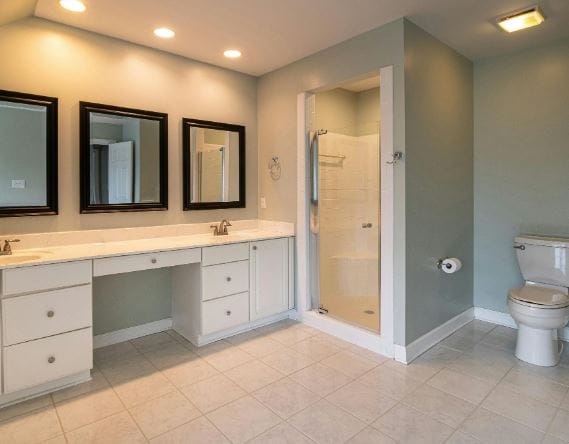
Your bathroom is one of the most frequently used spaces in your home, and its plumbing system plays a major role in everyday comfort and convenience. From morning showers to evening routines, sinks, toilets, taps, and drains work hard every day. Without proper care, small plumbing issues can develop into larger problems that disrupt your household and lead to expensive repairs.
The Importance Of Proper Bathroom Maintenance
Keeping a bathroom in top shape is a challenge for many homeowners. You might try to handle minor issues yourself, but complex tasks often require professional gasfitting and plumbing services to get the job done correctly. Investing time in prevention helps you avoid bigger problems later on.
Home maintenance involves checking the condition of your pipes and fixtures. Small drips often turn into large repair bills if ignored. Proactive habits protect your wallet and your property.
Regular care keeps your home safe. Catching small leaks early saves money on high water bills. Many people overlook their plumbing until something breaks.
Routine Inspections For Longevity
Checking your bathroom setup on a regular basis prevents minor issues from turning into major repairs. A simple check helps you see if pipes or connections are worn out. A recent report noted that a maintenance agreement makes it easy to stay on top of plumbing care by providing regular inspections and priority scheduling.
Visual checks are easy to perform. Look around your sink, toilet, and shower for any signs of water pooling. Moisture in areas that should be dry often signals a hidden leak.
Testing your faucets and handles regularly confirms they work well. If a handle feels loose or a spout drips, address the issue quickly. Catching wear early prevents water damage from spreading.
Preventing Costly Water Leaks
Leaks happen when you least expect them. Identifying the exact location of a leak helps you stop water from causing more trouble. A helpful guide suggests that if you can figure out where the leak is, temporary solutions like plumber’s tape, pipe clamps, and putty patches may mitigate short-term damage.
Water waste adds up quickly. A small drip might seem minor, but it wastes hundreds of liters of water over a short time. Checking under sinks and around toilets keeps your usage low.
Waterproofing your bathroom space guards against long-term structural harm. Damage hidden behind walls often goes unnoticed for months. Regular monitoring puts you in control of your home environment.
Caring For Fixtures And Taps
Your bathroom fixtures take a lot of daily abuse. Cleaning them keeps them looking new and working well for years. Spending just a few minutes each week wiping down taps, showers, mixers, and accessories helps prevent stains, dull finishes, and early wear.
Hard water spots often build up on chrome surfaces. Vinegar or mild cleaning agents work well to remove these deposits without scratching the metal. Gentle cleaning maintains the finish.
Replacing washers or aerators inside your taps is a simple task that saves water. Improved flow and better pressure make your morning routine better. Clean fixtures improve the look of the room.
Managing Your Drains And Pipes
Clogs form slowly in most bathroom sinks and showers. Hair and soap scum are the main culprits in blocked pipes. Installing a drain guard prevents most debris from entering the pipe.
Corrosion is another issue that impacts older plumbing. A common sign involves visual changes on the exterior of your metal pipes. If you notice any signs of corrosion on your pipes, such as blue or green deposits or rust, this indicates that you will leak into your hands soon.
- Check under the vanity for wet spots.
- Clean drain strainers every week.
- Watch for slow drainage in the shower.
- Look for rust on pipe joints.
Professional Maintenance Intervals
Scheduling professional help keeps your system running at its peak. Experts provide a deeper look at the components you cannot see easily. A good general guideline is once every two years for a newer system.
Upgrading old parts also improves your daily experience. Modern fixtures use less water and work better than older models. A water-efficient showerhead is another great upgrade, as it can cut water use nearly in half compared to older models.
Booking a service visit at least once every two years helps you keep things in order. Plumbers look for hidden signs of trouble that homeowners might miss. Staying on top of this schedule avoids surprise breakdowns.
Sealing And Regrouting Tiles
Grout lines protect your walls and floors from water damage. Over time, these lines crack or crumble, allowing moisture into the wall cavity. Regular regrouting or resealing maintenance should be performed every 1 to 2 years, depending on the bathroom’s frequency of use and local weather conditions.
Sealing your tiles prevents mold growth and water leaks. A clean bathroom feels better and lasts longer. Inspecting these areas saves you from costly structural repairs later.
- Check grout lines for cracks.
- Replace missing or loose sealant.
- Clean tiles with mild soap.
- Dry surfaces after showers to reduce moisture.
Maintaining your bathroom plumbing is a straightforward process if you stay consistent. Making time for these simple tasks keeps your home dry and functional.
You have the power to protect your home with these tips. Start your maintenance routine today and keep your system running well for years.