Preparing Your Home for Peak Summer Heat
Pinellas County summers do not arrive quietly. The air thickens by mid-morning, afternoon storms roll in without warning, and the humidity settles into every corner of the house long before the calendar marks the official start of the season. Homes here take a real beating during these months, with cooling systems running almost nonstop and indoor surfaces collecting moisture in ways that catch many homeowners off guard. Preparing early is the difference between a comfortable summer and a frustrating one, and the work involved is more practical than people often assume.
The goal is not to overhaul the entire house. It is to address the small weaknesses that quietly add up once the temperature climbs and stays there for weeks at a time. A thoughtful approach now saves stress, energy, and money later.
Why Professional Cooling Support Matters
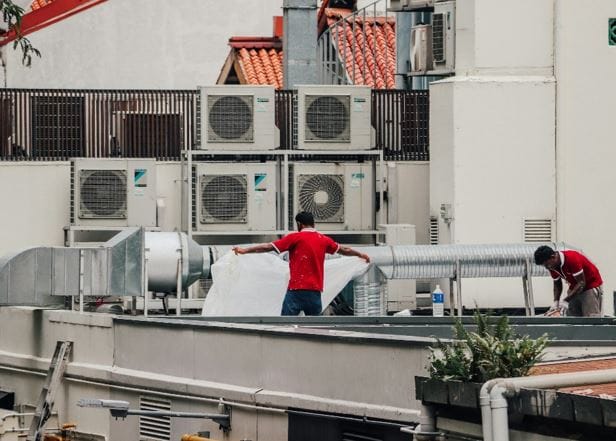
A home cooling system that has carried a household through several seasons rarely fails without warning. It begins to slow down in small, easy-to-miss ways, such as longer cycles, weaker airflow from certain vents, or a slight rise in indoor humidity even when the thermostat reads normal. These early signals often appear weeks before a full breakdown, which is why many homeowners schedule a professional check before the worst of the heat arrives. A trained technician can spot wear on key components, clean parts that lose efficiency over time, and confirm that the system is ready for the long, demanding stretch ahead. Get in touch with a local Pinellas County air conditioning company to perform a full pre-season inspection and tune-up before the heat peaks. Their team checks refrigerant levels, tests electrical connections, clears condensate lines, and confirms that every part of the system is performing the way it should under heavy load.
Sealing the House Against Heat Intrusion
Cool air leaves a home through the same gaps that let warm air in, and most houses have more of these gaps than the owners realize. Weather stripping around doors loosens over time, window seals shrink, and small cracks form around vents, outlets, and pipe entries. Running a hand along these areas on a warm afternoon usually reveals where the trouble lies. Replacing worn stripping and resealing problem spots takes only an afternoon, yet the difference in indoor comfort is immediate. Attic access points deserve close attention, since heat collects there first and pushes downward into living spaces whenever the barrier is weak.
Adjusting Window Coverings for Sun Control
Windows are one of the largest sources of unwanted heat in any home during the warmer months. Direct sunlight pouring through glass raises the temperature of nearby rooms quickly, forcing rooms to feel warmer than they should. Heavier curtains, layered blinds, or reflective window film can cut the warmth without making rooms feel dark or closed in. Rooms that face the afternoon sun benefit the most from these adjustments, and the change is noticeable within a day. Some households also rotate which rooms they use during the hottest hours, shifting daytime activity toward shaded spaces and reserving sun-facing rooms for evenings.
Refreshing the Outdoor Spaces Around the Home
The areas just outside the house influence indoor comfort far more than people expect. Overgrown shrubs near windows trap heat against the walls, while bare patches of yard reflect warmth back toward the structure. Trimming back vegetation, adding mulch around foundation plantings, and clearing debris from patios and walkways allows the property to breathe. Shaded outdoor seating gives the family somewhere to gather in the evenings, which reduces how often doors open and close during peak hours. Even small changes to the yard, such as moving potted plants to block direct sun on a wall, can lower the warmth pressing against the home throughout the day.
Managing Indoor Humidity Day to Day
Heat alone is rarely the worst part of a Florida summer. Humidity is what makes the air feel heavy, the floors feel sticky, and the house feel uncomfortable even when the thermostat reads a reasonable number. Simple habits make a noticeable difference. Running exhaust fans during showers and while cooking, keeping lids on pots, and avoiding indoor clotheslines all help. Houseplants that thrive in dry conditions can replace ones that release excess moisture into the air. A small dehumidifier in the most-used room of the house makes the air feel lighter almost immediately, especially during the wettest weeks of the season.
Preparing Appliances and Daily Routines
Appliances generate heat, and during summer, that heat lingers in the house long after the task is finished. Cooking on the stovetop in the late afternoon, running the dryer in the middle of the day, or using the oven for long sessions all raise indoor temperatures in ways that linger for hours. Shifting these tasks to early morning or late evening keeps the home cooler during the hottest part of the day. Outdoor grilling becomes an easy substitute for stovetop meals, and air-drying laundry on a covered porch reduces dryer use considerably. These small changes in routine keep the indoor air calmer and the household more comfortable.
Stocking Up for Storm Season
Summer in this part of Florida brings sudden storms, brief power outages, and the occasional longer disruption. Preparing for these events alongside the heat itself keeps the household ready for whatever the season delivers. Flashlights with fresh batteries, bottled water, shelf-stable food, and a basic first aid kit belong in a known spot that every family member can reach. A battery-powered fan offers real relief during a short outage, and frozen water bottles stored in advance help keep refrigerated items cold if the power stays off for a while. Knowing where the main water valve and electrical panel are located saves valuable time when conditions change quickly.
Summer in this region rewards the households that prepare with patience and attention. The work is not complicated, but it is steady, and the payoff is felt every single day once the heat arrives in full.