How to Clean a Neoprene Bag: A Professional Guide to Longevity & Hygiene
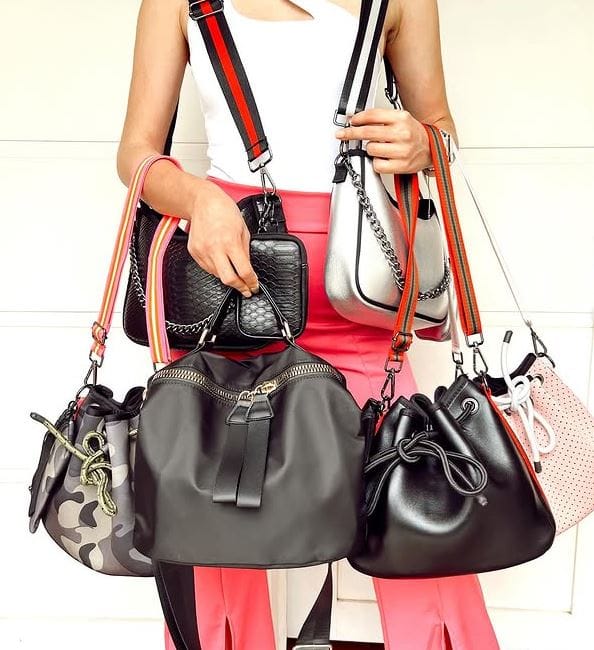
Neoprene bags—often associated with lunch totes, laptop sleeves, gym duffels, and coolers—are prized for their flexibility, insulation, and water resistance. However, the same synthetic rubber properties that make neoprene durable also make it prone to trapping odors, bacteria, and stains if cleaned incorrectly.
Improper cleaning (heat, harsh bleach, or aggressive agitation) can delaminate the material, cause permanent stretching, or degrade the insulating foam core. This guide provides a definitive, step-by-step protocol for cleaning neoprene bags, along with a comparison of cleaning methods to help you choose the right approach.
Why Neoprene Requires Special Care
Neoprene (polychloroprene) is a closed-cell foam laminated to a polyester or nylon fabric. Aggressive cleaning agents or high heat can:
- Weaken the adhesive bonds between layers.
- Cause the fabric to separate from the foam (delamination).
- Turn the material brittle or warp its shape.
- Trap moisture inside the foam, leading to mildew.
| Risk Factor | Consequence | Prevention |
|---|---|---|
| Hot water (>40°C / 104°F) | Loss of elasticity, shrinkage | Use lukewarm or cold water only |
| Chlorine bleach | Breakdown of rubber polymers, discoloration | Use oxygen bleach or mild soap |
| Machine drying | Delamination, melting of inner foam | Air dry flat, away from heat |
| Harsh scrubbing | Surface pilling, fabric tears | Use soft sponge or microfiber cloth |
Materials You Will Need
Before starting, gather the following neoprene-safe tools:
- Mild dish soap (free of bleach, citrus, or abrasive additives) or specialized wetsuit shampoo
- Cold or lukewarm water (max 30°C / 86°F)
- Soft sponge or microfiber cloth
- Large basin or sink
- Towel for drying
- White vinegar (optional, for odor removal)
- Baking soda (for spot treatment)
Step-by-Step Cleaning Process
Phase 1: Preparation & Spot Treatment
- Empty all compartments – Check for crumbs, dust, or leaked liquids. Turn the bag inside out if design allows.
- Shake or vacuum – Remove dry debris using a handheld vacuum with a brush attachment.
- Treat stains immediately – For oily or protein stains (food, sweat), make a paste of baking soda + cold water. Apply to stain and let sit for 10 minutes. Do not rub aggressively.
Phase 2: Hand Washing (Recommended Method)
Note: Most neoprene bags are not machine washable. Check the manufacturer’s label. When in doubt, hand wash.
| Step | Action | Duration |
|---|---|---|
| 1 | Fill basin with cold/lukewarm water | – |
| 2 | Add 1 tsp mild dish soap per liter of water | – |
| 3 | Submerge bag and gently agitate with hands | 2–3 minutes |
| 4 | Let soak to loosen embedded grime | 10 minutes max |
| 5 | Drain soapy water, refill with clean cold water | – |
| 6 | Rinse by pressing (not wringing) water through fabric | 2–3 rinses |
| 7 | Press out excess water between two towels | – |
Critical: Never twist, wring, or fold sharply. This breaks the internal foam cells.
Phase 3: Drying (Crucial for Preventing Mildew)
- Lay the bag flat on a clean, dry towel.
- Roll the towel with the bag inside to absorb moisture. Unroll and reposition on a dry towel.
- Air dry flat in a well-ventilated area away from direct sunlight or heaters. Sunlight degrades neoprene via UV radiation.
- Allow 24–48 hours for complete internal drying. Do not use until fully dry.
Odor Removal Protocol
Neoprene is hydrophobic but porous to volatile organic compounds (VOCs). For persistent smells:
| Solution | Application | Rinse Required? |
|---|---|---|
| 1:10 white vinegar to water | Sponge on interior, let sit 15 min | Yes, rinse thoroughly |
| Baking soda (dry) | Sprinkle inside, leave overnight | Vacuum out |
| Wetsuit cleaner (enzyme-based) | Follow manufacturer dilution | Usually no |
Warning: Fabric softeners and scented detergents leave residues that degrade neoprene. Avoid them entirely.
Machine Washing: When Is It Acceptable?
Few neoprene bags are machine-safe. Only consider this if the label explicitly states “machine wash cold, gentle cycle.”
| Machine Setting | Safe | Unsafe |
|---|---|---|
| Top-load agitator | ❌ Never | Stretches and tears |
| Front-load gentle cycle | ✅ Possibly | – |
| Water temperature | ❌ Warm/hot | ✅ Cold only (<30°C) |
| Spin speed | ❌ High speed (>600 rpm) | ✅ No spin or lowest setting |
| Detergent | ❌ Powdered or bleach | ✅ Liquid mild soap |
If you machine wash, place the bag inside a mesh laundry bag. Remove immediately after the cycle ends—do not let it sit wet.
Comparison of Cleaning Methods
| Method | Effectiveness | Risk to Neoprene | Time Required | Recommended For |
|---|---|---|---|---|
| Hand wash + air dry | High (removes 95%+ dirt) | Very low | 30 min active + 24 hr dry | Routine cleaning, stains |
| Spot cleaning | Moderate (surface only) | Negligible | 5–10 min | Small marks, quick refresh |
| Machine wash (gentle/cold) | Moderate | Moderate to high | 45 min active | Only when label allows |
| Dry cleaning | Not applicable | High (chemical solvents) | – | Never use |
| Steam cleaning | Low | High (heat damage) | – | Never use |
Preventive Maintenance Schedule
To reduce deep-cleaning frequency:
- After each use: Wipe interior and exterior with a dry microfiber cloth. Unzip all compartments and air out for 2 hours.
- Weekly: Shake out debris. Inspect for stains.
- Monthly: Spot clean high-contact areas (handles, bottom panel).
- Quarterly: Full hand wash as described above.
When to Retire a Neoprene Bag
Discontinue cleaning and replace if you observe:
- Delamination (fabric peeling away from foam)
- Hardened or crumbling foam edges
- Persistent mildew smell after 2 cleaning cycles
- Visible mold spots (black or green) on interior surfaces
Mold penetrates neoprene’s porous foam and cannot be fully eradicated. Health risk outweighs salvage attempts.
Final Professional Recommendation
Clean neoprene bags exclusively by hand using cold water, mild soap, and flat air drying. Avoid heat, bleach, and machine agitation. For odor control, use diluted white vinegar or enzyme-based wetsuit shampoo. Never store a damp neoprene bag—mildew is irreversible.
By following this protocol, a quality neoprene bag will maintain its structural integrity, insulation performance, and appearance for 3–5 years under regular use.