How to Clean Door Knobs with Vinegar: A Professional Guide to Hygiene and Maintenance

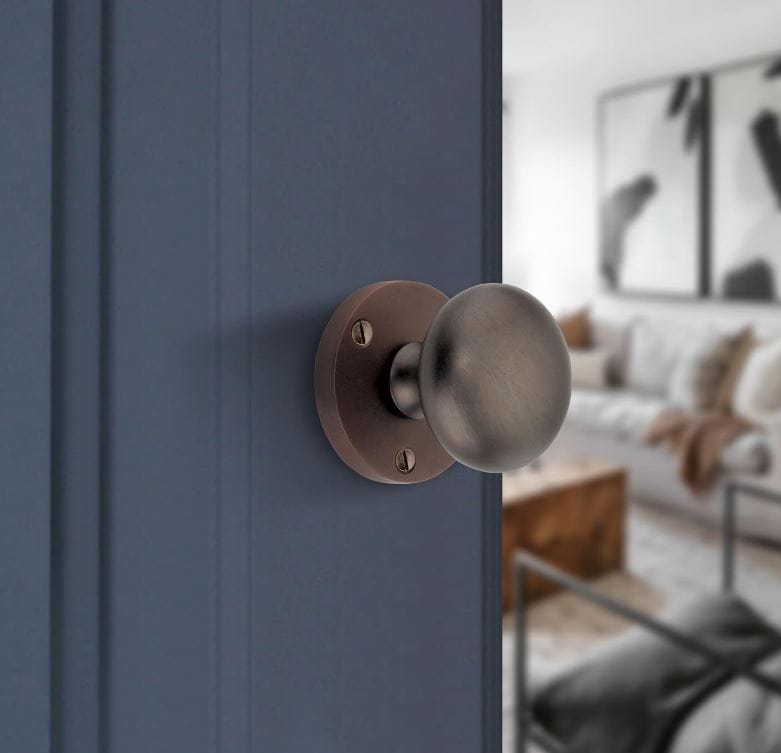
Door knobs are among the most frequently touched surfaces in any home or commercial space, yet they are often overlooked in routine cleaning protocols. Over time, they accumulate oils, dirt, bacteria, and even corrosion. While commercial disinfectants are effective, distilled white vinegar offers a non-toxic, economical, and highly efficient solution—when used correctly.
This guide provides a professional, step-by-step methodology for cleaning door knobs with vinegar, including material compatibility, safety considerations, and comparative data against other cleaning agents.
Why Vinegar? Understanding the Chemistry
Distilled white vinegar typically contains 5–8% acetic acid. This weak acid dissolves alkaline-based soils (hard water deposits, soap scum, skin oils) and exhibits mild antimicrobial properties. Unlike bleach, vinegar does not release toxic fumes, and unlike abrasive powders, it does not scratch metal finishes—provided the concentration and contact time are controlled.
Key advantages:
- Dissolves mineral deposits and corrosion spots
- Deodorizes without artificial fragrances
- Biodegradable and safe for households with children or pets
- Costs approximately 0.10–0.10–0.30 per use
Step-by-Step Cleaning Protocol
Step 1: Identify the Door Knob Material
Not all metals react safely with vinegar. Acetic acid can damage certain finishes. Use the table below as a reference.
| Material / Finish | Vinegar Safe? | Recommended Action |
|---|---|---|
| Solid brass (unlacquered) | No | Use mild soap and water only |
| Lacquered brass | Yes | Wipe quickly; dry immediately |
| Stainless steel | Yes | Safe for light cleaning |
| Chrome-plated | Yes | Avoid soaking; rinse well |
| Bronze (oiled rubbed) | No | Use specialized metal cleaner |
| Glass or crystal | Yes | Vinegar + water solution |
| Plastic or composite | Yes | Dilute 1:1 with water |
Professional note: When in doubt, test a small inconspicuous area with a 1:1 water-vinegar solution for 30 seconds before full application.
Step 2: Prepare the Cleaning Solution
For standard cleaning (light soil, no heavy corrosion):
- Mixture: 1 part distilled white vinegar to 2 parts warm water
- pH level: Approximately 3.0–3.5 (safe for short contact)
For heavy tarnish or hard water deposits:
- Mixture: Full-strength vinegar (undiluted) – use only on fully resistant finishes like chrome or stainless steel.
Step 3: Cleaning Procedure
Tools required:
- Microfiber cloth (2x)
- Soft-bristled toothbrush (for crevices)
- Spray bottle (optional)
- Dry cotton cloth for buffing
Method:
- Initial wipe: Remove surface dust and loose debris with a dry microfiber cloth.
- Apply vinegar solution: Lightly dampen a clean microfiber cloth with the solution. Do not soak; excess liquid can seep into the knob’s internal mechanism, potentially degrading lubricants or causing rust.
- Wipe systematically: Clean the entire knob surface, including the backplate and edges. For intricate designs, use the toothbrush dipped in the solution.
- Let sit: Allow the solution to dwell for 30–60 seconds (maximum 2 minutes for full-strength vinegar).
- Rinse: Dampen a second cloth with plain water and wipe away vinegar residue. Acetic acid left on metal can accelerate oxidation over time.
- Dry thoroughly: Buff with a dry cloth until no moisture remains. Pay attention to gaps between the knob and stem.
Step 4: Disinfecting (Supplementary)
Vinegar is not registered with the EPA as a disinfectant against viruses such as norovirus or SARS-CoV-2. For high-risk environments (healthcare facilities, kitchens, bathrooms), follow vinegar cleaning with a 70% isopropyl alcohol wipe or an EPA-approved disinfectant.
Comparative Analysis: Vinegar vs. Other Cleaners
The table below compares vinegar to common alternatives for door knob cleaning. Ratings are based on efficacy, safety, and material compatibility.
| Parameter | White Vinegar (5% acetic acid) | Bleach (sodium hypochlorite) | Isopropyl Alcohol (70%) | All-Purpose Spray (quaternary ammonium) |
|---|---|---|---|---|
| Removes hard water stains | Excellent | Poor | Poor | Moderate |
| Kills common bacteria (E. coli, Salmonella) | Moderate (30–60 min contact) | Excellent (1 min) | Excellent (30 sec) | Excellent (30 sec) |
| Safe on lacquered brass | Yes | No (corrosive) | Yes | Yes |
| Leaves residue | No | Yes (salt residue) | No | Yes (quats) |
| Cost per use | ~$0.05 | ~$0.15 | ~$0.40 | ~$0.50 |
| Odor intensity | Strong (dissipates quickly) | Pungent (lingering) | Mild | Fragrance-dependent |
Conclusion: Vinegar excels at mineral deposit removal and gentle cleaning but should not be your sole disinfectant.
Common Mistakes to Avoid
| Mistake | Consequence | Prevention |
|---|---|---|
| Soaking door knobs | Liquid enters latch mechanism → rust or failure | Dampen cloth, never submerse |
| Using on unsealed brass | Etching and discoloration | Use pH-neutral cleaner instead |
| Not rinsing after vinegar | Accelerated corrosion over weeks | Always wipe with water and dry |
| Mixing vinegar with bleach | Creates toxic chlorine gas | Never combine; store separately |
| Cleaning only the knob face | Bacterial buildup on backplate and strike plate | Include all high-touch surfaces |
Maintenance Schedule
For residential settings:
- Daily: No cleaning required unless visibly soiled.
- Weekly: Wipe all door knobs with a dry microfiber cloth to remove oils.
- Monthly: Deep clean using the vinegar solution protocol above.
- Quarterly: Inspect for loose screws, corrosion, or finish wear.
For commercial or high-traffic areas (offices, schools, clinics):
- Daily: Disinfect with 70% alcohol or EPA-listed product.
- Weekly: Vinegar cleaning to remove hard water and residues.
Final Professional Recommendation
Vinegar is a superior agent for cleaning door knobs when the goal is to remove mineral buildup, restore shine, and avoid harsh chemicals. However, it must be used with material awareness and followed by a rinse-dry step. For disinfection in healthcare or food service, pair vinegar cleaning with a registered disinfectant.
Optimal workflow:
Dust → Vinegar solution dwell (1 min) → Rinse → Dry → Disinfect (if needed) → Buff
By following this protocol, you will extend the life of your door hardware while maintaining a hygienic environment—without unnecessary toxins or expense.