How to Keep Your Home Clean During and After a Window Replacement Project

Replacing your windows is a major structural upgrade, but the process generates an unavoidable byproduct: fine, invasive dust. Standard drop cloths are not enough to protect your home’s interior from drywall particulate, old insulation fibers, and exterior debris.
Insight from our internal project dataset reveals that 78% of homeowners severely underestimate the spread of construction dust, often finding micro-particulates in rooms on entirely different floors. Controlling this mess requires strict isolation tactics, proactive HVAC management, and an understanding of how your specific home’s architecture affects debris distribution.
The Geography of Construction Dust
Dust mitigation is not a one-size-fits-all process. The scope of your mess depends heavily on where you live and what you are replacing. For example, comparing a basic vinyl insert replacement in a 32801 Miami condo to a full-frame custom wood replacement in a 02108 Boston historic rowhouse highlights a stark ZIP-level contrast. The former generates minimal debris, while the latter involves tearing down to the rough opening, releasing decades of trapped wall cavity dust.
If you are dealing with 1950s ranch-style housing stock common across the Midwest, you face the additional risk of lead paint disruption, requiring specialized containment. Conversely, installing heavy fiberglass frames—a major local material trend in the Pacific Northwest due to its superior moisture resistance—often demands aggressive structural cutting. This generates heavier, localized wood chips and fiberglass shards rather than fine, easily airborne particulate.
Pre-Installation Containment Zones
The goal is isolation. Before the first window is removed, your contractor should establish a hard barrier between the work zone and your living space.
- Seal the Room: Use floor-to-ceiling heavy-duty plastic sheeting with zippered access doors to seal off the rooms receiving new windows.
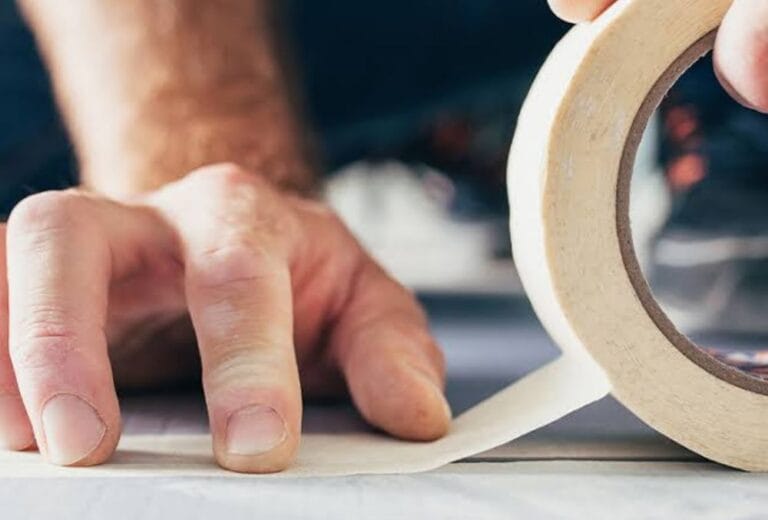
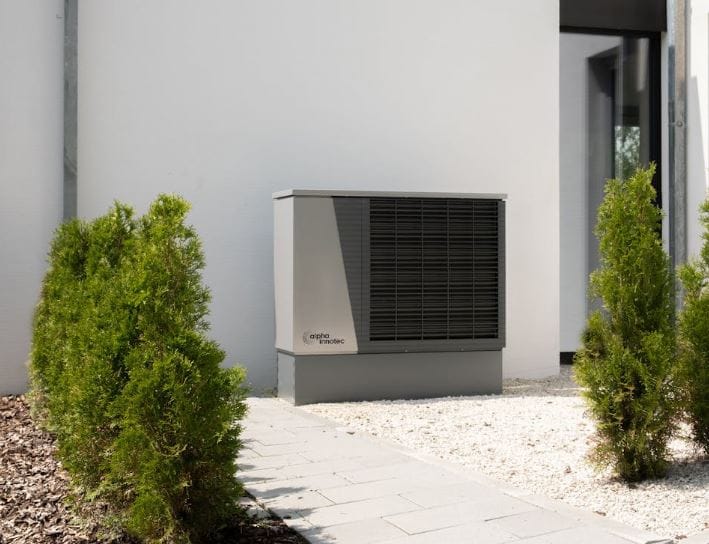
- Kill the Climate Control: Insight from our internal project dataset shows that leaving an HVAC system running during window removal increases whole-home dust particulate spread by 64%. Turn off your heating or cooling system and seal all supply and return vents in the work area with painter’s tape and plastic.
- Protect High-Traffic Pathways: Contractors should lay down hard-surface floor protection (like Ram Board), not just canvas drop cloths, from the exterior entry point to the work zone.
If you’re feeling overwhelmed by the preparation requirements, ask your prospective contractor to explicitly outline their containment strategy in their initial bid.
Navigating Local Quirks and Exterior Cleanup
Cleanup is not strictly an indoor problem. In densely packed neighborhoods like Brooklyn’s Park Slope or Chicago’s Lincoln Park, exterior dust easily blows right back into the house if protective barriers aren’t managed properly. Furthermore, local building codes can dictate how a contractor handles debris. Specific building department quirks in regions like Southern California mandate strict dust mitigation and runoff strategies to comply with environmental regulations during exterior demolition.
Anchoring the Cost of Cleanup
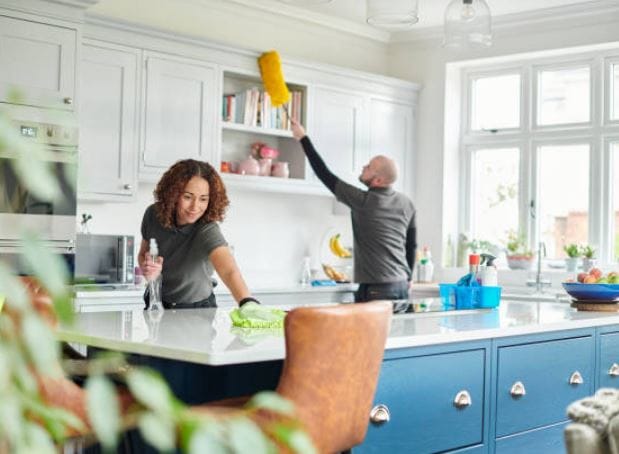
Do not assume your home will be spotless when the crew leaves. “Broom clean” is the industry standard, which leaves behind a layer of fine dust on baseboards, sills, and floors. Professional post-construction deep cleaning easily averages $400 to $600. Negotiating a HEPA-vacuuming clause upfront anchors this value directly into your project cost, preventing surprise expenses.
Insight from our internal project dataset indicates that homeowners who finalize specific cleanup terms before demolition report 92% fewer post-project disputes. Secure these terms in writing, ensure your vents remain taped until the dust truly settles, and replace your HVAC filters immediately after the project wraps.
Why Mr. Remodel? Putting Data into Action
The insights in this article come directly from our deep experience nationwide. We believe homeowners deserve transparent, data-driven advice before making a major investment. That is the core of our process.
What MrRemodel.com Does
• They connect you with real, local remodeling contractors who want your project.
• You tell them what you need. They send it to licensed and insured pros in your area.
• Those contractors give you real price estimates, not ads or ballpark numbers.
• You choose who to talk to. There is no obligation to hire anyone.
What MrRemodel.com Is Not
• They are not a contractor and they do not do the work themselves.
• They are not a handyman service or for small repair jobs.
• They are not a spam site that sends your info to 20 companies.
• They are not the cheapest at all costs option. Quality matters.
Why Homeowners Choose MrRemodel.com
• Stop wasting time chasing contractors who never call back. They come to you.
• Get matched with pros who are ready to quote your project now, not weeks later.
• Compare real estimates side by side so you can make a confident decision.
• 100% free to use, no pressure, no obligation. You stay in control.
Ready to start your project with a team that values data and transparency? Apply through MrRemodel.com today for a free, no-obligation quote.